Department of Pharmacology, University of Ruhuna, Matara, Sri Lanka.
J Med Toxicol. 2011 Dec;7(4):277-80. doi: 10.1007/s13181-011-0173-3.
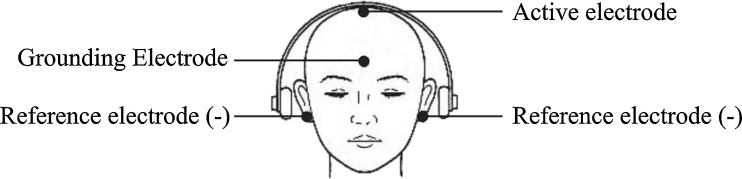
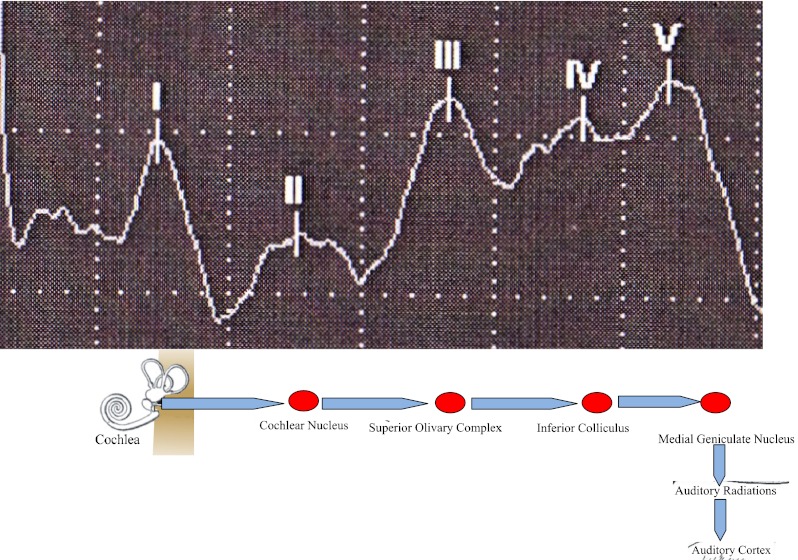
Organophosphate (OP) and paraquat (PQ) ingestion is a serious health problem. A common pathology behind OP or PQ poisoning is the generation of reactive oxygen species (ROS) which is known to cause ototoxicity. The aim of the study was to identify the effects of deliberate ingestion of OP or PQ on brain stem auditory-evoked potentials (BAEPs). Consecutive patients with deliberate self-poisoning with OP or PQ who were admitted to a secondary and a tertiary care hospital in the Southern province of Sri Lanka and matched controls were recruited. BAEPs were performed at 1 week (first assessment) and 6 weeks (second assessment) after the exposure. Interpeak latencies of I-III, III-V, and I-V were measured. There were 70 and 28 patients in the OP and PQ arms with the mean age of 32 ± 12 and 29 ± 12 years, respectively. There were 70 controls and their mean age was 33 ± 12 years. In OP and PQ poisoning, 53/70 and 18/28 came for the second assessment, respectively. The interpeak latency was not statistically different in the controls vs the first assessment, controls vs the second assessment, and the first vs the second assessment. There were no significant lesions in the auditory pathway in OP or PQ poisoned patients. The generation of ROS within the perilymphatic space following the ingestion of OP or PQ may not be sufficient to cause lesions in the auditory pathway. Further studies with the assessment of auditory threshold are needed.
有机磷(OP)和百草枯(PQ)摄入是一个严重的健康问题。OP 或 PQ 中毒的常见病理是活性氧(ROS)的产生,已知其会导致耳毒性。本研究旨在确定故意摄入 OP 或 PQ 对脑干听觉诱发电位(BAEPs)的影响。连续纳入因故意自我服毒而摄入 OP 或 PQ 的患者,这些患者被收入斯里兰卡南部的一家二级和一家三级医院,并与对照组相匹配。在接触后 1 周(第一次评估)和 6 周(第二次评估)进行 BAEPs 检查。测量 I-III、III-V 和 I-V 波间潜伏期。OP 组和 PQ 组分别有 70 例和 28 例患者,平均年龄分别为 32±12 岁和 29±12 岁。对照组有 70 例,平均年龄为 33±12 岁。OP 和 PQ 中毒组中,分别有 53/70 例和 18/28 例患者接受了第二次评估。对照组与第一次评估、对照组与第二次评估、第一次评估与第二次评估之间的波间潜伏期均无统计学差异。OP 或 PQ 中毒患者的听觉通路未发现明显病变。在摄入 OP 或 PQ 后,外淋巴液空间中 ROS 的产生可能不足以导致听觉通路的病变。需要进一步的研究,以评估听觉阈值。