Kleemann Robert, Bureeva Svetlana, Perlina Ally, Kaput Jim, Verschuren Lars, Wielinga Peter Y, Hurt-Camejo Eva, Nikolsky Yuri, van Ommen Ben, Kooistra Teake
Metabolic Health Research, TNO, Zernikedreef 9, Leiden, The Netherlands.
BMC Syst Biol. 2011 Aug 12;5:125. doi: 10.1186/1752-0509-5-125.
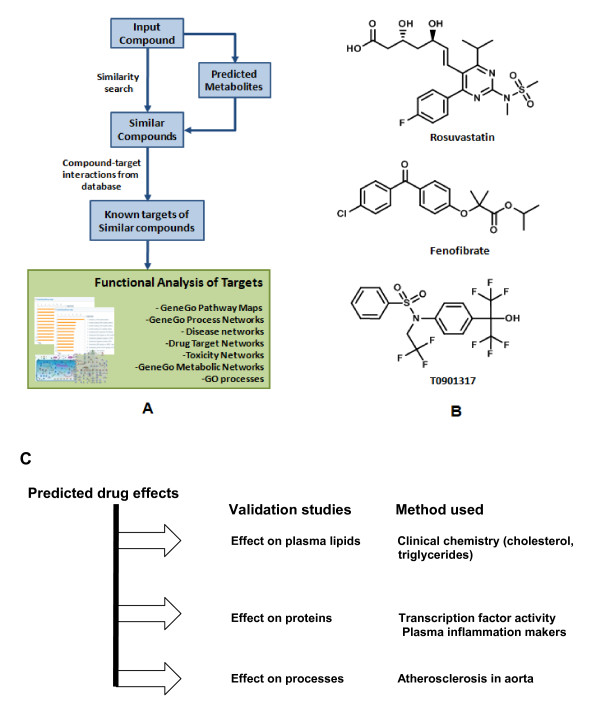
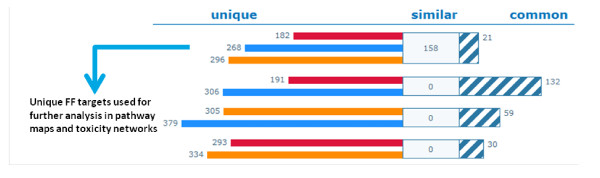
Successful drug development has been hampered by a limited understanding of how to translate laboratory-based biological discoveries into safe and effective medicines. We have developed a generic method for predicting the effects of drugs on biological processes. Information derived from the chemical structure and experimental omics data from short-term efficacy studies are combined to predict the possible protein targets and cellular pathways affected by drugs.
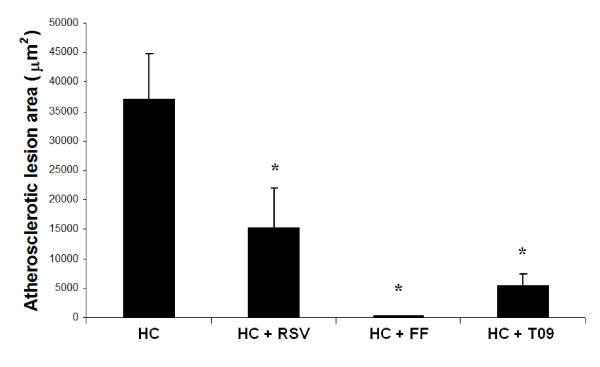
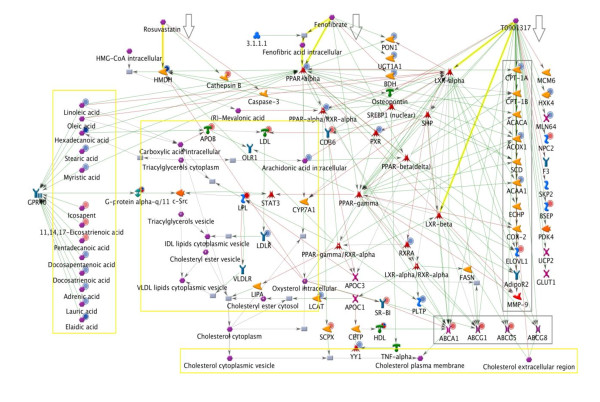
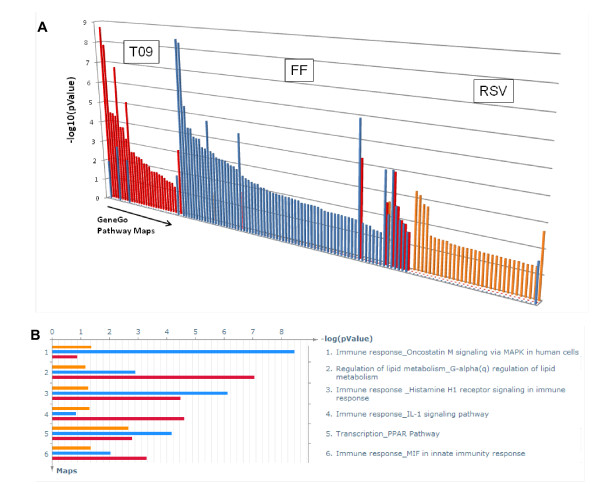
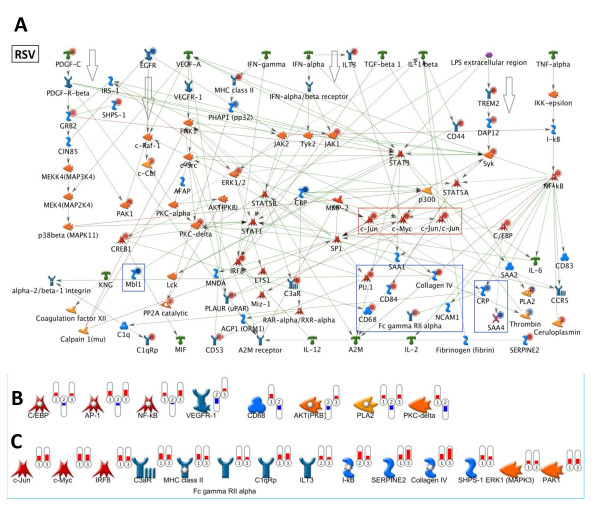
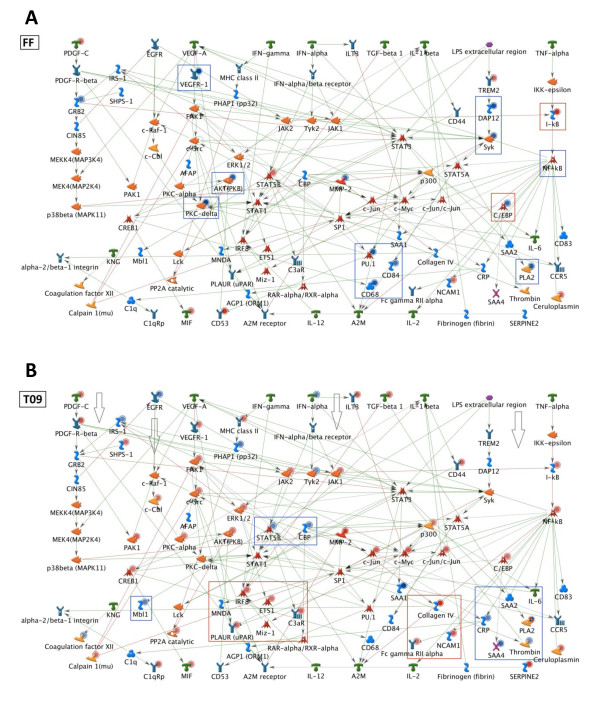
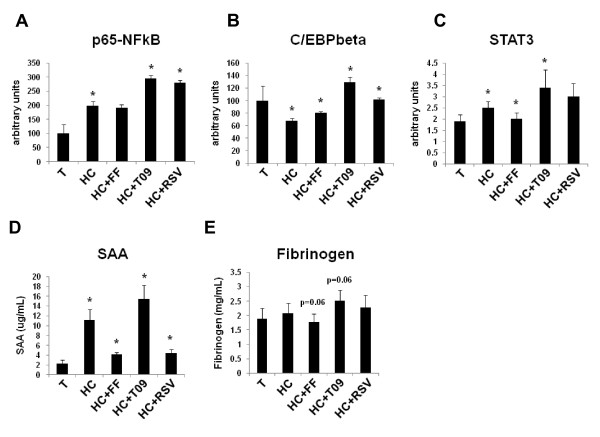
Validation of the method with anti-atherosclerotic compounds (fenofibrate, rosuvastatin, LXR activator T0901317) demonstrated a great conformity between the computationally predicted effects and the wet-lab biochemical effects. Comparative genome-wide pathway mapping revealed that the biological drug effects were realized largely via different pathways and mechanisms. In line with the predictions, the drugs showed differential effects on inflammatory pathways (downstream of PDGF, VEGF, IFNγ, TGFβ, IL1β, TNFα, LPS), transcriptional regulators (NFκB, C/EBP, STAT3, AP-1) and enzymes (PKCδ, AKT, PLA2), and they quenched different aspects of the inflammatory signaling cascade. Fenofibrate, the compound predicted to be most efficacious in inhibiting early processes of atherosclerosis, had the strongest effect on early lesion development.
Our approach provides mechanistic rationales for the differential and common effects of drugs and may help to better understand the origins of drug actions and the design of combination therapies.
由于对如何将基于实验室的生物学发现转化为安全有效的药物的理解有限,成功的药物开发受到了阻碍。我们开发了一种预测药物对生物过程影响的通用方法。将来自化学结构的信息与短期疗效研究中的实验组学数据相结合,以预测受药物影响的可能的蛋白质靶点和细胞途径。
用抗动脉粥样硬化化合物(非诺贝特、瑞舒伐他汀、LXR激活剂T0901317)对该方法进行验证,结果表明计算预测的效应与湿实验室生化效应之间具有高度一致性。全基因组途径比较图谱显示,生物药物效应主要通过不同的途径和机制实现。与预测一致,这些药物对炎症途径(PDGF、VEGF、IFNγ、TGFβ、IL1β、TNFα、LPS的下游)、转录调节因子(NFκB、C/EBP、STAT3、AP-1)和酶(PKCδ、AKT、PLA2)表现出不同的作用,并且它们抑制了炎症信号级联反应的不同方面。非诺贝特是预测在抑制动脉粥样硬化早期过程中最有效的化合物,对早期病变发展的影响最强。
我们的方法为药物的差异和共同作用提供了机制依据,可能有助于更好地理解药物作用的起源和联合疗法的设计。