Zu Yuangang, Wang Dan, Zhao Xiuhua, Jiang Ru, Zhang Qi, Zhao Dongmei, Li Yong, Zu Baishi, Sun Zhiqiang
Key Laboratory of Forest Plant Ecology, Northeast Forestry University, Ministry of Education, Harbin 150040, China; E-Mails:
Int J Mol Sci. 2011;12(7):4237-49. doi: 10.3390/ijms12074237. Epub 2011 Jun 28.
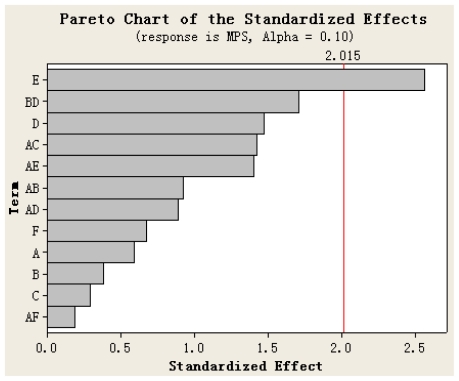
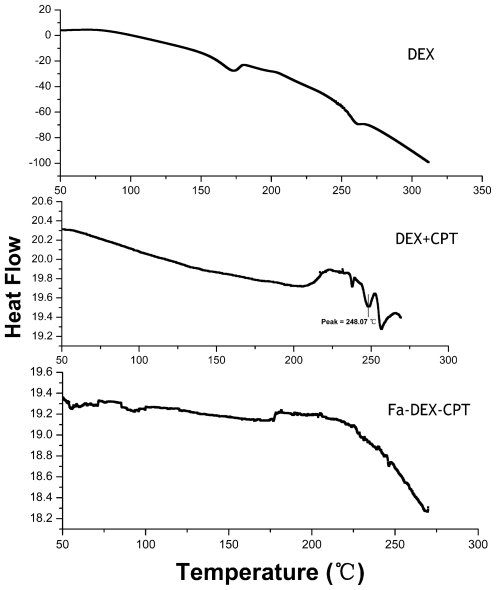
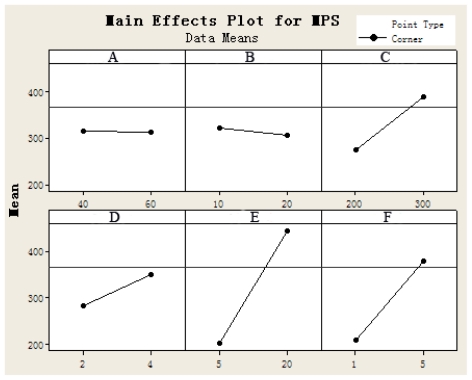
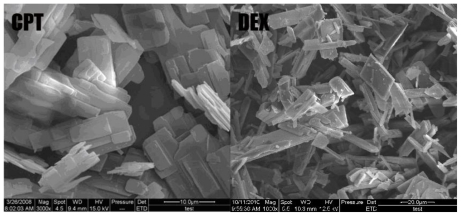
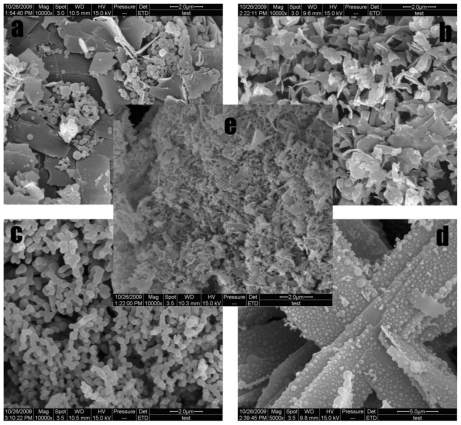
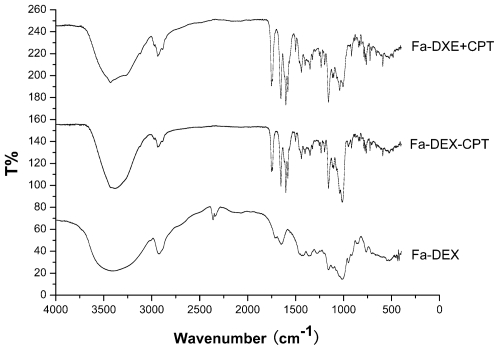
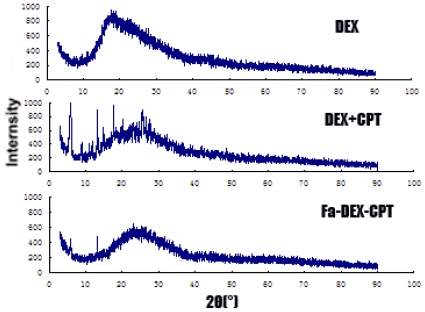
In this study, folic-dextran-camptothecin (Fa-DEX-CPT) tumor-targeted nanoparticles were produced with a supercritical antisolvent (SAS) technique by using dimethyl sulfoxide (DMSO) as a solvent and carbon dioxide as an antisolvent. A factorial design was used to reveal the effect of various process parameters on the mean particle size (MPS) and morphology of the particles formed. Under the optimum operation conditions, Fa-DEX-CPT nanoparticles with a MPS of 182.21 nm were obtained. Drug encapsulation efficiency and loading efficiency were 62.13% and 36.12%, respectively. It was found that the concentrations of the camptothecin (CPT) and dextran solution had a major influence upon morphology and shape of the final product. In addition, the samples were characterized by Scanning electron microscopy (SEM), Fourier transform infrared spectroscopy (FT-IR), Differential scanning calorimetry (DSC) and X-ray diffraction (XRD) with the purpose of developing a suitable targeted drug delivery system for cancer chemotherapy.
在本研究中,采用超临界抗溶剂(SAS)技术,以二甲基亚砜(DMSO)为溶剂、二氧化碳为抗溶剂,制备了叶酸-葡聚糖-喜树碱(Fa-DEX-CPT)肿瘤靶向纳米粒子。采用析因设计来揭示各种工艺参数对所形成颗粒的平均粒径(MPS)和形态的影响。在最佳操作条件下,获得了平均粒径为182.21 nm的Fa-DEX-CPT纳米粒子。药物包封率和载药率分别为62.13%和36.12%。发现喜树碱(CPT)和葡聚糖溶液的浓度对最终产物的形态和形状有重大影响。此外,通过扫描电子显微镜(SEM)、傅里叶变换红外光谱(FT-IR)、差示扫描量热法(DSC)和X射线衍射(XRD)对样品进行表征,旨在开发一种适用于癌症化疗的靶向给药系统。