Division of Cell and Molecular Biology, Department of Biology, Boston University, Boston, Massachusetts, United States of America.
PLoS One. 2011;6(8):e23506. doi: 10.1371/journal.pone.0023506. Epub 2011 Aug 12.
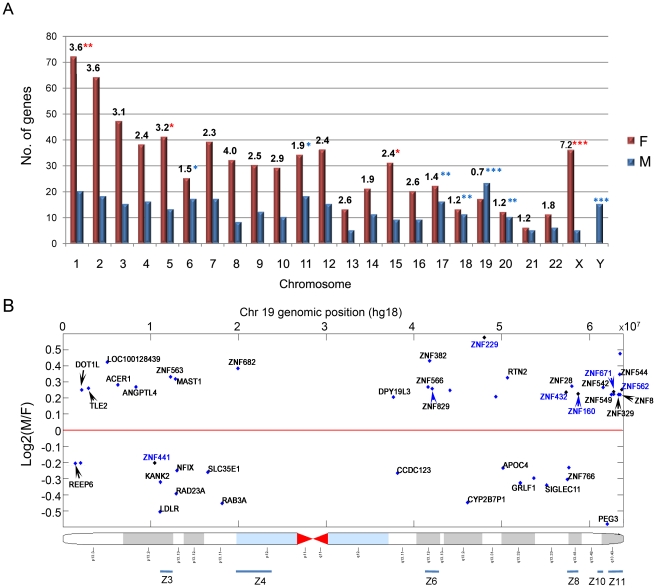
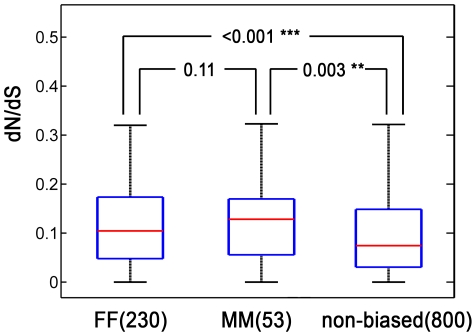
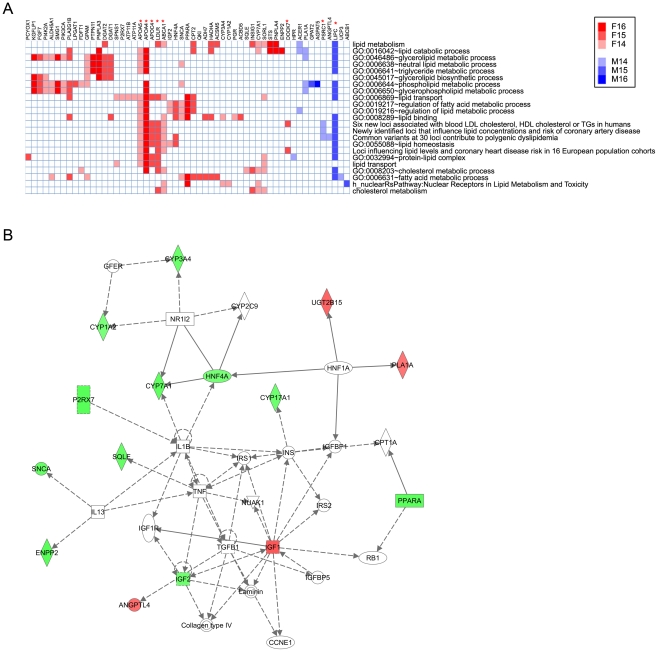
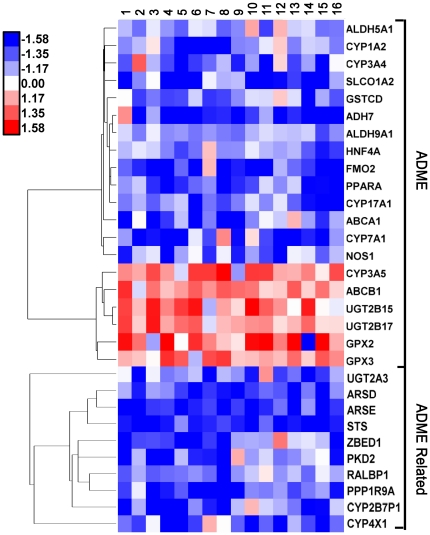
Sex-differences in human liver gene expression were characterized on a genome-wide scale using a large liver sample collection, allowing for detection of small expression differences with high statistical power. 1,249 sex-biased genes were identified, 70% showing higher expression in females. Chromosomal bias was apparent, with female-biased genes enriched on chrX and male-biased genes enriched on chrY and chr19, where 11 male-biased zinc-finger KRAB-repressor domain genes are distributed in six clusters. Top biological functions and diseases significantly enriched in sex-biased genes include transcription, chromatin organization and modification, sexual reproduction, lipid metabolism and cardiovascular disease. Notably, sex-biased genes are enriched at loci associated with polygenic dyslipidemia and coronary artery disease in genome-wide association studies. Moreover, of the 8 sex-biased genes at these loci, 4 have been directly linked to monogenic disorders of lipid metabolism and show an expression profile in females (elevated expression of ABCA1, APOA5 and LDLR; reduced expression of LIPC) that is consistent with the lower female risk of coronary artery disease. Female-biased expression was also observed for CYP7A1, which is activated by drugs used to treat hypercholesterolemia. Several sex-biased drug-metabolizing enzyme genes were identified, including members of the CYP, UGT, GPX and ALDH families. Half of 879 mouse orthologs, including many genes of lipid metabolism and homeostasis, show growth hormone-regulated sex-biased expression in mouse liver, suggesting growth hormone might play a similar regulatory role in human liver. Finally, the evolutionary rate of protein coding regions for human-mouse orthologs, revealed by dN/dS ratio, is significantly higher for genes showing the same sex-bias in both species than for non-sex-biased genes. These findings establish that human hepatic sex differences are widespread and affect diverse cell metabolic processes, and may help explain sex differences in lipid profiles associated with sex differential risk of coronary artery disease.
采用大规模肝组织样本库,在全基因组范围内对人类肝脏基因表达的性别差异进行了研究,从而能够以高统计学功效检测到微小的表达差异。鉴定出 1,249 个性别偏倚基因,其中 70%在女性中表达更高。染色体偏倚明显,女性偏倚基因在 chrX 上富集,男性偏倚基因在 chrY 和 chr19 上富集,其中 11 个男性偏倚锌指 KRAB 抑制域基因分布在 6 个簇中。在性别偏倚基因中显著富集的生物学功能和疾病包括转录、染色质组织和修饰、有性生殖、脂质代谢和心血管疾病。值得注意的是,性别偏倚基因在全基因组关联研究中与多基因血脂异常和冠状动脉疾病相关的基因座上富集。此外,在这些基因座上的 8 个性别偏倚基因中,有 4 个已被直接与脂质代谢的单基因疾病相关联,并且在女性中表现出与较低的冠状动脉疾病风险一致的表达谱(ABCA1、APOA5 和 LDLR 的表达升高;LIPC 的表达降低)。CYP7A1 的表达也表现出女性偏倚,CYP7A1 被用于治疗高胆固醇血症的药物所激活。鉴定出多个性别偏倚的药物代谢酶基因,包括 CYP、UGT、GPX 和 ALDH 家族的成员。在小鼠肝脏中,包括许多脂质代谢和稳态相关基因在内的 879 个小鼠直系同源物的一半,显示生长激素调控的性别偏倚表达,表明生长激素可能在人类肝脏中发挥类似的调节作用。最后,通过 dN/dS 比揭示的人类-小鼠直系同源物的蛋白质编码区进化率,在两种物种中表现出相同性别偏倚的基因比非性别偏倚基因显著更高。这些发现表明,人类肝脏的性别差异是广泛存在的,影响多种细胞代谢过程,并且可能有助于解释与冠状动脉疾病风险差异相关的脂质谱的性别差异。