Department of Surgery, Memorial Hospital, New York, New York, USA.
Nat Med. 2011 Aug 28;17(9):1094-100. doi: 10.1038/nm.2438.
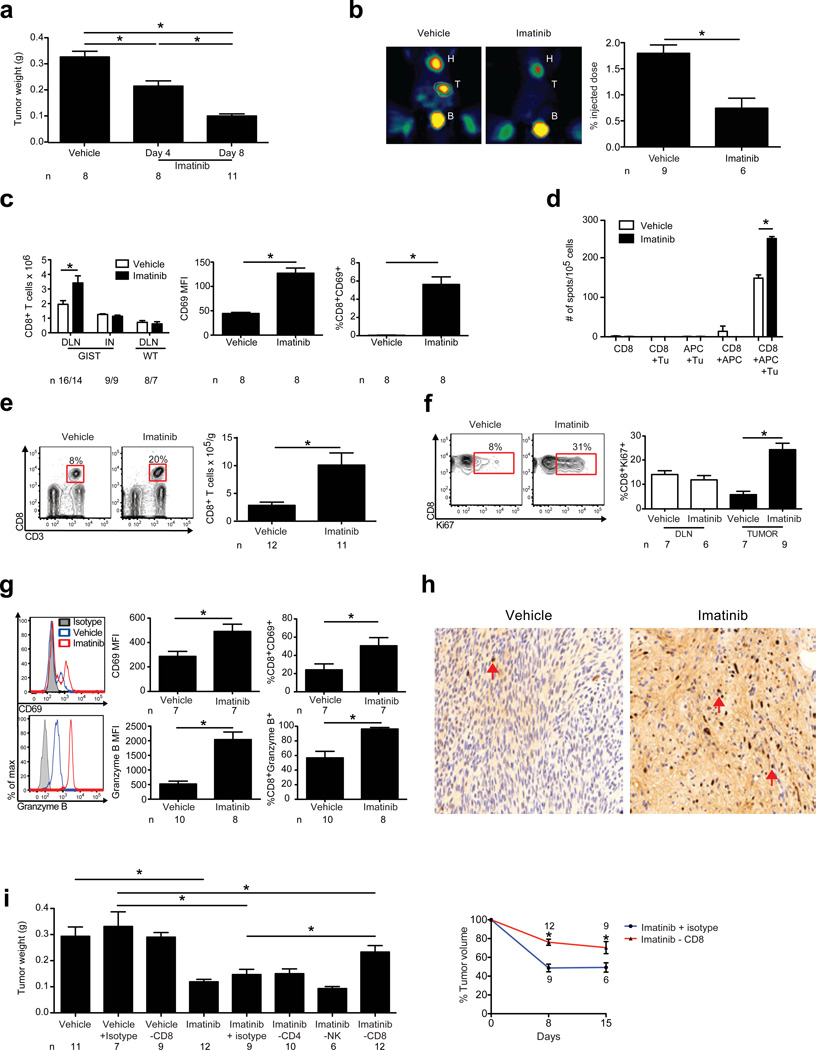
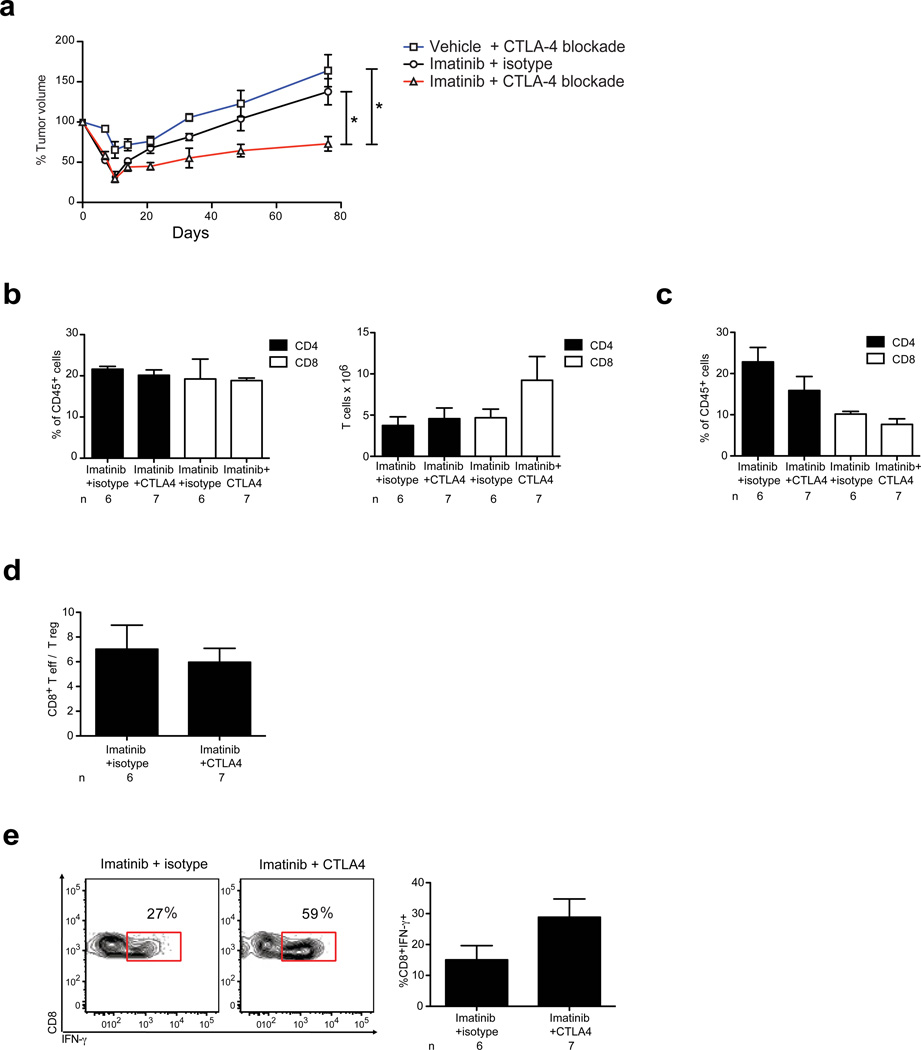
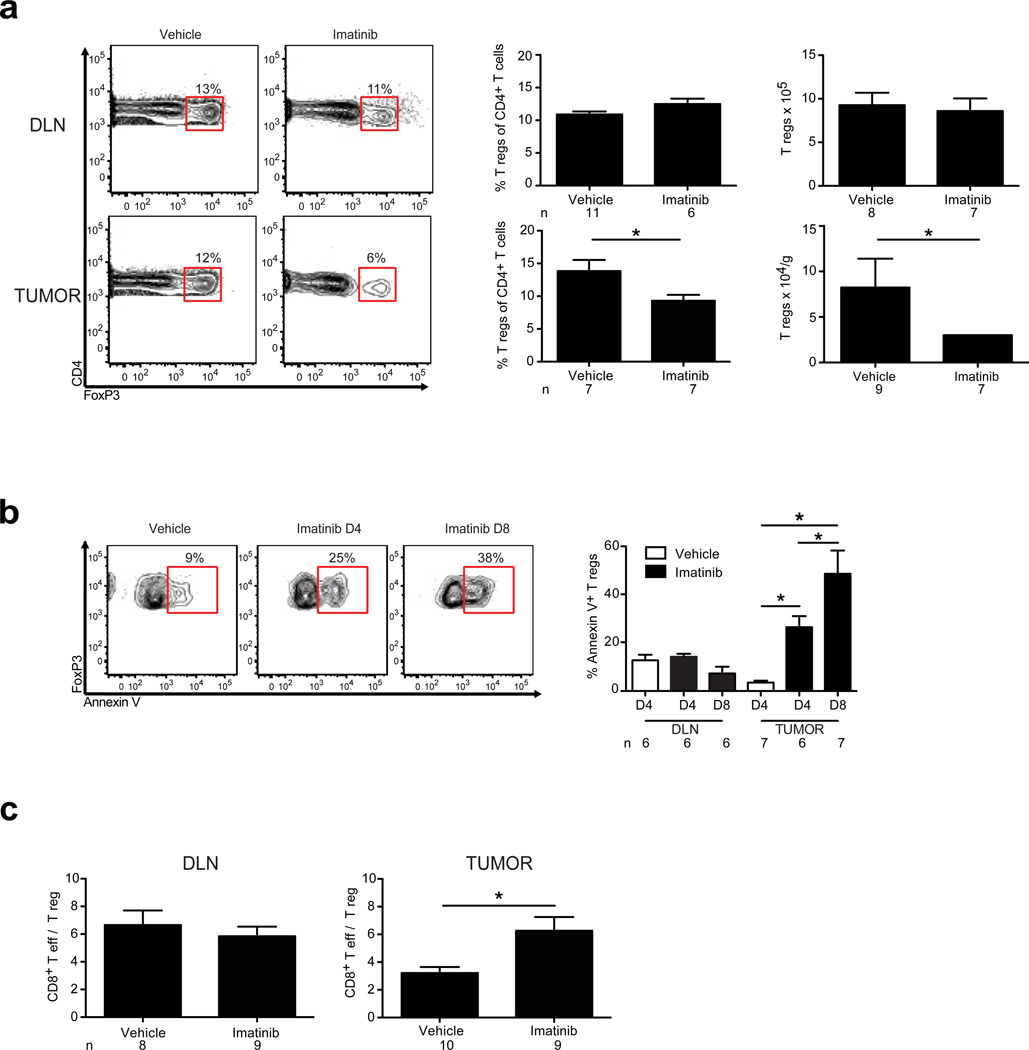
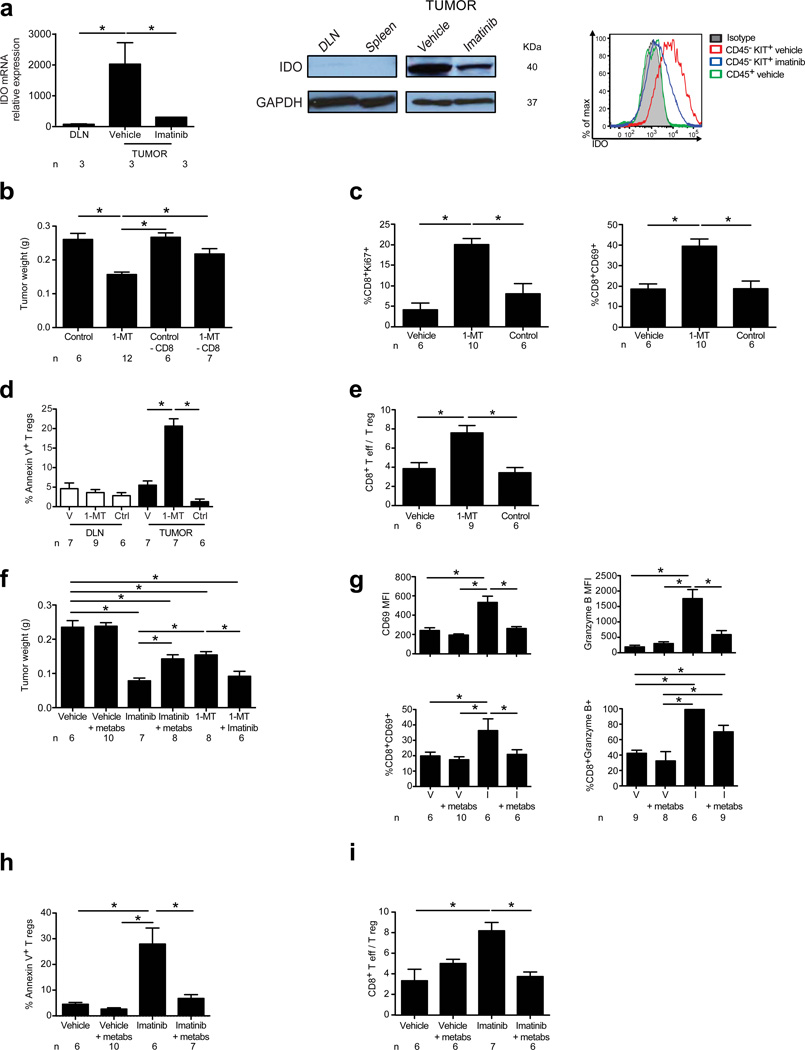
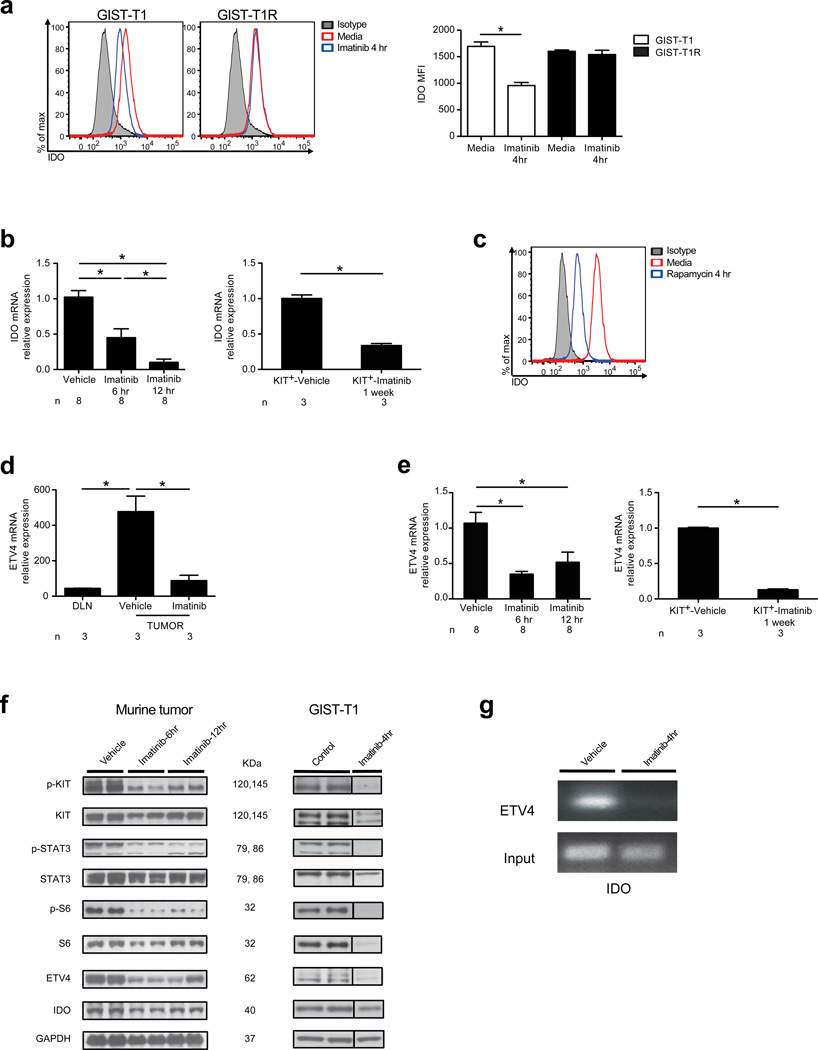
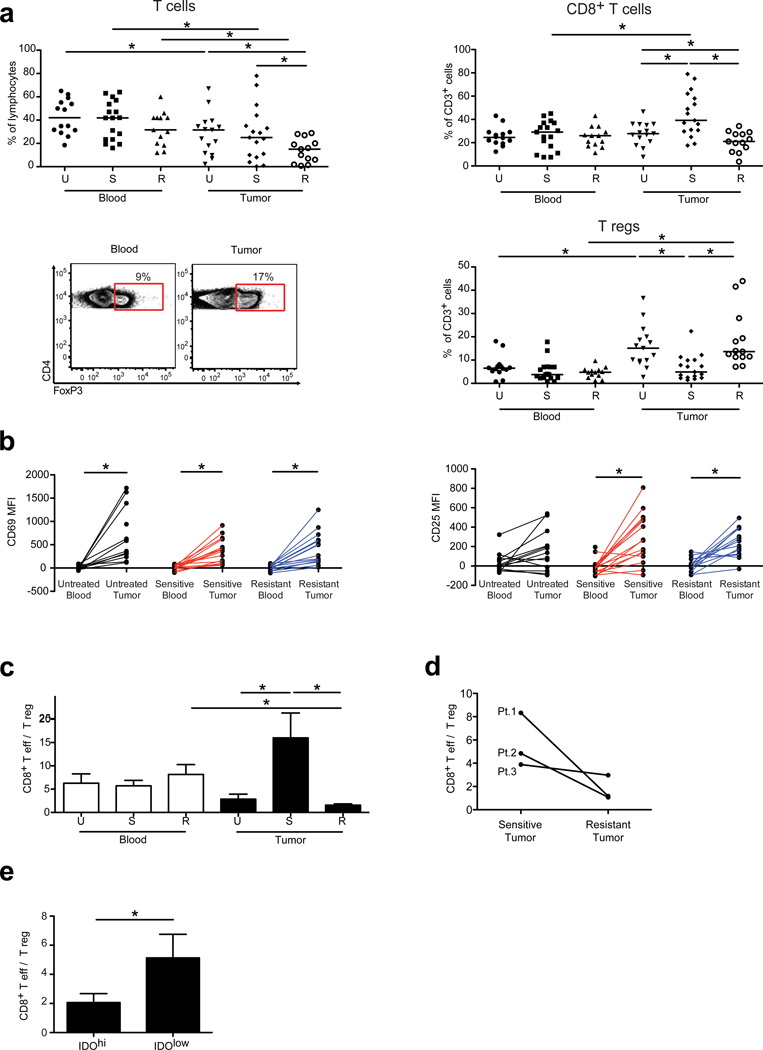
Imatinib mesylate targets mutated KIT oncoproteins in gastrointestinal stromal tumor (GIST) and produces a clinical response in 80% of patients. The mechanism is believed to depend predominantly on the inhibition of KIT-driven signals for tumor-cell survival and proliferation. Using a mouse model of spontaneous GIST, we found that the immune system contributes substantially to the antitumor effects of imatinib. Imatinib therapy activated CD8(+) T cells and induced regulatory T cell (T(reg) cell) apoptosis within the tumor by reducing tumor-cell expression of the immunosuppressive enzyme indoleamine 2,3-dioxygenase (Ido). Concurrent immunotherapy augmented the efficacy of imatinib in mouse GIST. In freshly obtained human GIST specimens, the T cell profile correlated with imatinib sensitivity and IDO expression. Thus, T cells are crucial to the antitumor effects of imatinib in GIST, and concomitant immunotherapy may further improve outcomes in human cancers treated with targeted agents.
甲磺酸伊马替尼针对胃肠道间质肿瘤(GIST)中的突变 KIT 癌蛋白,并在 80%的患者中产生临床反应。其作用机制主要依赖于抑制 KIT 驱动的肿瘤细胞存活和增殖信号。我们使用自发性 GIST 的小鼠模型发现,免疫系统对伊马替尼的抗肿瘤作用有重要贡献。伊马替尼治疗通过降低肿瘤细胞表达免疫抑制酶吲哚胺 2,3-双加氧酶(IDO),在肿瘤内激活 CD8(+)T 细胞并诱导调节性 T 细胞(Treg 细胞)凋亡。同时进行免疫治疗增强了伊马替尼在小鼠 GIST 中的疗效。在新获得的人类 GIST 标本中,T 细胞表型与伊马替尼敏感性和 IDO 表达相关。因此,T 细胞对于 GIST 中伊马替尼的抗肿瘤作用至关重要,同时进行免疫治疗可能会进一步改善靶向药物治疗的人类癌症的预后。