Dept. Animal Biol. and Ecology, Univ. of Cagliari, Italy.
Curr Neuropharmacol. 2011 Mar;9(1):200-4. doi: 10.2174/157015911795017083.
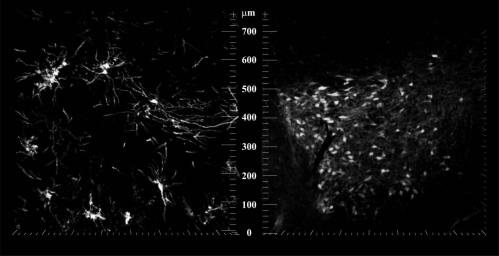
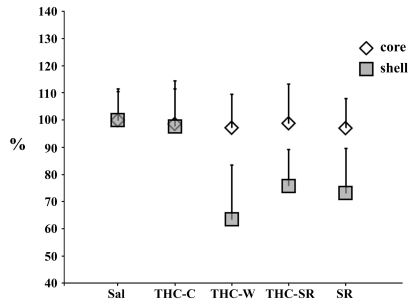
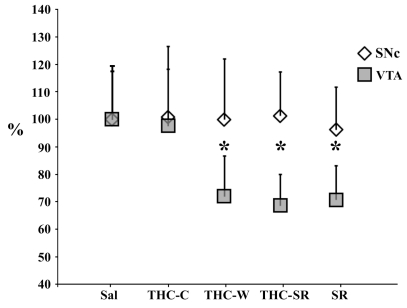
To explore the functional consequences of cannabinoid withdrawal in the rat mesolimbic dopamine system, we investigated the anatomical morphology of the mesencephalic, presumed dopaminergic, neurons and their main post-synaptic target in the Nucleus Accumbens. We found that TH-positive neurons shrink and Golgi-stained medium spiny neurons loose dendritic spines in withdrawal rats after chronic cannabinoids administration. Similar results were observed after administration of the cannabinoid antagonist rimonabant to drug-naïve rats supporting a role for endocannabinoids in neurogenesis, axonal growth and synaptogenesis. This evidence supports the tenet that withdrawal from addictive compounds alters functioning of the mesolimbic system. The data add to a growing body of work which indicates a hypodopaminergic state as a distinctive feature of the "addicted brain".
为了探究大麻素戒断在大鼠中脑边缘多巴胺系统中的功能后果,我们研究了中脑被认为是多巴胺能神经元及其在伏隔核中的主要突触后靶点的解剖形态。我们发现,在慢性大麻素给药后,TH 阳性神经元萎缩,高尔基染色的中型棘突神经元失去树突棘。在给予药物-naïve 大鼠大麻素拮抗剂利莫那班后也观察到类似的结果,这支持了内源性大麻素在神经发生、轴突生长和突触发生中的作用。这一证据支持了这样一种观点,即从成瘾性物质中戒断会改变中脑边缘系统的功能。这些数据增加了越来越多的工作,表明多巴胺能低下是“成瘾大脑”的一个显著特征。