Department of Microbiology and Molecular Genetics, University of California, Irvine, Irvine, CA 92697-4025, USA.
Wiley Interdiscip Rev RNA. 2012 Jan-Feb;3(1):1-12. doi: 10.1002/wrna.100. Epub 2011 Sep 2.
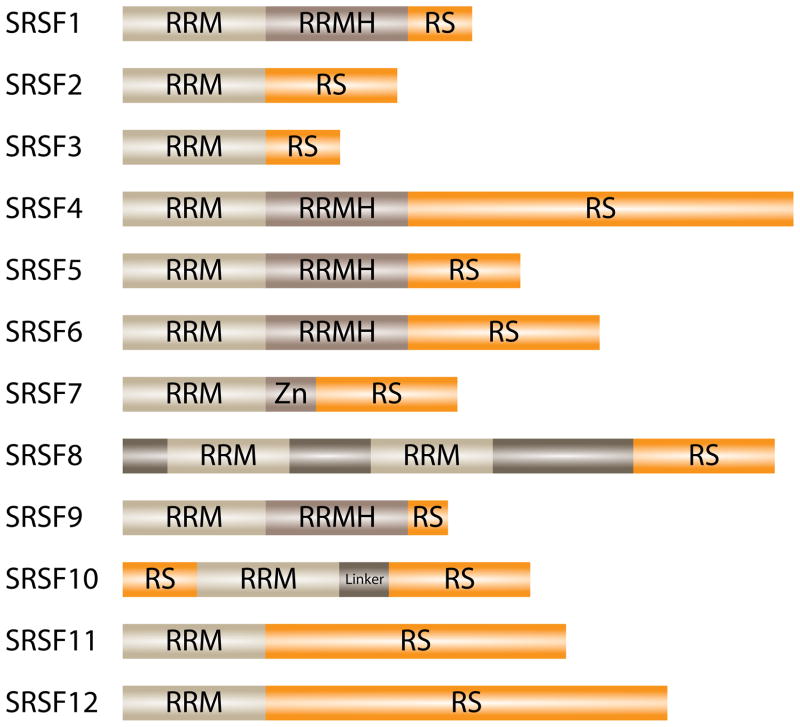
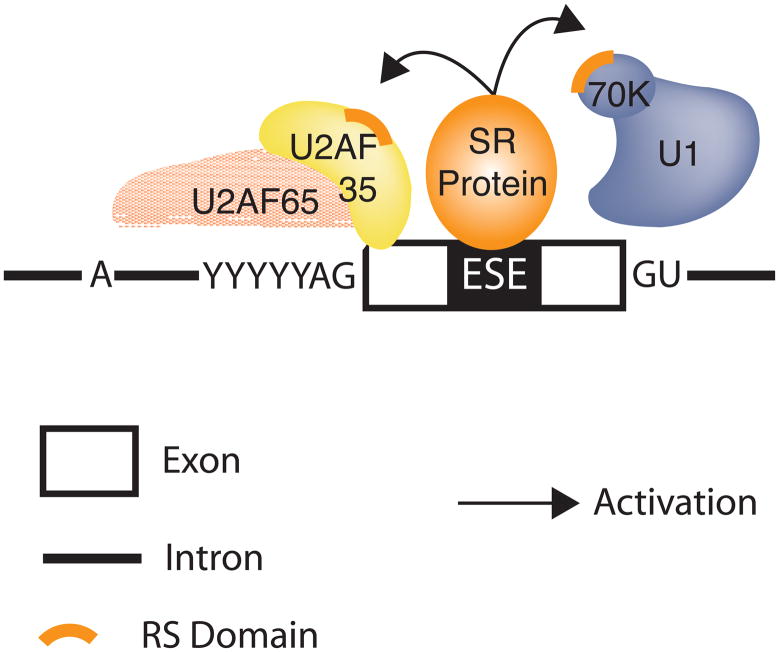
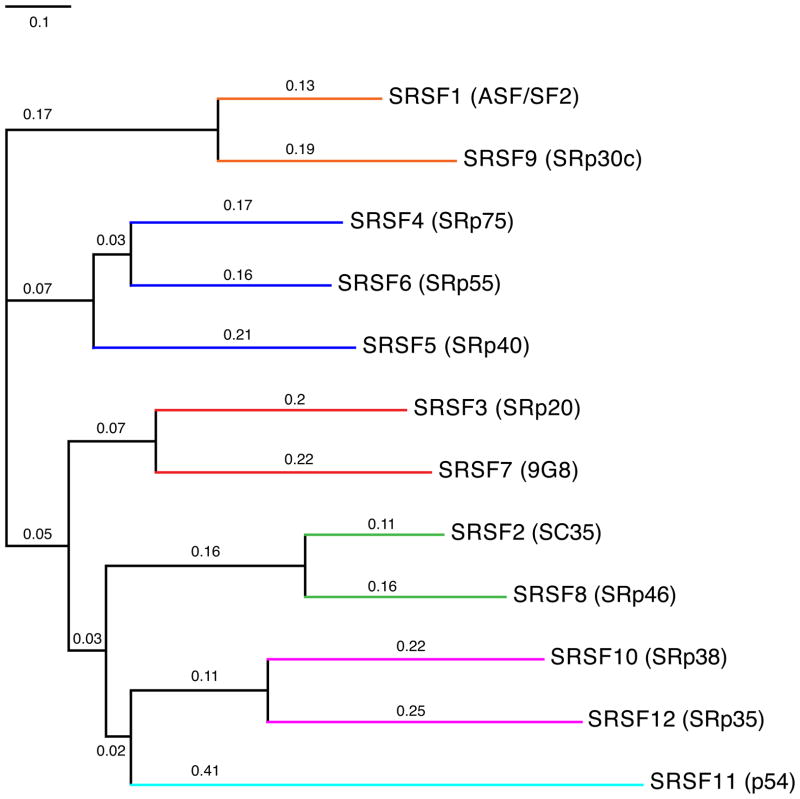
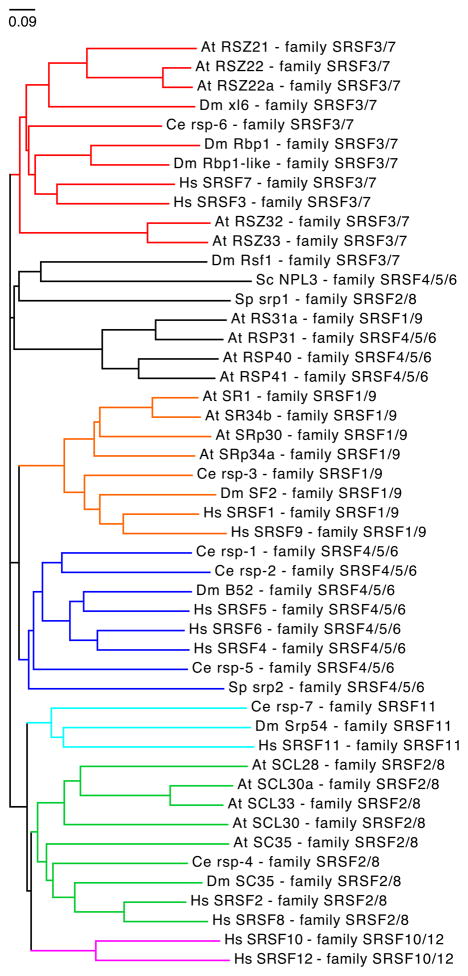
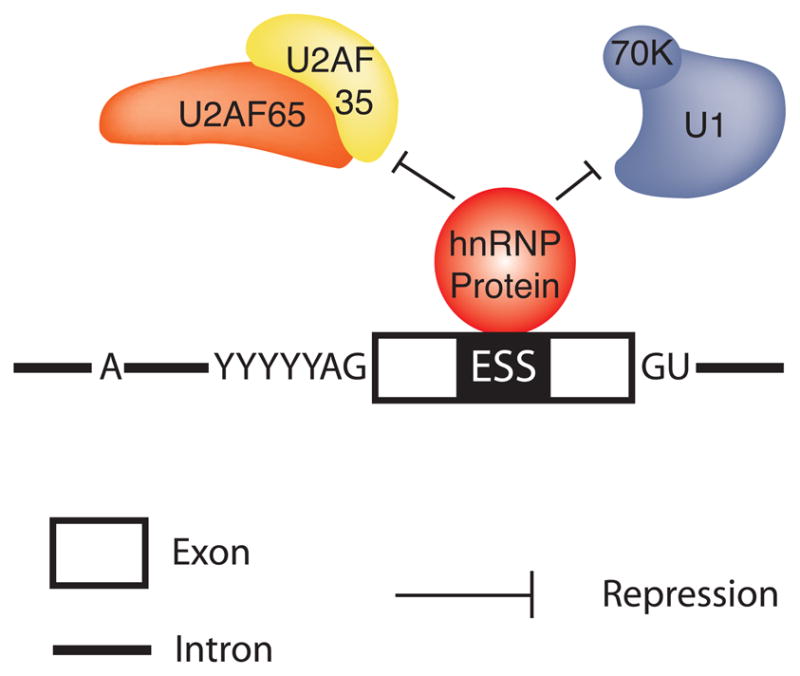
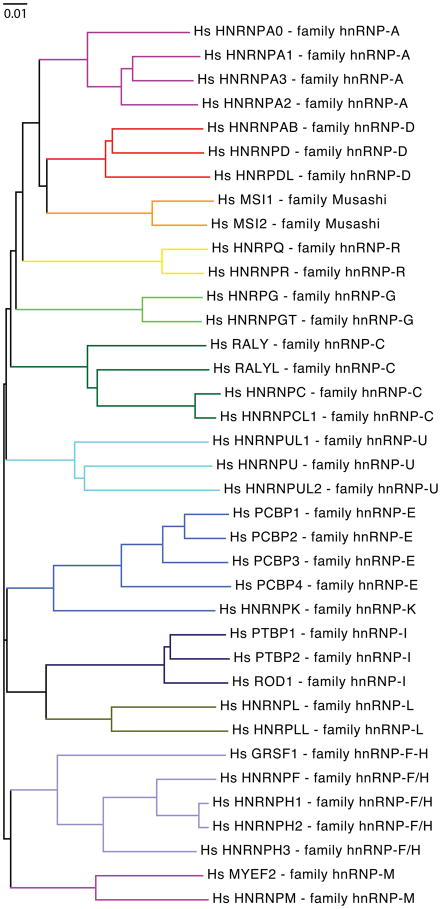
The splicing of pre-mRNAs is an essential step of gene expression in eukaryotes. Introns are removed from split genes through the activities of the spliceosome, a large ribonuclear machine that is conserved throughout the eukaryotic lineage. While unicellular eukaryotes are characterized by less complex splicing, pre-mRNA splicing of multicellular organisms is often associated with extensive alternative splicing that significantly enriches their proteome. The alternative selection of splice sites and exons permits multicellular organisms to modulate gene expression patterns in a cell type-specific fashion, thus contributing to their functional diversification. Alternative splicing is a regulated process that is mainly influenced by the activities of splicing regulators, such as SR proteins or hnRNPs. These modular factors have evolved from a common ancestor through gene duplication events to a diverse group of splicing regulators that mediate exon recognition through their sequence-specific binding to pre-mRNAs. Given the strong correlations between intron expansion, the complexity of pre-mRNA splicing, and the emergence of splicing regulators, it is argued that the increased presence of SR and hnRNP proteins promoted the evolution of alternative splicing through relaxation of the sequence requirements of splice junctions.
真核生物中,前体 mRNA 的剪接是基因表达的一个必要步骤。内含子通过剪接体的活性从分裂基因中被切除,剪接体是一种在整个真核生物谱系中保守的大型核糖核蛋白机器。虽然单细胞真核生物的剪接过程较为简单,但多细胞生物的前体 mRNA 剪接通常与广泛的选择性剪接有关,这显著丰富了它们的蛋白质组。剪接位点和外显子的选择性选择使多细胞生物能够以细胞类型特异性的方式调节基因表达模式,从而促进它们的功能多样化。选择性剪接是一个受调控的过程,主要受剪接调节因子(如 SR 蛋白或 hnRNPs)的活性影响。这些模块因子通过基因复制事件从一个共同的祖先进化而来,形成了一个多样化的剪接调节因子群体,通过与前体 mRNA 的序列特异性结合来介导外显子识别。鉴于内含子扩张、前体 mRNA 剪接的复杂性以及剪接调节因子的出现之间存在很强的相关性,有人认为,SR 和 hnRNP 蛋白的存在增加促进了选择性剪接的进化,因为这放宽了剪接连接点的序列要求。