Department of Vertebrate Paleontology, American Museum of Natural History, New York, New York, United States of America.
PLoS One. 2011;6(9):e24938. doi: 10.1371/journal.pone.0024938. Epub 2011 Sep 27.
The relationships of cartilaginous fishes are discussed in the light of well preserved three-dimensional Paleozoic specimens. There is no consensus to date on the interrelationship of Paleozoic chondrichthyans, although three main phylogenetic hypotheses exist in the current literature: 1. the Paleozoic shark-like chondrichthyans, such as the Symmoriiformes, are grouped along with the modern sharks (neoselachians) into a clade which is sister group of holocephalans; 2. the Symmoriiformes are related to holocephalans, whereas the other Paleozoic shark-like chondrichthyans are related to neoselachians; 3. many Paleozoic shark-like chondrichthyans, such as the Symmoriiformes, are stem chondrichthyans, whereas stem and crown holocephalans are sister group to the stem and crown neoselachians in a crown-chondrichthyan clade. This third hypothesis was proposed recently, based mainly on dental characters.
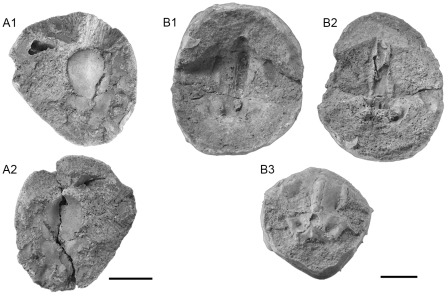
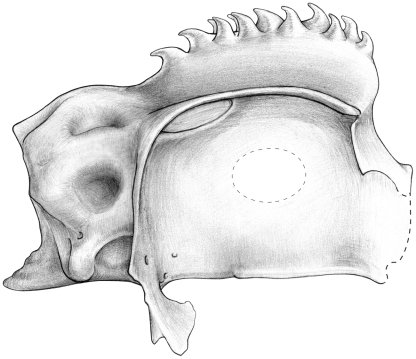
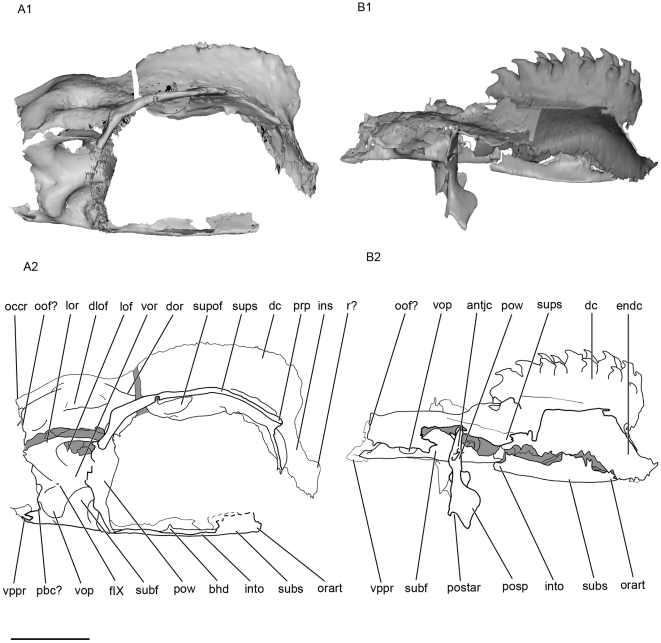
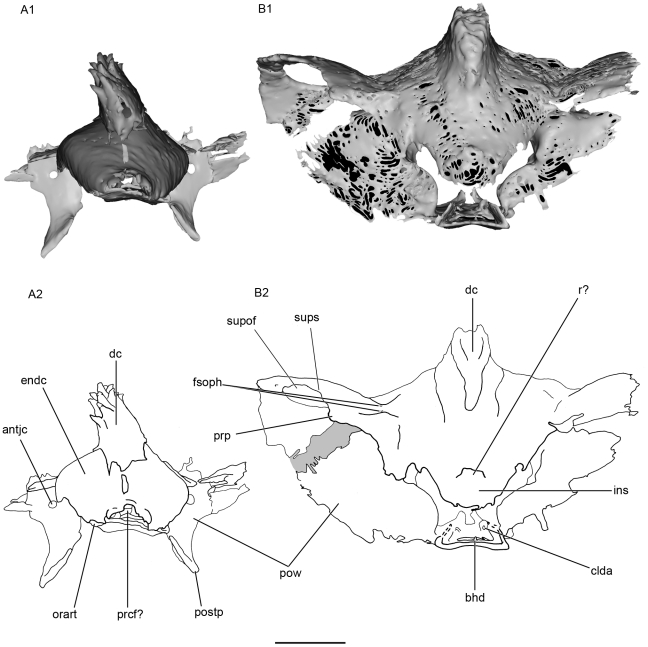
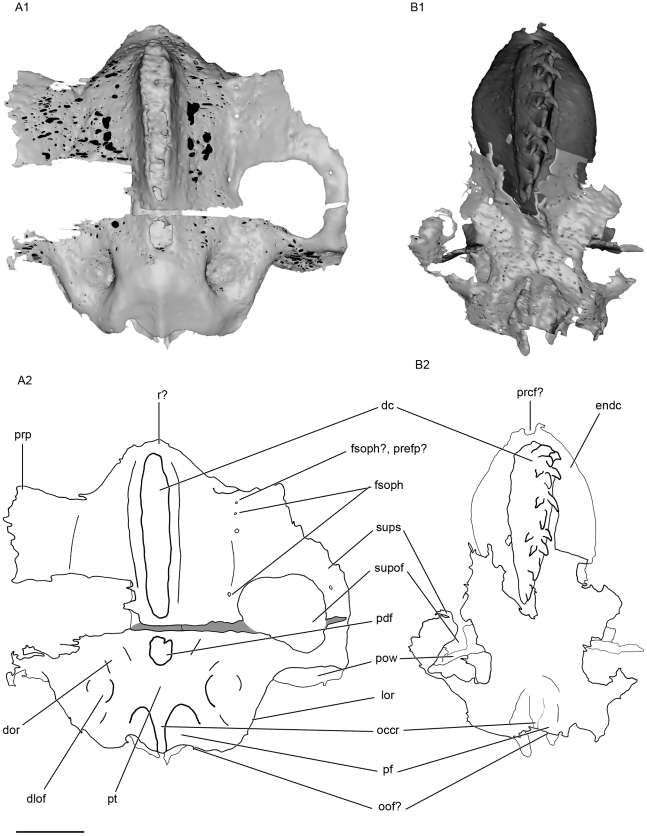
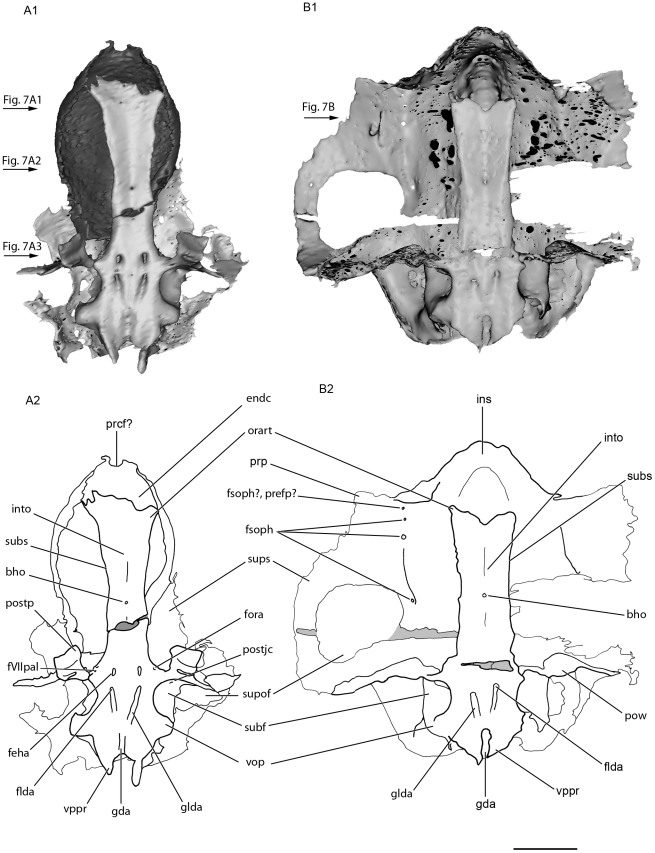
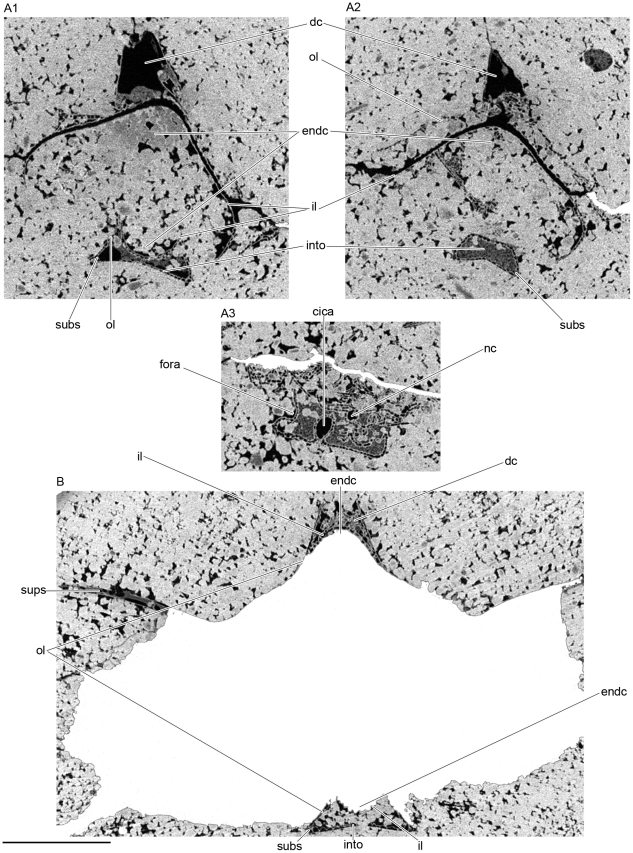
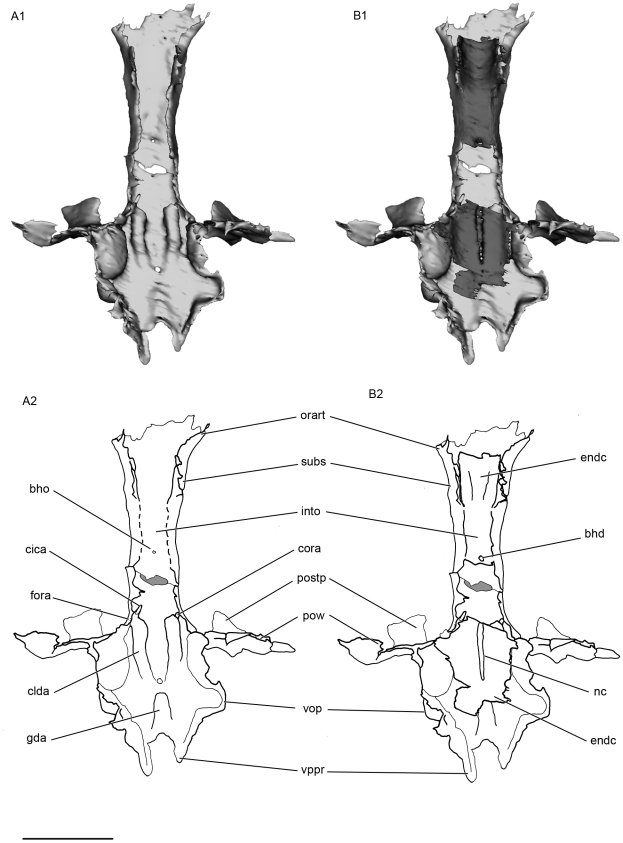
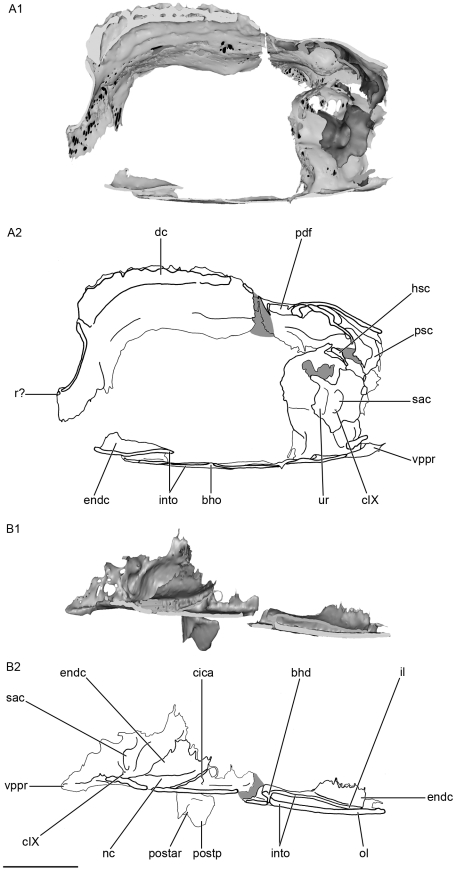
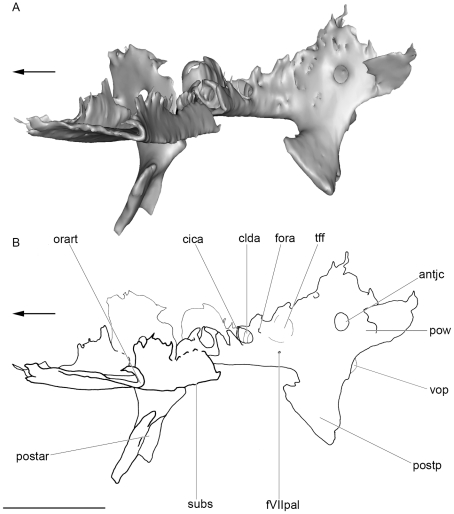
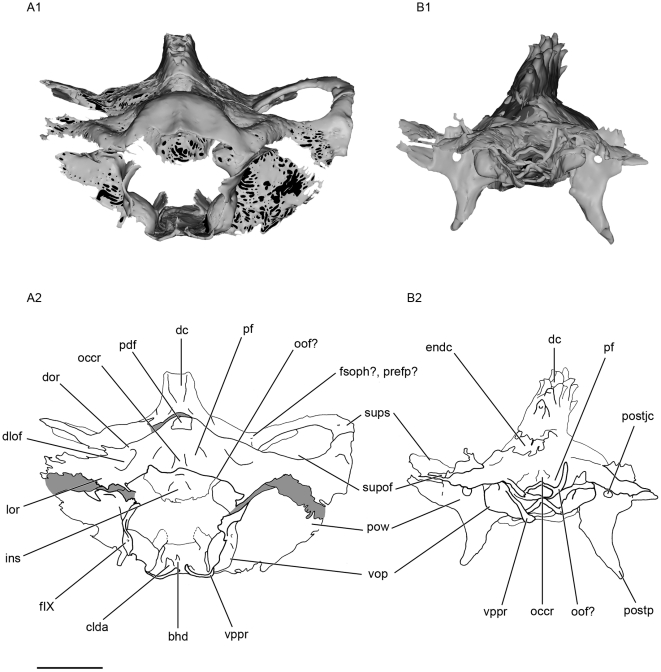
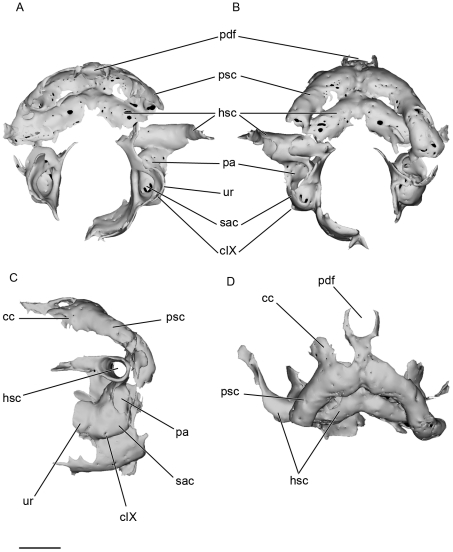
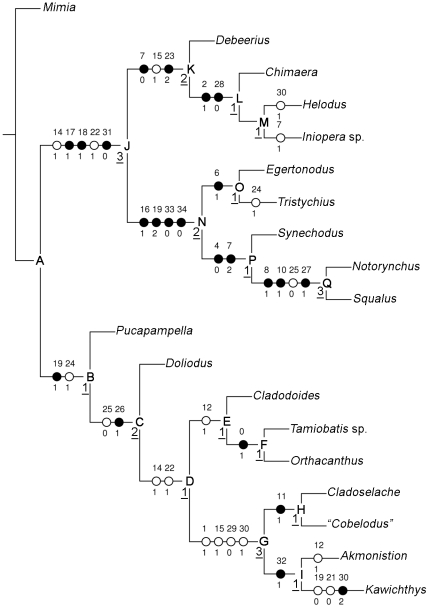
METHODOLOGY/PRINCIPAL FINDINGS: On the basis of two well preserved chondrichthyan neurocrania from the Late Carboniferous of Kansas, USA, we describe here a new species of Symmoriiformes, Kawichthys moodiei gen. et sp. nov., which was investigated by means of computerized X-ray synchrotron microtomography. We present a new phylogenetic analysis based on neurocranial characters, which supports the third hypothesis and corroborates the hypothesis that crown-group chondrichthyans (Holocephali+Neoselachii) form a tightly-knit group within the chondrichthyan total group, by providing additional, non dental characters.
CONCLUSIONS/SIGNIFICANCE: Our results highlight the importance of new well preserved Paleozoic fossils and new techniques of observation, and suggest that a new look at the synapomorphies of the crown-group chondrichthyans would be worthwhile in terms of understanding the adaptive significance of phylogenetically important characters.
软骨鱼类的亲缘关系是根据保存完好的三维古生代标本来讨论的。迄今为止,对于古生代软骨鱼类的相互关系尚无共识,尽管当前文献中有三种主要的系统发育假说:1. 古生代类似鲨鱼的软骨鱼类,如 Symmoriiformes,与现代鲨鱼(新鲨类)一起组成一个分支,该分支是全头类的姐妹群;2. Symmoriiformes与全头类有关,而其他古生代类似鲨鱼的软骨鱼类与新鲨类有关;3. 许多古生代类似鲨鱼的软骨鱼类,如 Symmoriiformes,是原始软骨鱼类,而原始和冠全头类是冠软骨鱼类分支中原始和冠新鲨类的姐妹群。这个第三个假说最近是基于牙齿特征提出的。
方法/主要发现:基于美国堪萨斯州晚石炭世保存完好的两个软骨鱼类神经颅,我们在这里描述了一个新的 Symmoriiformes 物种,即 Kawichthys moodiei gen. et sp. nov.,该物种通过计算机化 X 射线同步辐射微断层扫描进行了研究。我们提出了一个新的基于神经颅特征的系统发育分析,该分析支持第三个假说,并证实了冠群软骨鱼类(全头类+新鲨类)在软骨鱼类总群内形成一个紧密结合的群体的假说,通过提供额外的、非牙齿特征。
结论/意义:我们的结果强调了新的保存完好的古生代化石和新的观察技术的重要性,并表明,从理解系统发育上重要特征的适应意义的角度来看,重新审视冠群软骨鱼类的同源特征将是值得的。