Department of Immunobiology, Yale University School of Medicine, New Haven, Connecticut, United States of America.
PLoS One. 2011;6(9):e25478. doi: 10.1371/journal.pone.0025478. Epub 2011 Sep 29.
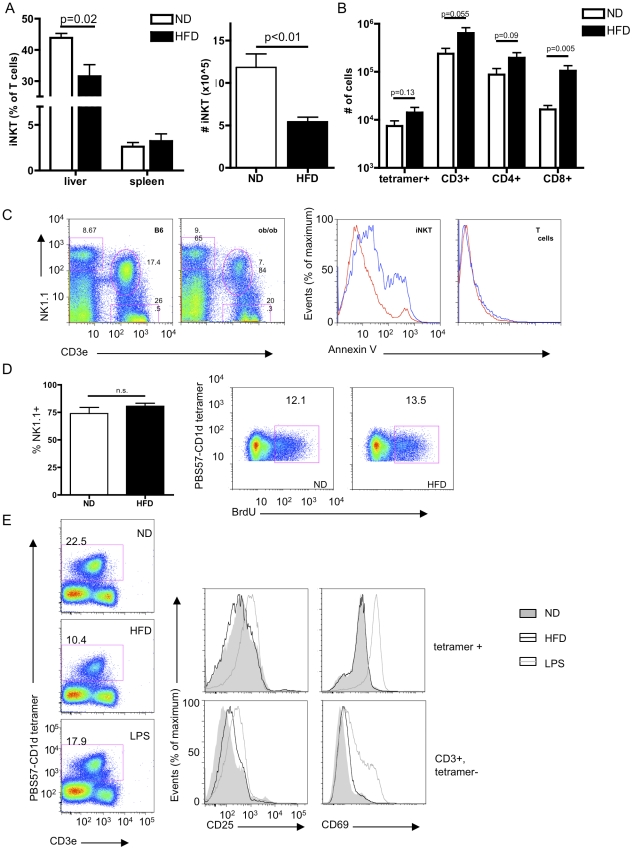
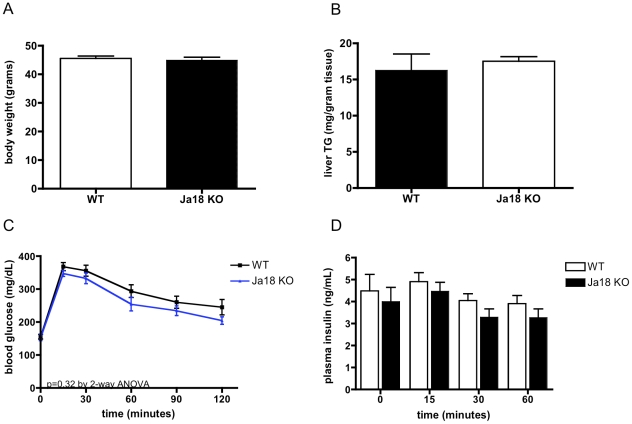
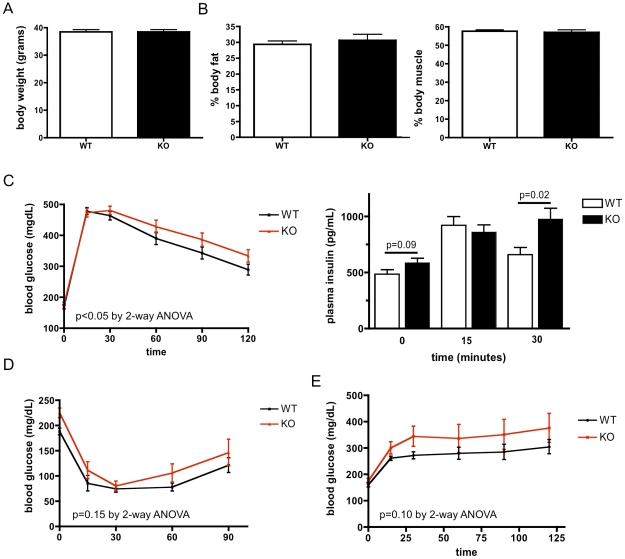
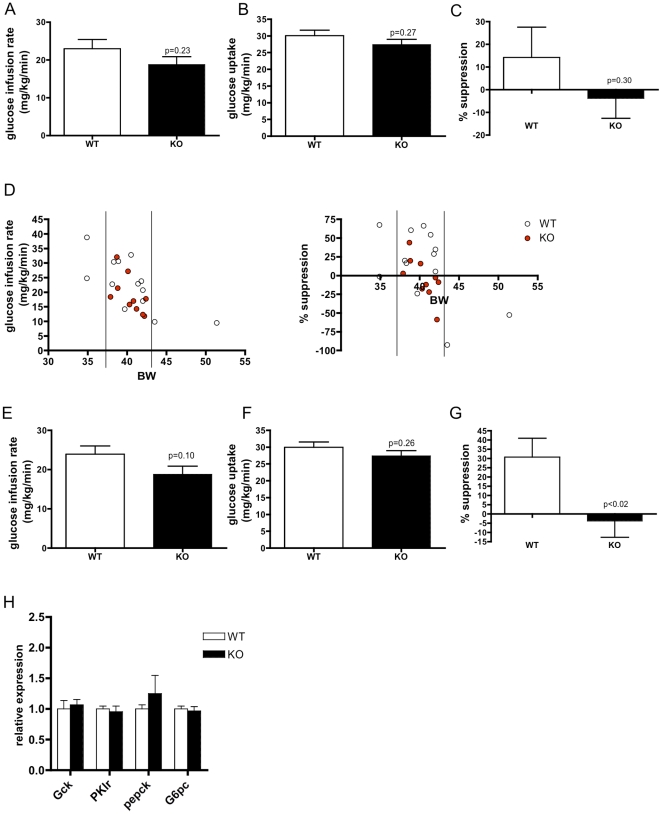
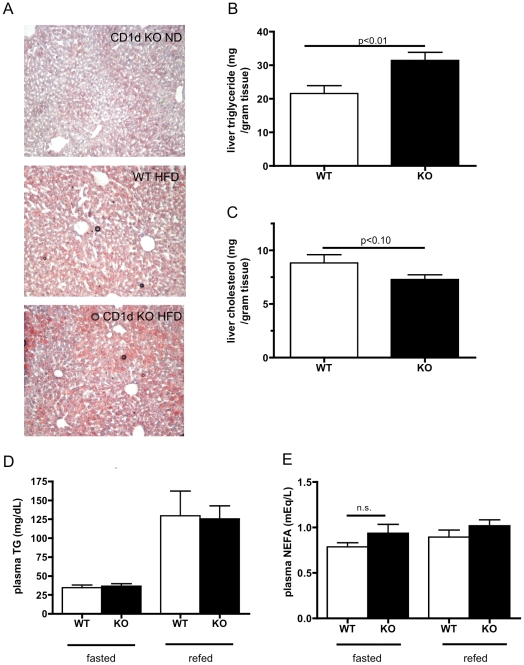
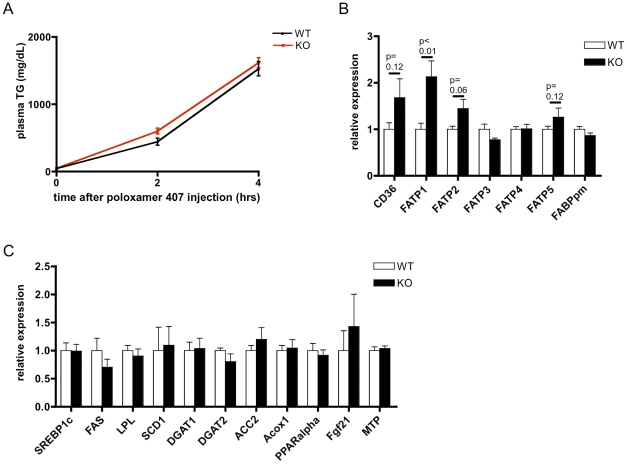
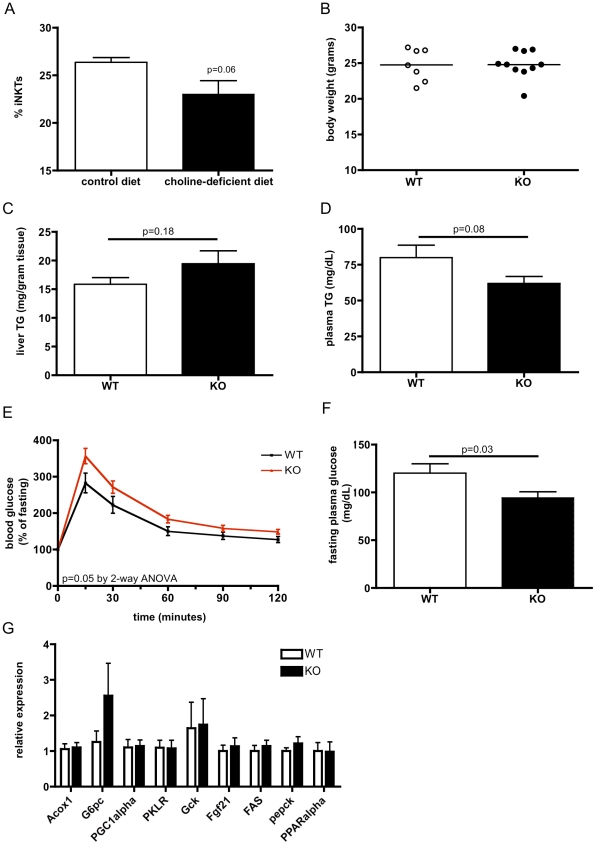
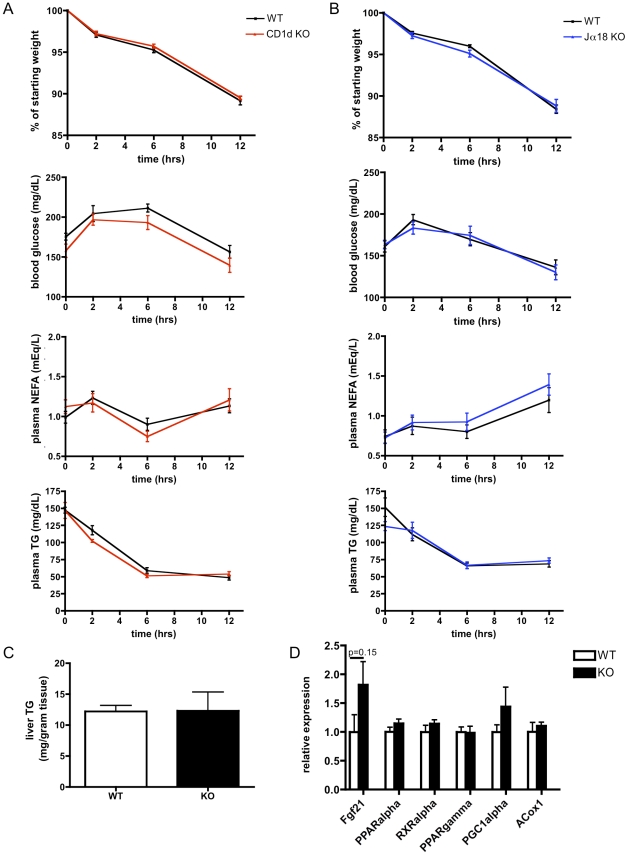
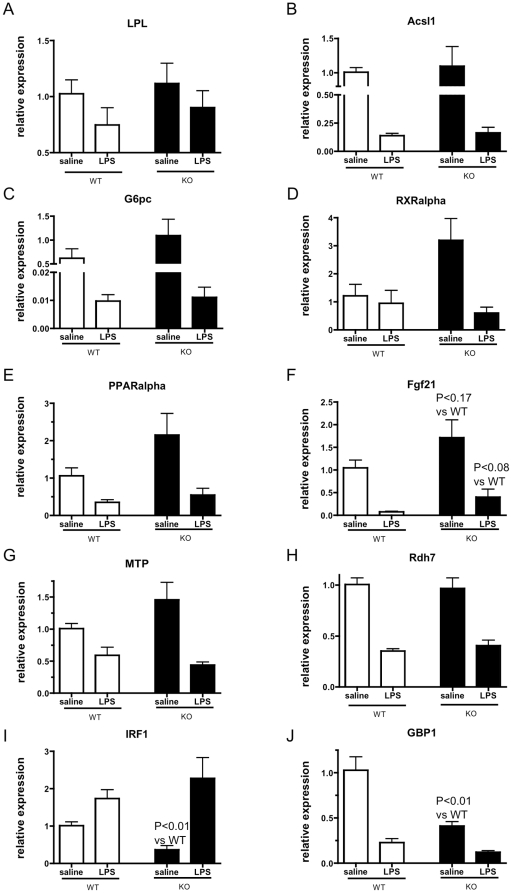
Invariant natural killer T cells (iNKTs) are innate-like T cells that are highly concentrated in the liver and recognize lipids presented on the MHC-like molecule CD1d. Although capable of a myriad of responses, few essential functions have been described for iNKTs. Among the many cell types of the immune system implicated in metabolic control and disease, iNKTs seem ideally poised for such a role, yet little has been done to elucidate such a possible function. We hypothesized that lipid presentation by CD1d could report on metabolic status and engage iNKTs to regulate cellular lipid content through their various effector mechanisms. To test this hypothesis, we examined CD1d deficient mice in a variety of metabolically stressed paradigms including high fat feeding, choline-deficient feeding, fasting, and acute inflammation. CD1d deficiency led to a mild exacerbation of steatosis during high fat or choline-deficient feeding, accompanied by impaired hepatic glucose tolerance. Surprisingly, however, this phenotype was not observed in Jα18⁻/⁻ mice, which are deficient in iNKTs but express CD1d. Thus, CD1d appears to modulate some metabolic functions through an iNKT-independent mechanism.
天然不变自然杀伤 T 细胞(iNKT 细胞)是一种先天样 T 细胞,在肝脏中高度集中,识别 MHC 样分子 CD1d 上呈现的脂质。尽管 iNKT 细胞能够做出多种反应,但很少有其基本功能被描述。在涉及代谢控制和疾病的免疫系统的许多细胞类型中,iNKT 细胞似乎非常适合发挥这种作用,但几乎没有做任何工作来阐明这种可能的功能。我们假设 CD1d 介导的脂质呈递可以报告代谢状态,并通过其各种效应机制激活 iNKT 细胞来调节细胞内脂质含量。为了验证这一假设,我们在多种代谢应激模型中检查了 CD1d 缺陷小鼠,包括高脂肪喂养、胆碱缺乏喂养、禁食和急性炎症。CD1d 缺陷导致高脂肪或胆碱缺乏喂养期间脂肪变性轻度加重,并伴有肝葡萄糖耐量受损。然而,令人惊讶的是,这种表型在 Jα18⁻/⁻小鼠中并未观察到,Jα18⁻/⁻小鼠缺乏 iNKT 细胞但表达 CD1d。因此,CD1d 似乎通过一种 iNKT 非依赖性机制调节某些代谢功能。