Center for Medical Genetics, Ghent University, Ghent, Belgium.
PLoS One. 2011;6(9):e25531. doi: 10.1371/journal.pone.0025531. Epub 2011 Sep 30.
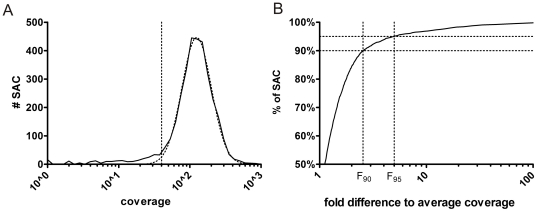
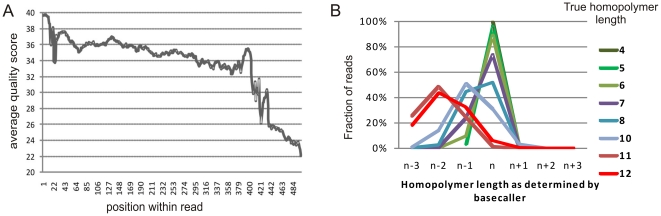
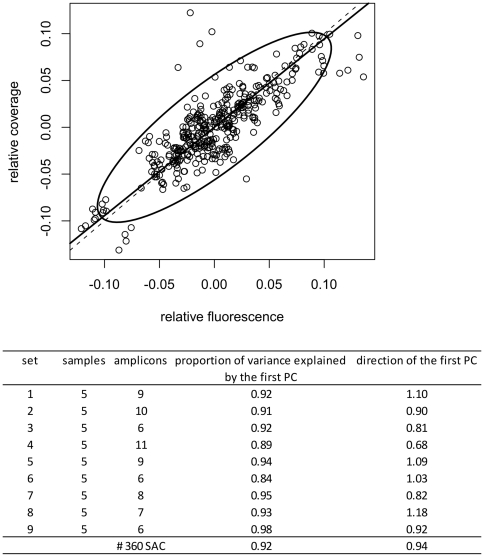
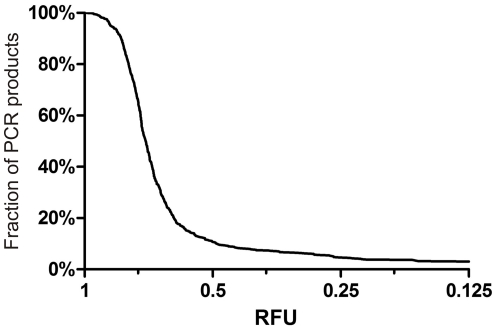
Despite improvements in terms of sequence quality and price per basepair, Sanger sequencing remains restricted to screening of individual disease genes. The development of massively parallel sequencing (MPS) technologies heralded an era in which molecular diagnostics for multigenic disorders becomes reality. Here, we outline different PCR amplification based strategies for the screening of a multitude of genes in a patient cohort. We performed a thorough evaluation in terms of set-up, coverage and sequencing variants on the data of 10 GS-FLX experiments (over 200 patients). Crucially, we determined the actual coverage that is required for reliable diagnostic results using MPS, and provide a tool to calculate the number of patients that can be screened in a single run. Finally, we provide an overview of factors contributing to false negative or false positive mutation calls and suggest ways to maximize sensitivity and specificity, both important in a routine setting. By describing practical strategies for screening of multigenic disorders in a multitude of samples and providing answers to questions about minimum required coverage, the number of patients that can be screened in a single run and the factors that may affect sensitivity and specificity we hope to facilitate the implementation of MPS technology in molecular diagnostics.
尽管在序列质量和每个碱基对的价格方面有所改进,但 Sanger 测序仍然局限于单个疾病基因的筛选。大规模平行测序 (MPS) 技术的发展开创了一个多基因疾病分子诊断成为现实的时代。在这里,我们概述了在患者队列中筛选众多基因的基于 PCR 扩增的不同策略。我们在 10 个 GS-FLX 实验的数据(超过 200 个患者)中进行了全面的评估,包括设置、覆盖范围和测序变体。至关重要的是,我们确定了使用 MPS 获得可靠诊断结果所需的实际覆盖范围,并提供了一种计算单次运行中可以筛选的患者数量的工具。最后,我们概述了导致假阴性或假阳性突变调用的因素,并提出了最大化灵敏度和特异性的方法,这在常规设置中都很重要。通过描述在多个样本中筛选多基因疾病的实用策略,并回答关于最小必需覆盖范围、单次运行中可以筛选的患者数量以及可能影响灵敏度和特异性的因素的问题,我们希望促进 MPS 技术在分子诊断中的应用。