Department of Geriatric Dentistry, Showa University School of Dentistry, Tokyo, Japan.
Eur J Dent Educ. 2011 Nov;15(4):231-5. doi: 10.1111/j.1600-0579.2010.00664.x. Epub 2011 Jan 31.
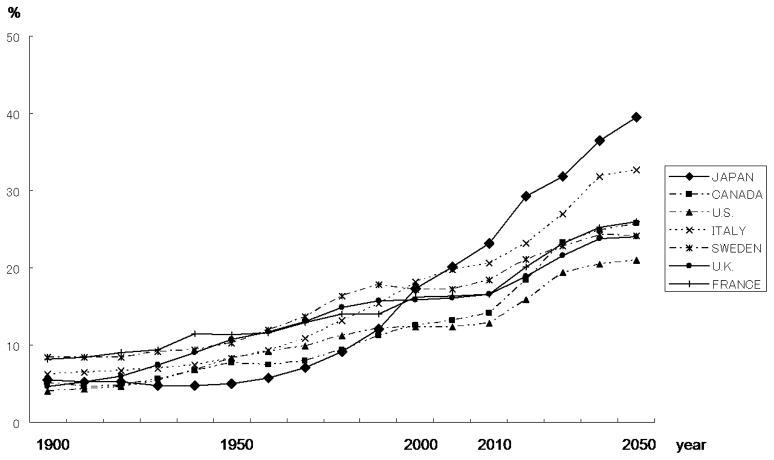
Geriatric dentistry and its instruction are critical in a rapidly ageing population. Japan is the world's fastest-ageing society, and thus, geriatric dentistry education in Japan can serve as a global model for other countries that will soon encounter the issues that Japan has already confronted. This study aimed at evaluating geriatric dental education with respect to the overall dental education system, undergraduate geriatric dentistry curricula, mandatory internships, and graduate geriatric education of a selected dental school in Japan. Bibliographical data and local information were collected. Descriptive and statistical analyses (Fisher and chi-squared test) were conducted. Japanese dental schools teach geriatric dentistry in 10 geriatric dentistry departments as well as in prosthodontic departments. There were no significant differences found between the number of public and private dental schools with geriatric dentistry departments (P = 0.615). At Showa University School of Dentistry, there are more didactic hours than practical training hours; however, there is no significant didactic/practical hour distribution difference between the overall dental curriculum and fourth-year dental students' geriatric dental education curriculum (P = 0.077). Graduate geriatric education is unique because it is a 4-year PhD course of study; there is neither a master's degree programme nor a certificate programme in geriatric dentistry. Overall, both undergraduate and graduate geriatric dentistry curricula are multidisciplinary. This study contributes to a better understanding of geriatric dental education in Japan; the implications of this study include developing a clinical/didactic curriculum, designing new national/international dental public health policies, and calibrating the competency of dentists in geriatric dentistry.
老年牙科及其教学在快速老龄化的人口中至关重要。日本是世界上老龄化最快的社会,因此,日本的老年牙科教育可以为其他即将面临日本已经面临的问题的国家提供全球典范。本研究旨在评估日本一所选定牙科学校的整体牙科教育系统、本科生老年牙科课程、强制性实习和研究生老年教育中的老年牙科教育。收集了文献数据和当地信息。进行了描述性和统计分析(Fisher 和卡方检验)。日本牙科学校在 10 个老年牙科系以及修复牙科系教授老年牙科。拥有老年牙科系的公立和私立牙科学校数量之间没有发现显著差异(P = 0.615)。在昭和大学齿学部,理论教学时间多于实践培训时间;然而,整个牙科课程和四年级牙科学生老年牙科教育课程的理论/实践时间分布没有显著差异(P = 0.077)。研究生老年教育是独特的,因为它是一个为期 4 年的博士课程;既没有老年牙科硕士学位课程,也没有证书课程。总体而言,本科和研究生老年牙科课程都是多学科的。本研究有助于更好地了解日本的老年牙科教育;这项研究的意义包括制定临床/理论课程、设计新的国家/国际牙科公共卫生政策以及调整老年牙科牙医的能力。