Department of Animal Science, Iowa State University, Ames, IA 50011, USA.
Department of Statistics, Iowa State University, Ames, IA 50011, USA.
Viruses. 2011 Jan;3(1):1-11. doi: 10.3390/v3010001. Epub 2011 Jan 11.
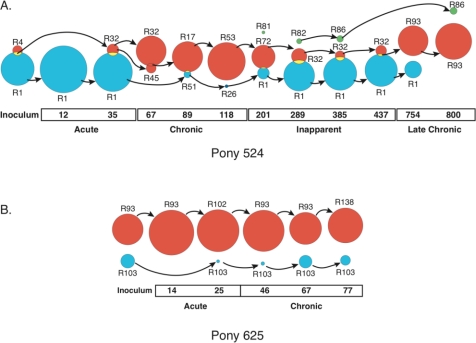
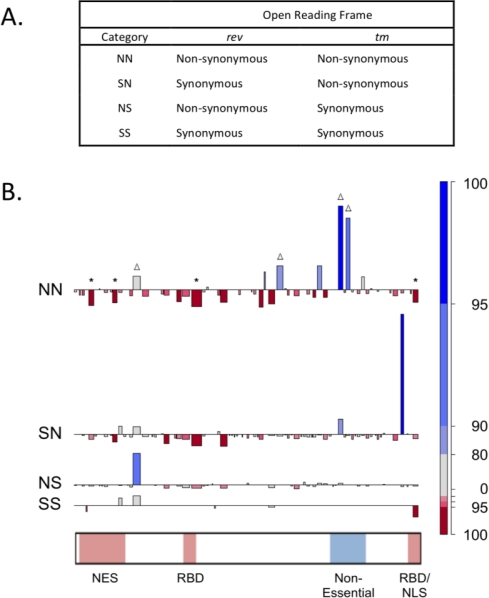
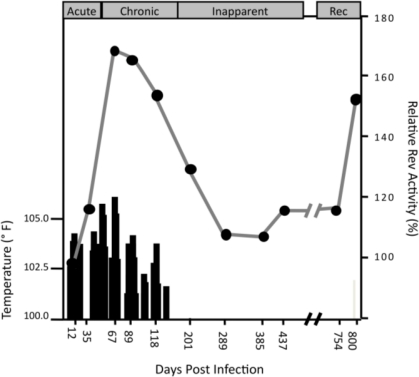
The ability of lentiviruses to continually evolve and escape immune control is the central impediment in developing an effective vaccine for HIV-1 and other lentiviruses. Equine infectious anemia virus (EIAV) is considered a useful model for immune control of lentivirus infection. Virus-specific cytotoxic T lymphocytes (CTL) and broadly neutralizing antibody effectively control EIAV replication during inapparent stages of disease, but after years of low-level replication, the virus is still able to produce evasion genotypes that lead to late re-emergence of disease. There is a high rate of genetic variation in the EIAV surface envelope glycoprotein (SU) and in the region of the transmembrane protein (TM) overlapped by the major exon of Rev. This review examines genetic and phenotypic variation in Rev during EIAV disease and a possible role for Rev in immune evasion and virus persistence.
慢病毒不断进化和逃避免疫控制的能力是开发 HIV-1 和其他慢病毒有效疫苗的主要障碍。马传染性贫血病毒 (EIAV) 被认为是免疫控制慢病毒感染的有用模型。病毒特异性细胞毒性 T 淋巴细胞 (CTL) 和广泛中和抗体可在疾病无症状阶段有效控制 EIAV 复制,但在多年的低水平复制后,病毒仍能够产生逃避基因型,导致疾病后期再次出现。EIAV 表面包膜糖蛋白 (SU) 和跨膜蛋白 (TM) 的主要外显子重叠区的 Rev 存在高遗传变异率。本综述探讨了 EIAV 疾病过程中 Rev 的遗传和表型变异,以及 Rev 在免疫逃避和病毒持续存在中的可能作用。