Department of Molecular Biosciences, University of Kansas, 1200 Sunnyside Ave., Lawrence, KS 66045, USA.
Oncogene. 2012 May 10;31(19):2423-37. doi: 10.1038/onc.2011.434. Epub 2011 Sep 26.
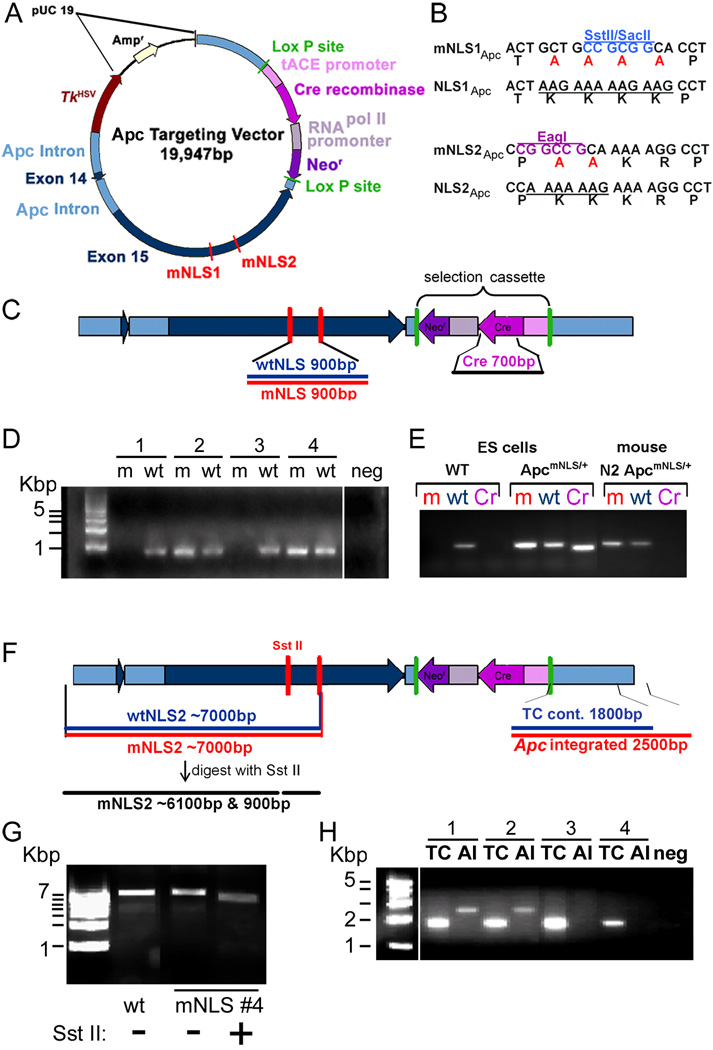
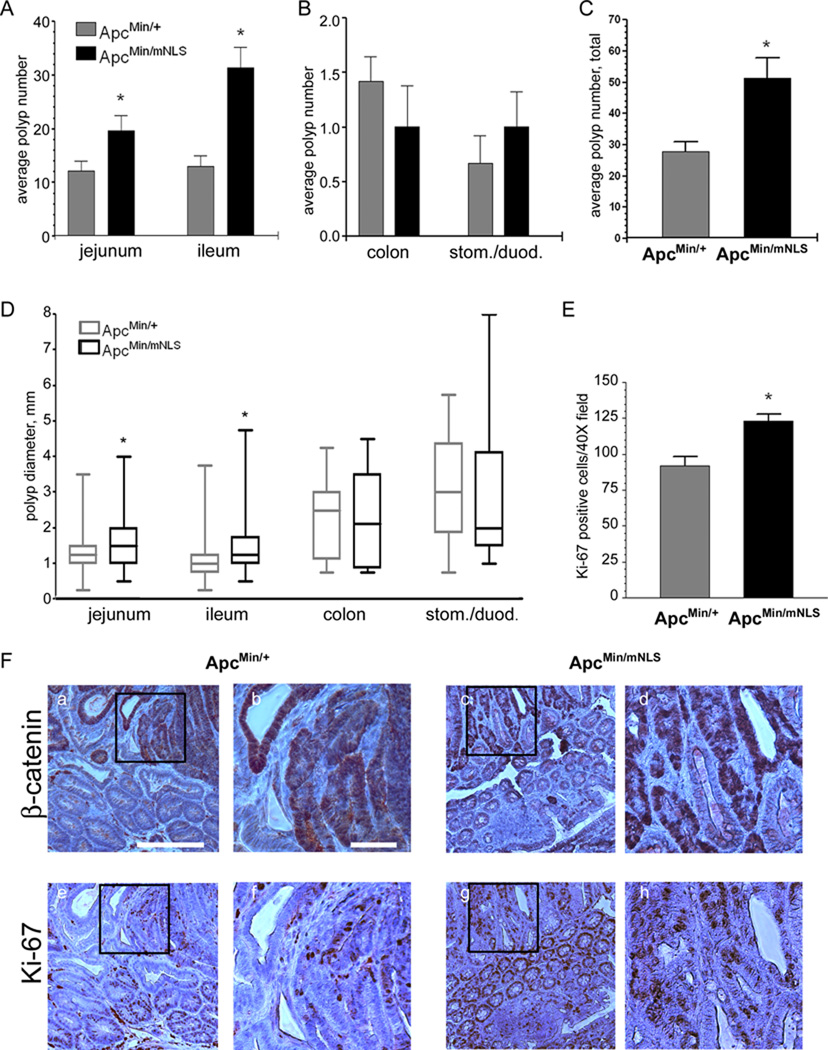
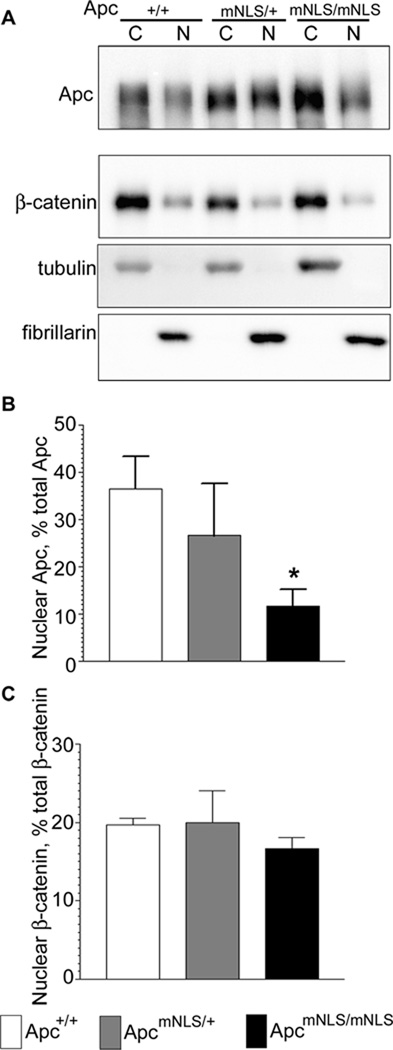
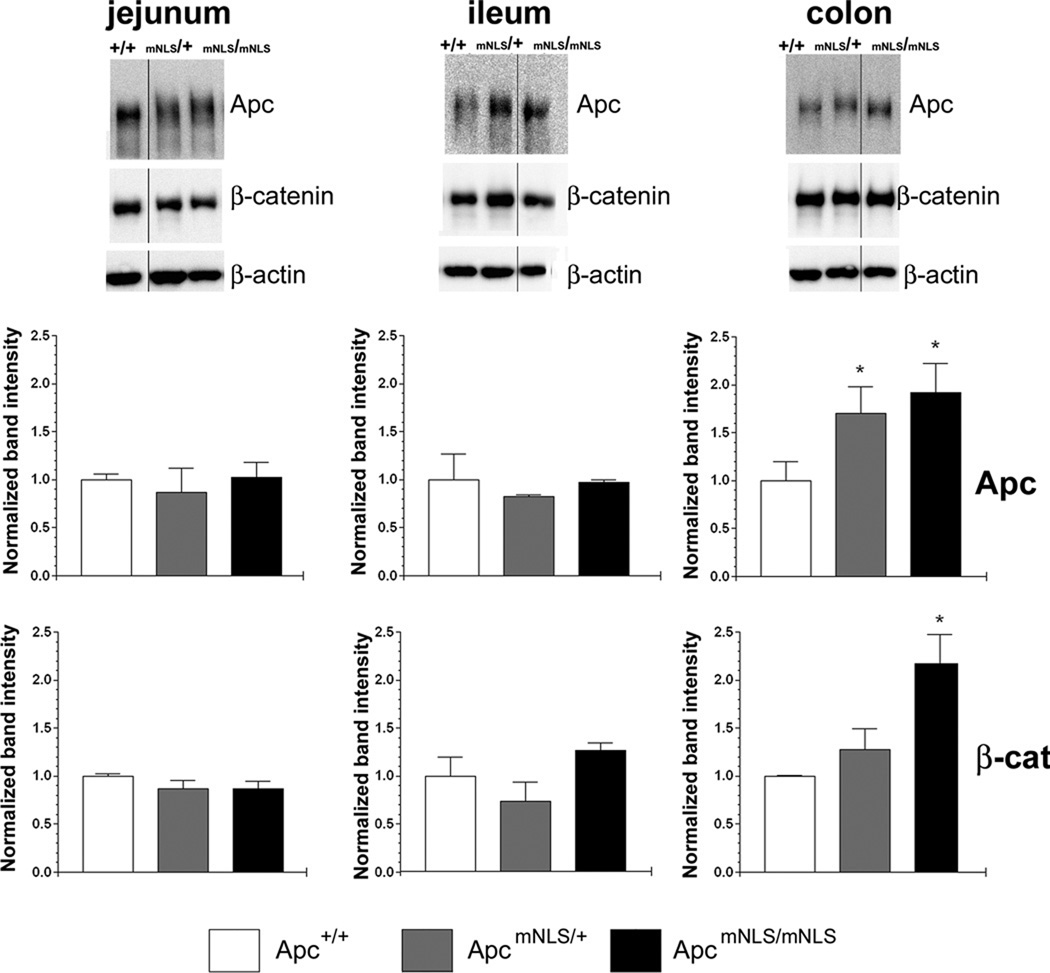
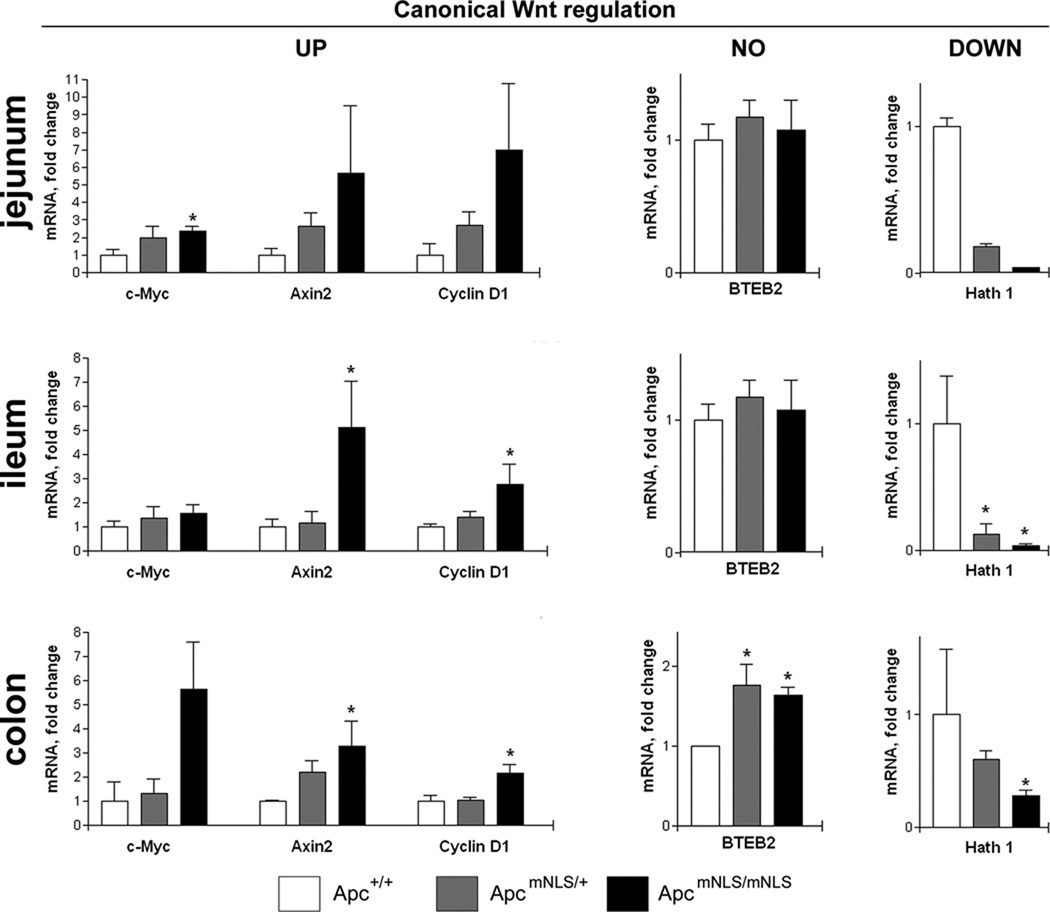
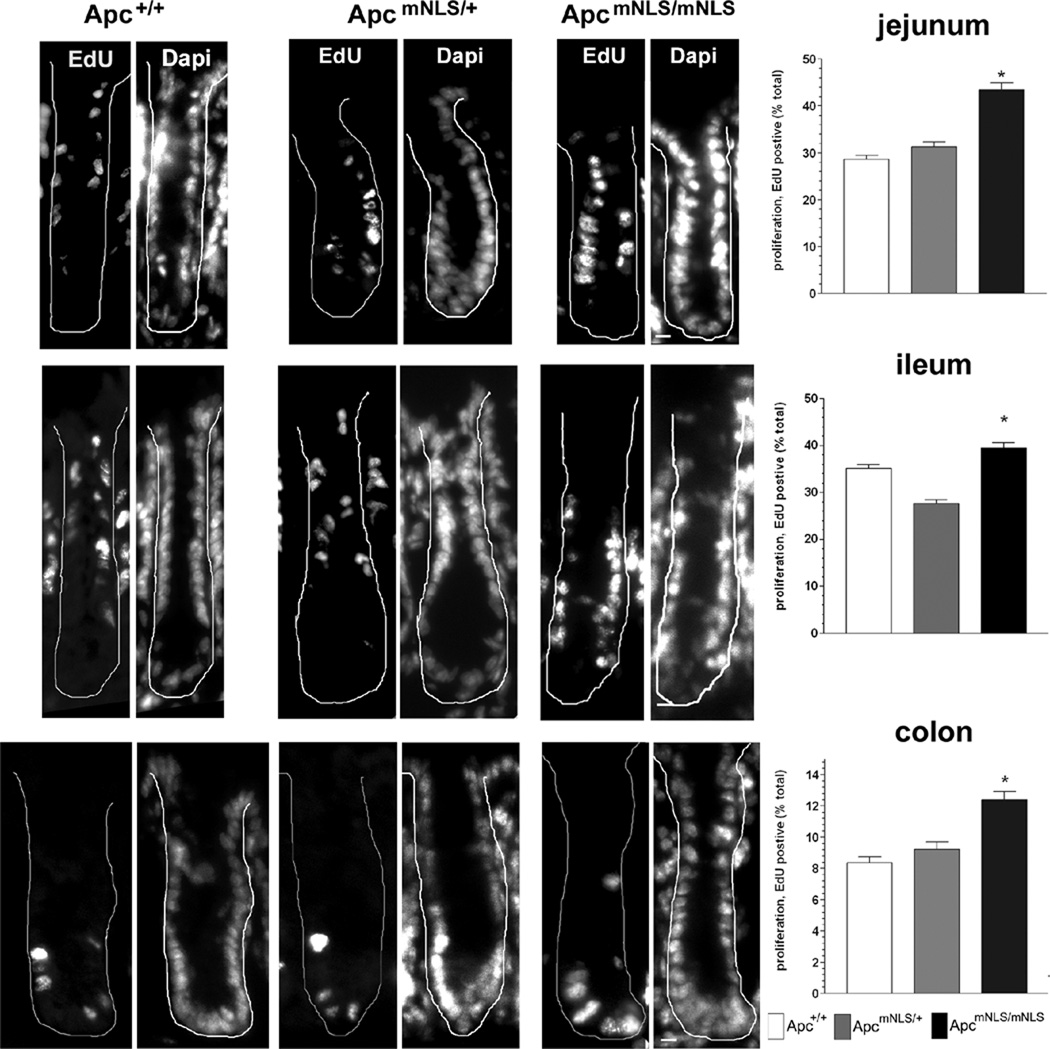
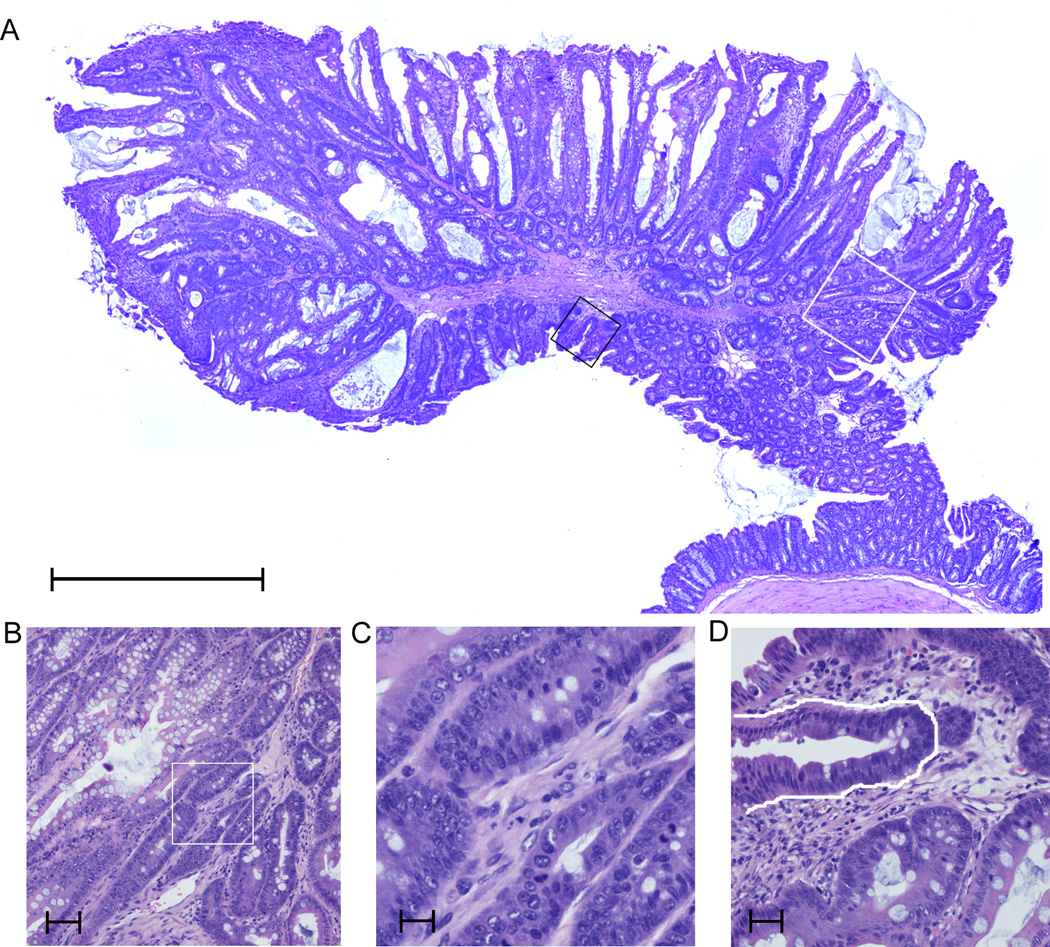
Mutation of the tumor suppressor adenomatous polyposis coli (APC) is considered an initiating step in the genesis of the vast majority of colorectal cancers. APC inhibits the Wnt-signaling pathway by targeting the proto-oncogene β-catenin for destruction by cytoplasmic proteasomes. In the presence of a Wnt signal, or in the absence of functional APC, β-catenin can serve as a transcription cofactor for genes required for cell proliferation such as cyclin-D1 and c-Myc. In cultured cells, APC shuttles between the nucleus and the cytoplasm, with nuclear APC implicated in the inhibition of Wnt target gene expression. Adopting a genetic approach to evaluate the functions of nuclear APC in the context of a whole organism, we generated a mouse model with mutations that inactivate the nuclear localization signals (NLSs) of Apc (Apc(mNLS)). Apc(mNLS/mNLS) mice are viable and fractionation of mouse embryonic fibroblasts (MEFs) isolated from these mice revealed a significant reduction in nuclear Apc as compared with Apc(+/+) MEFs. The levels of Apc and β-catenin protein were not significantly altered in small intestinal epithelia from Apc(mNLS/mNLS) mice. Compared with Apc(+/+) mice, Apc(mNLS/mNLS) mice showed increased proliferation in epithelial cells from the jejunum, ileum and colon. These same tissues from Apc(mNLS/mNLS) mice showed more mRNA from three genes upregulated in response to canonical Wnt signal, c-Myc, axin-2 and cyclin-D1, and less mRNA from Hath-1, which is downregulated in response to Wnt. These observations suggest a role for nuclear Apc in the inhibition of canonical Wnt signaling and the control of epithelial proliferation in intestinal tissue. Furthermore, we found Apc(Min/+) mice, which harbor a mutation that truncates Apc, to have an increased polyp size and multiplicity if they also carry the Apc(mNLS) allele. Taken together, this analysis of the novel Apc(mNLS) mouse model supports a role for nuclear Apc in the control of Wnt target genes, intestinal epithelial cell proliferation and polyp formation.
肿瘤抑制因子腺瘤性结肠息肉病(APC)的突变被认为是绝大多数结直肠癌发生的起始步骤。APC 通过靶向原癌基因β-连环蛋白使其被细胞质蛋白酶体破坏来抑制 Wnt 信号通路。在存在 Wnt 信号的情况下,或者在 APC 功能缺失的情况下,β-连环蛋白可以作为细胞增殖所需基因(如 cyclin-D1 和 c-Myc)的转录共因子。在培养的细胞中,APC 在核和细胞质之间穿梭,核 APC 参与抑制 Wnt 靶基因的表达。我们采用遗传方法在整个生物体的背景下评估核 APC 的功能,生成了一种具有失活 APC 核定位信号(NLS)的突变小鼠模型(Apc(mNLS))。Apc(mNLS/mNLS) 小鼠是有活力的,从小鼠胚胎成纤维细胞(MEFs)的分离中发现与 Apc(+/+) MEFs 相比,核 APC 显著减少。Apc(mNLS/mNLS) 小鼠的小肠上皮中 Apc 和 β-连环蛋白蛋白水平没有明显改变。与 Apc(+/+) 小鼠相比,Apc(mNLS/mNLS) 小鼠的空肠、回肠和结肠上皮细胞增殖增加。这些 Apc(mNLS/mNLS) 小鼠的相同组织显示出更多的三种基因的 mRNA,这些基因在受到经典 Wnt 信号刺激时上调,c-Myc、axin-2 和 cyclin-D1,而 Hath-1 的 mRNA 减少,该基因在受到 Wnt 刺激时下调。这些观察结果表明核 APC 在抑制经典 Wnt 信号和控制肠道组织上皮细胞增殖方面发挥作用。此外,我们发现携带截断 APC 突变的 Apc(Min/+) 小鼠如果还携带 Apc(mNLS)等位基因,其息肉大小和数量会增加。总之,对新型 Apc(mNLS) 小鼠模型的分析支持核 APC 在控制 Wnt 靶基因、肠道上皮细胞增殖和息肉形成中的作用。