Medical Department, Brookhaven National Laboratory, Upton, New York 11973, USA.
Nat Rev Neurosci. 2011 Oct 20;12(11):652-69. doi: 10.1038/nrn3119.
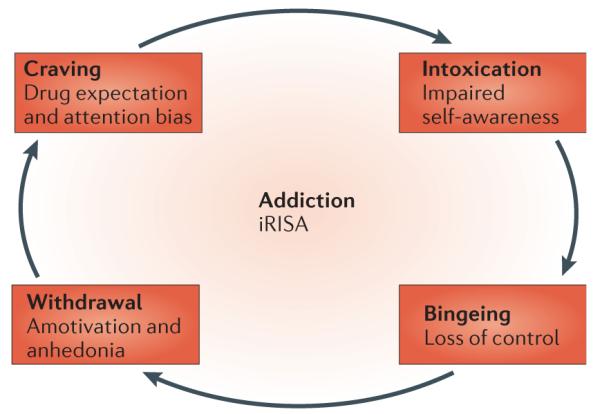
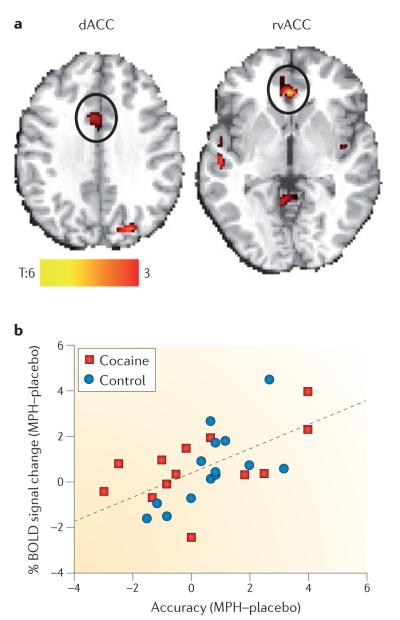
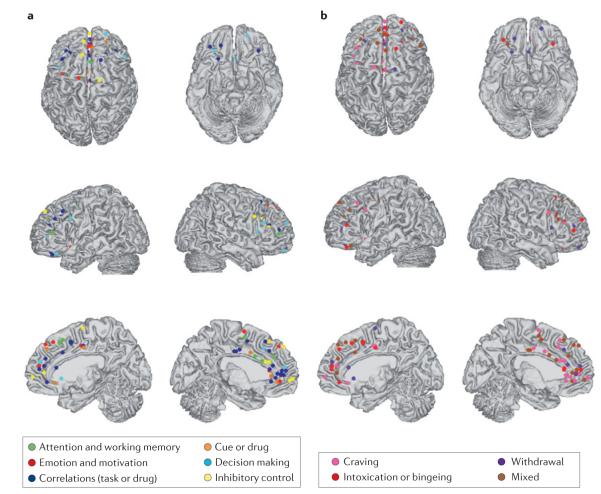
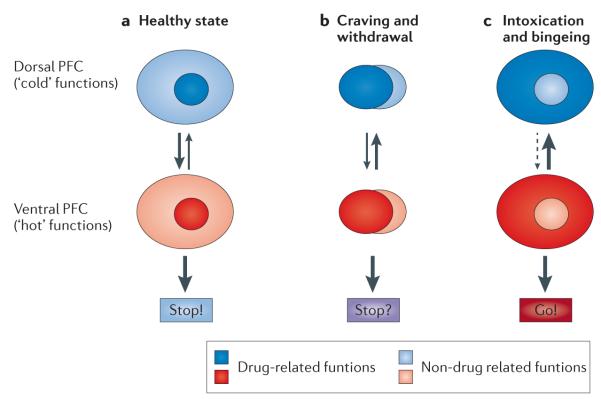
The loss of control over drug intake that occurs in addiction was initially believed to result from disruption of subcortical reward circuits. However, imaging studies in addictive behaviours have identified a key involvement of the prefrontal cortex (PFC) both through its regulation of limbic reward regions and its involvement in higher-order executive function (for example, self-control, salience attribution and awareness). This Review focuses on functional neuroimaging studies conducted in the past decade that have expanded our understanding of the involvement of the PFC in drug addiction. Disruption of the PFC in addiction underlies not only compulsive drug taking but also accounts for the disadvantageous behaviours that are associated with addiction and the erosion of free will.
成瘾者对药物摄入失去控制,最初被认为是由于皮质下奖励回路的中断所致。然而,成瘾行为的影像学研究已经确定了前额叶皮层(PFC)的关键参与,既通过其对边缘奖励区域的调节,也通过其对高级执行功能(例如,自我控制、突显归因和意识)的参与。这篇综述侧重于过去十年进行的功能神经影像学研究,这些研究扩展了我们对 PFC 在药物成瘾中的作用的理解。成瘾者 PFC 的破坏不仅导致强迫性药物滥用,还导致与成瘾相关的不利行为以及自由意志的侵蚀。