D'Souza Maria Mathew, Sharma Rajnish, Tripathi Madhavi, Panwar Puja, Jaimini Abhinav, Mondal Anupam
Division of PET Imaging, Molecular Imaging and Research Centre, Institute of Nuclear Medicine and Allied Sciences, Delhi, India.
Indian J Radiol Imaging. 2011 Jul;21(3):202-8. doi: 10.4103/0971-3026.85369.
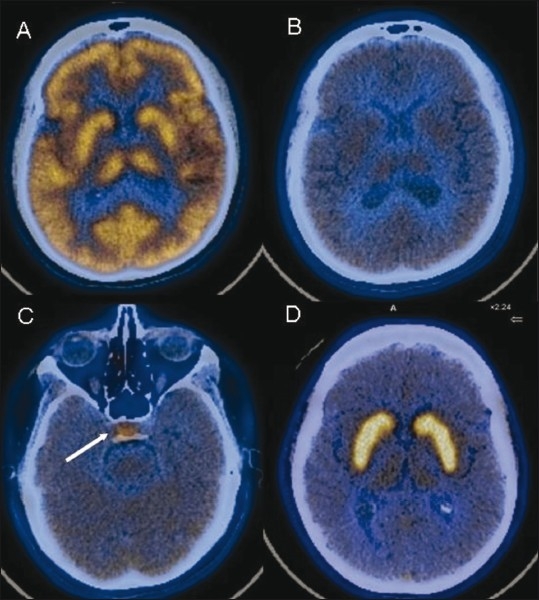
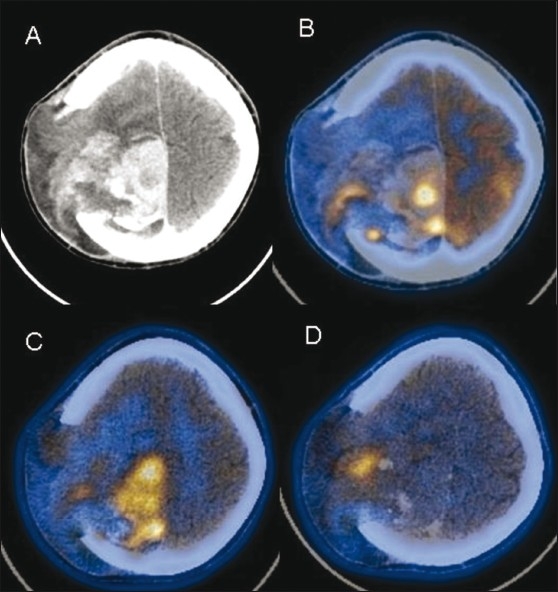
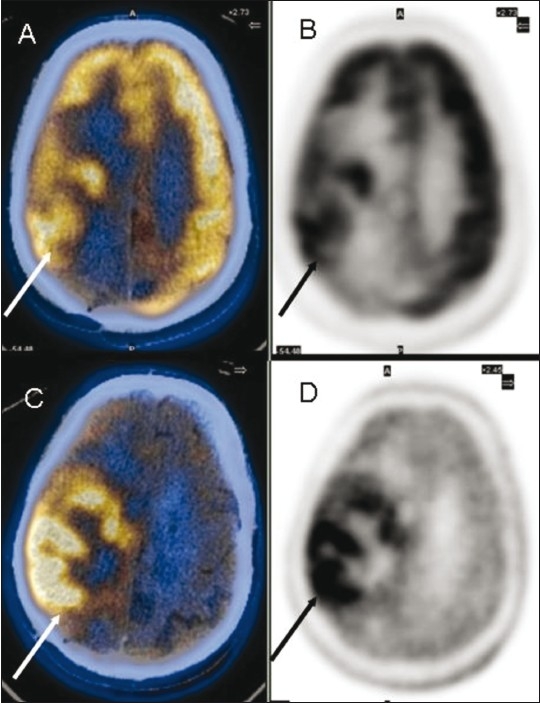
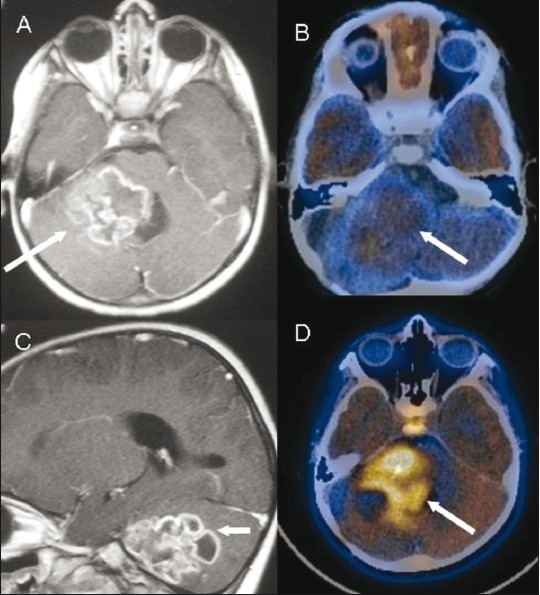
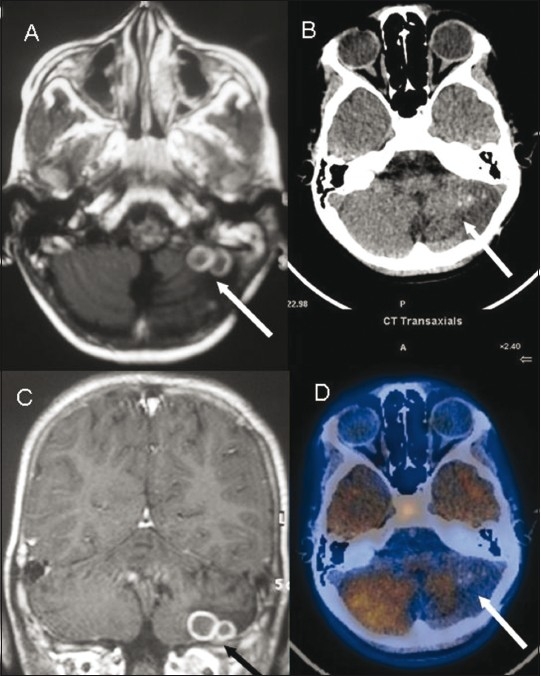
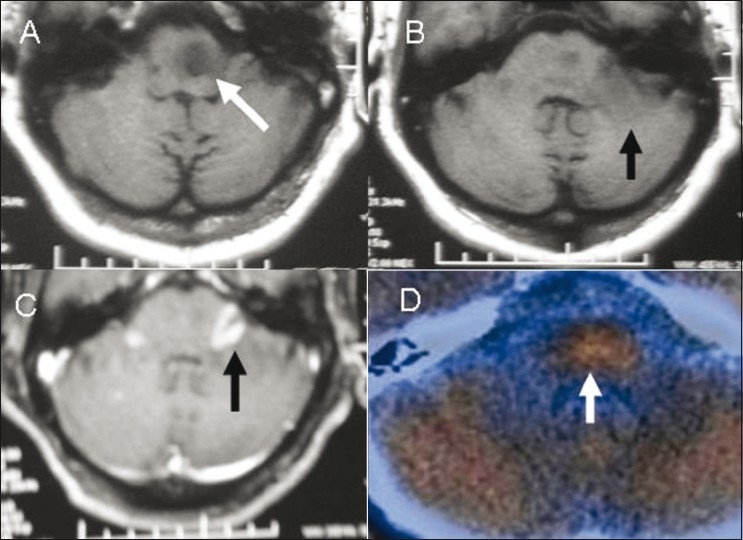
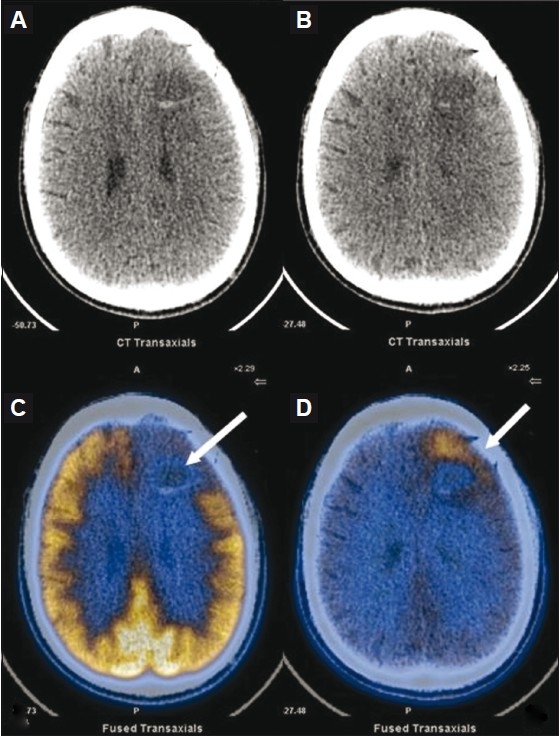
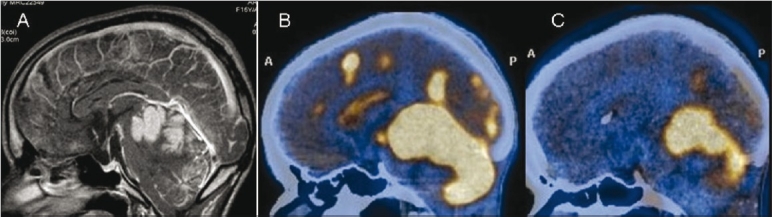
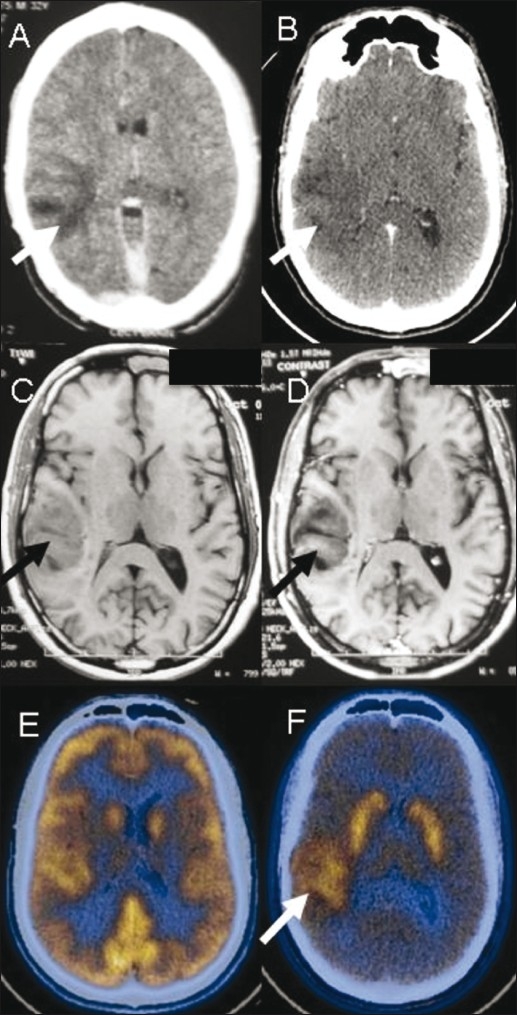
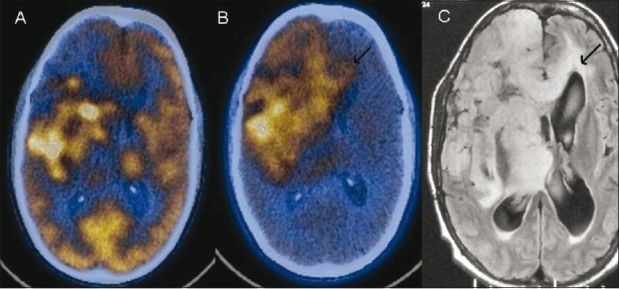
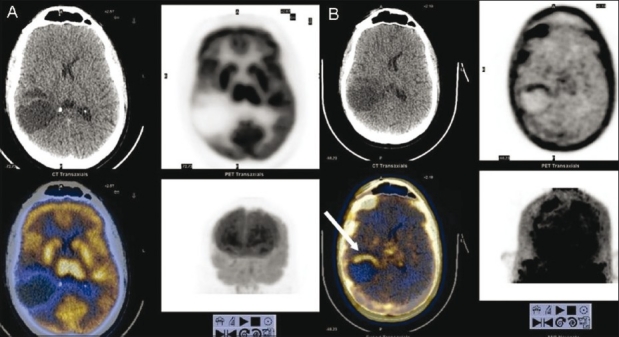
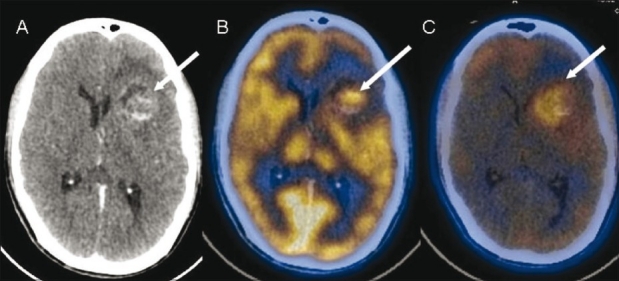
Although [18F] 2-fluoro-2-deoxy-D-glucose (FDG) is the most widely used radiopharmaceutical the world over, it is not the ideal tracer for brain imaging, owing to its high physiological cortical uptake and lack of specificity. This has paved the way for the introduction of several novel radiotracers, each with their own inherent strengths and limitations. We present the insights gained from the use of these radiotracers at our institution.
尽管[18F]2-氟-2-脱氧-D-葡萄糖(FDG)是全球使用最广泛的放射性药物,但由于其较高的生理性皮质摄取和缺乏特异性,它并非脑成像的理想示踪剂。这为几种新型放射性示踪剂的引入铺平了道路,每种示踪剂都有其自身固有的优势和局限性。我们展示了在我们机构使用这些放射性示踪剂所获得的见解。