Department of Physiology, University of Pretoria Pretoria, Gauteng, South Africa.
Front Neurosci. 2011 Oct 21;5:116. doi: 10.3389/fnins.2011.00116. eCollection 2011.
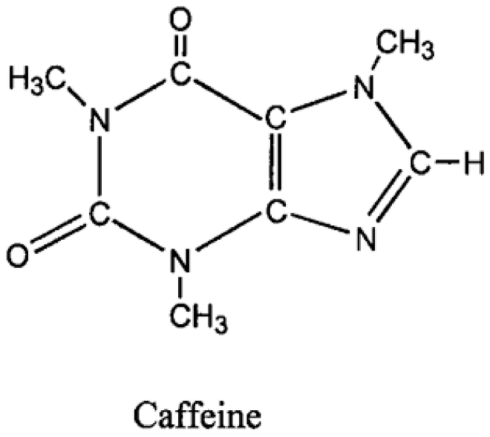
Caffeine is the most widely used psychoactive stimulant with prevalent use across all age groups. It is a naturally occurring substance found in the coffee bean, tea leaf, the kola nut, cocoa bean. Recently there has been an increase in energy drink consumption leading to caffeine abuse, with aggressive marketing and poor awareness on the consequences of high caffeine use. With caffeine consumption being so common, it is vital to know the impact caffeine has on the body, as its effects can influence cardio-respiratory, endocrine, and perhaps most importantly neurological systems. Detrimental effects have being described especially since an over consumption of caffeine has being noted. This review focuses on the neurophysiological impact of caffeine and its biochemical pathways in the human body.
咖啡因是最广泛使用的精神兴奋剂,在所有年龄段都有普遍的使用。它是一种天然存在于咖啡豆、茶叶、可乐果、可可豆中的物质。最近,能量饮料的消费有所增加,导致咖啡因滥用,这是由于营销策略激进,人们对高咖啡因使用的后果缺乏认识。由于咖啡因的消费如此普遍,了解咖啡因对身体的影响是至关重要的,因为它的作用会影响心肺、内分泌系统,也许最重要的是神经系统。特别是在过量摄入咖啡因后,已经描述了有害影响。这篇综述集中讨论了咖啡因对人体的神经生理影响及其生化途径。