Department of Psychology and Neuroscience, University of Colorado, Boulder, CO 80309-0345, USA.
Brain Behav Immun. 2012 Feb;26(2):337-45. doi: 10.1016/j.bbi.2011.10.005. Epub 2011 Oct 24.
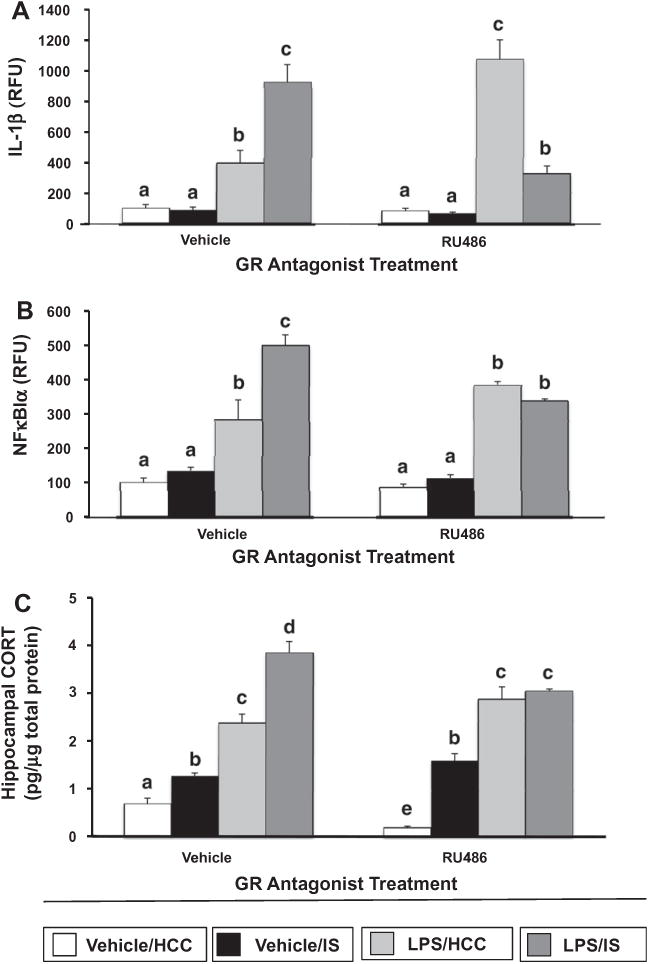
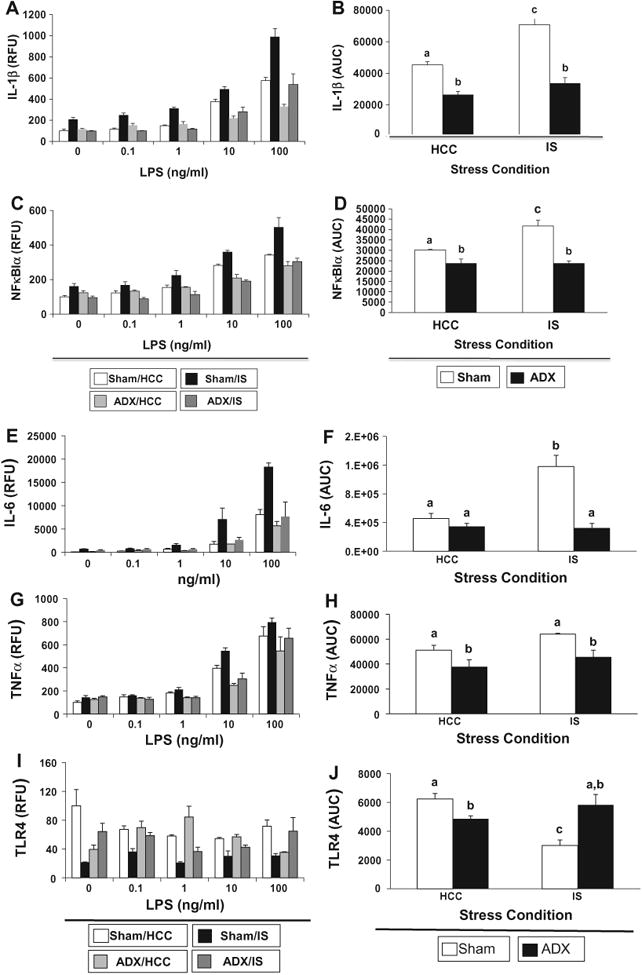
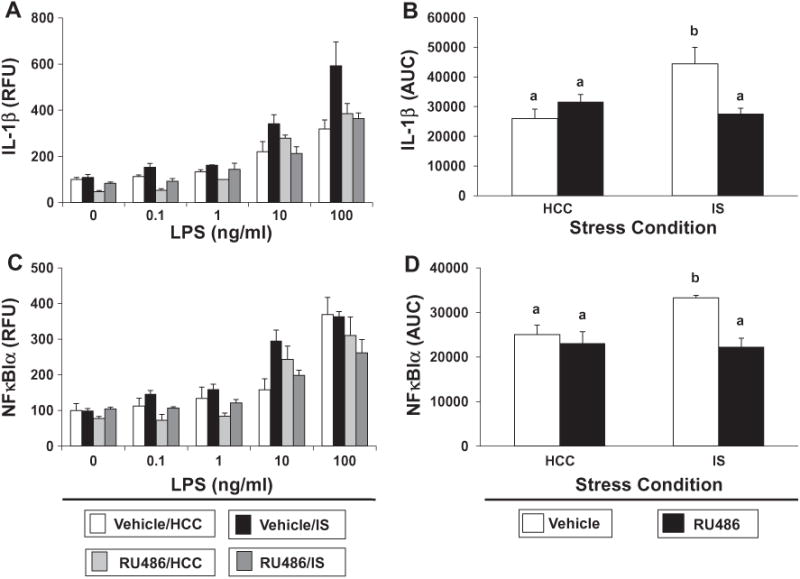
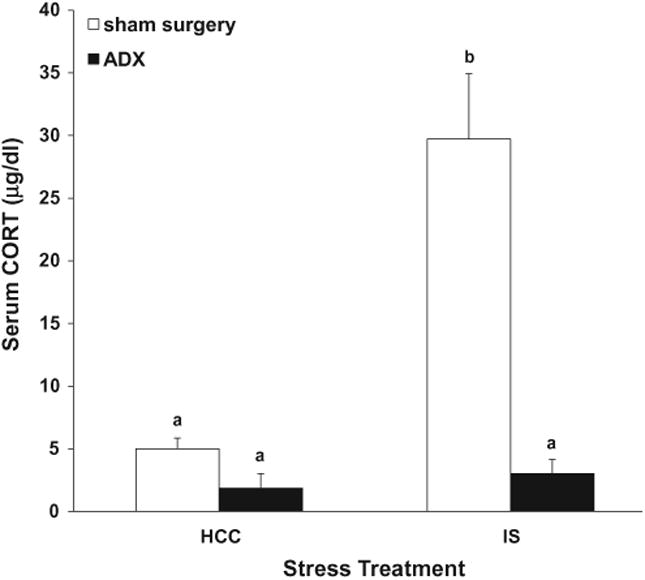
Acute and chronic stress sensitizes or "primes" the neuroinflammatory response to a subsequent pro-inflammatory challenge. While prior evidence shows that glucocorticoids (GCs) play a pivotal role in stress-induced potentiation of neuroinflammatory responses, it remains unclear whether stress-induced GCs sensitize the response of key CNS immune substrates (i.e. microglia) to pro-inflammatory stimuli. An ex vivo approach was used to address this question. Here, stress-induced GC signaling was manipulated in vivo and hippocampal microglia challenged with the pro-inflammatory stimulus LPS ex vivo. Male Sprague-Dawley rats were either pretreated in vivo with the GC receptor antagonist RU486 or adrenalectomized (ADX). Animals were then exposed to an acute stressor (inescapable tailshock; IS) and 24 h later hippocampal microglia were isolated and challenged with LPS to probe for stress-induced sensitization of pro-inflammatory responses. Prior exposure to IS resulted in a potentiated pro-inflammatory cytokine response (e.g. IL-1β gene expression) to LPS in isolated microglia. Treatment in vivo with RU486 and ADX inhibited or completely blocked this IS-induced sensitization of the microglial pro-inflammatory response. The present results suggest that stress-induced GCs function to sensitize the microglial pro-inflammatory response (IL-1β, IL-6, NFκBIα) to immunologic challenges.
急性和慢性应激会使神经炎症反应对随后的促炎刺激产生敏感或“致敏”。虽然先前的证据表明糖皮质激素(GCs)在应激诱导的神经炎症反应增强中起着关键作用,但尚不清楚应激诱导的 GCs 是否会使中枢神经系统(CNS)免疫底物(即小胶质细胞)对促炎刺激的反应变得敏感。一种离体方法被用来解决这个问题。在这里,体内操纵应激诱导的 GC 信号转导,并在离体情况下用促炎刺激物 LPS 挑战海马小胶质细胞。雄性 Sprague-Dawley 大鼠预先用 GC 受体拮抗剂 RU486 处理或进行肾上腺切除术(ADX)。然后,动物暴露于急性应激源(不可逃避的尾部电击;IS),24 小时后分离海马小胶质细胞并用 LPS 进行挑战,以探测应激诱导的促炎反应的敏化作用。先前暴露于 IS 会导致分离的小胶质细胞中促炎细胞因子反应(例如 IL-1β 基因表达)增强。体内用 RU486 和 ADX 处理会抑制或完全阻断 IS 诱导的小胶质细胞促炎反应的敏化作用。本研究结果表明,应激诱导的 GCs 可使小胶质细胞的促炎反应(IL-1β、IL-6、NFκBIα)对免疫挑战变得敏感。