Chauffert B, Pelletier H, Corda C, Solary E, Bedenne L, Caillot D, Martin F
Research Group on Digestive Cancers, INSERM U.252, Dijon, France.
Br J Cancer. 1990 Sep;62(3):395-7. doi: 10.1038/bjc.1990.305.
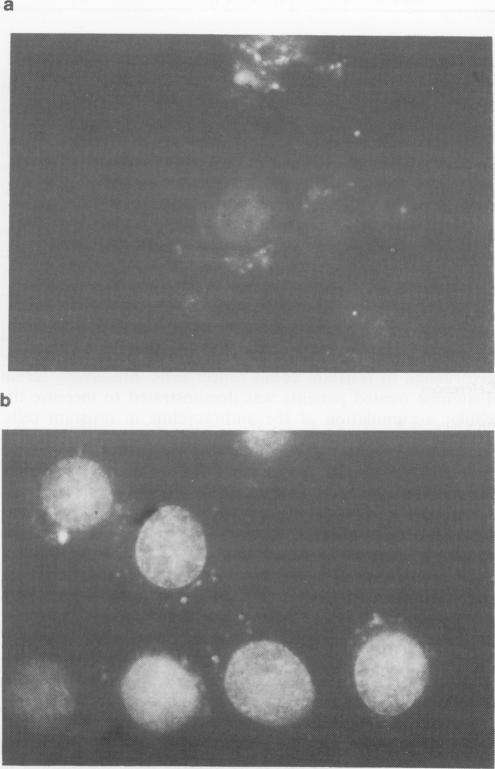
Quinine, the widely used antimalaria agent, was found to increase the cytotoxicity of epideoxorubicin (epiDXR) in resistant DHD/K12 rat colon cancer cells in vitro. Quinine appeared as slightly less effective than quinidine or verapamil for anthracycline potentiation but its weaker cardiotoxicity could counterbalance this disadvantage in vivo. Serum from six patients treated by conventional doses of quinine (25-30 mg kg-1 day-1) was demonstrated to enhance the accumulation of epiDXR in DHD/K12 cells as judged by fluorescence microscopy and HPLC assay (1.6 to 6-fold compared with control serum). In this patients quinine concentrations in serum ranged from 4.4 to 10.1 micrograms ml-1. Our results suggest that quinine could be safely used as anthracycline resistance modifier in clinical practice.
广泛使用的抗疟药奎宁被发现可在体外增强表柔比星(epiDXR)对耐药性DHD/K12大鼠结肠癌细胞的细胞毒性。在增强蒽环类药物作用方面,奎宁的效果似乎略逊于奎尼丁或维拉帕米,但其较弱的心脏毒性可在体内抵消这一劣势。通过荧光显微镜和高效液相色谱分析判断,接受常规剂量奎宁(25 - 30毫克/千克/天)治疗的6名患者的血清可增强epiDXR在DHD/K12细胞中的蓄积(与对照血清相比增加1.6至6倍)。这些患者血清中的奎宁浓度范围为4.4至10.1微克/毫升。我们的结果表明,奎宁在临床实践中可安全用作蒽环类药物耐药调节剂。