Division of Endocrinology, Department of Pediatrics, University of Florida College of Medicine, Gainesville, Florida, USA,
Diabetes Ther. 2010 Dec;1(2):103-20. doi: 10.1007/s13300-010-0008-2. Epub 2011 Jan 12.
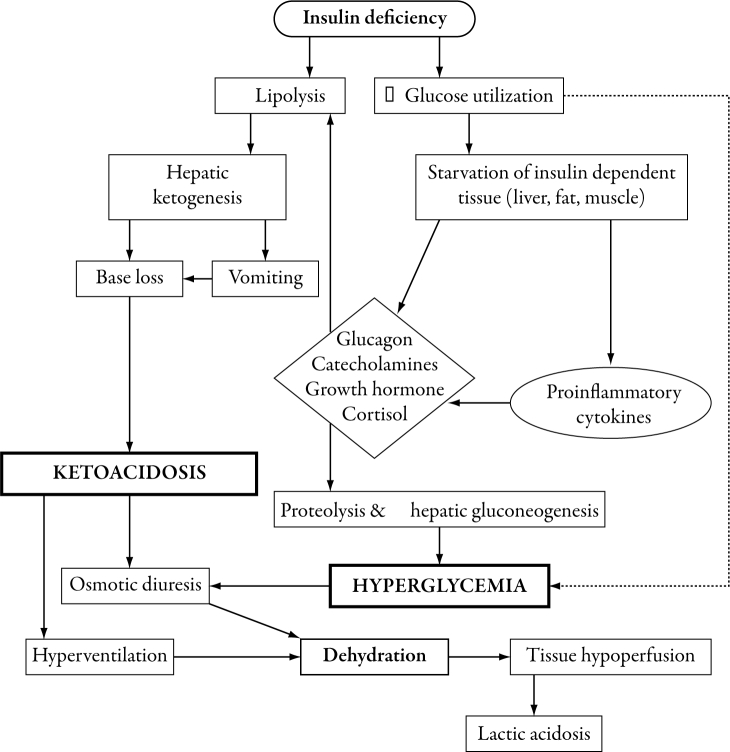
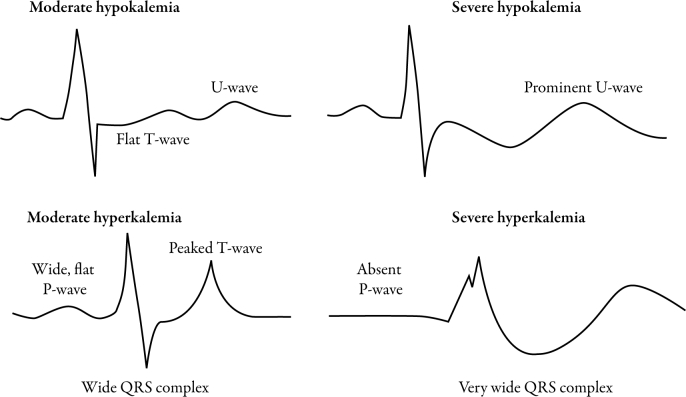
The object of this review is to provide the definitions, frequency, risk factors, pathophysiology, diagnostic considerations, and management recommendations for diabetic ketoacidosis (DKA) in children and adolescents, and to convey current knowledge of the causes of permanent disability or mortality from complications of DKA or its management, particularly the most common complication, cerebral edema (CE). DKA frequency at the time of diagnosis of pediatric diabetes is 10%-70%, varying with the availability of healthcare and the incidence of type 1 diabetes (T1D) in the community. Recurrent DKA rates are also dependent on medical services and socioeconomic circumstances. Management should be in centers with experience and where vital signs, neurologic status, and biochemistry can be monitored with sufficient frequency to prevent complications or, in the case of CE, to intervene rapidly with mannitol or hypertonic saline infusion. Fluid infusion should precede insulin administration (0.1 U/kg/h) by 1-2 hours; an initial bolus of 10-20 mL/kg 0.9% saline is followed by 0.45% saline calculated to supply maintenance and replace 5%-10% dehydration. Potassium (K) must be replaced early and sufficiently. Bicarbonate administration is contraindicated. The prevention of DKA at onset of diabetes requires an informed community and high index of suspicion; prevention of recurrent DKA, which is almost always due to insulin omission, necessitates a committed team effort.
这篇综述的目的是提供儿童和青少年糖尿病酮症酸中毒(DKA)的定义、频率、危险因素、病理生理学、诊断注意事项和管理建议,并传达目前关于 DKA 并发症或其管理导致永久性残疾或死亡的原因的知识,特别是最常见的并发症——脑水肿(CE)。在诊断儿童糖尿病时,DKA 的频率为 10%-70%,具体取决于医疗保健的可用性和社区 1 型糖尿病(T1D)的发病率。复发性 DKA 的发生率也取决于医疗服务和社会经济情况。管理应在有经验的中心进行,在这些中心可以足够频繁地监测生命体征、神经状态和生物化学,以预防并发症,或在发生 CE 的情况下,迅速用甘露醇或高渗盐水输注进行干预。在开始胰岛素输注(0.1 U/kg/h)前,应先进行 1-2 小时的液体输注;最初给予 10-20 mL/kg 的 0.9%生理盐水,然后计算出 0.45%的生理盐水,以提供维持液并补充 5%-10%的脱水。必须早期且充分补充钾(K)。禁忌使用碳酸氢盐。在糖尿病发病时预防 DKA 需要社区知情和高度怀疑;预防复发性 DKA,这几乎总是由于胰岛素遗漏引起,需要一个坚定的团队努力。