Bentzen Bo Hjorth, Grunnet Morten
NeuroSearch A/S, Pederstrupvej 93, 2750 Ballerup, Denmark.
Adv Pharmacol Sci. 2011;2011:578273. doi: 10.1155/2011/578273. Epub 2011 Nov 17.
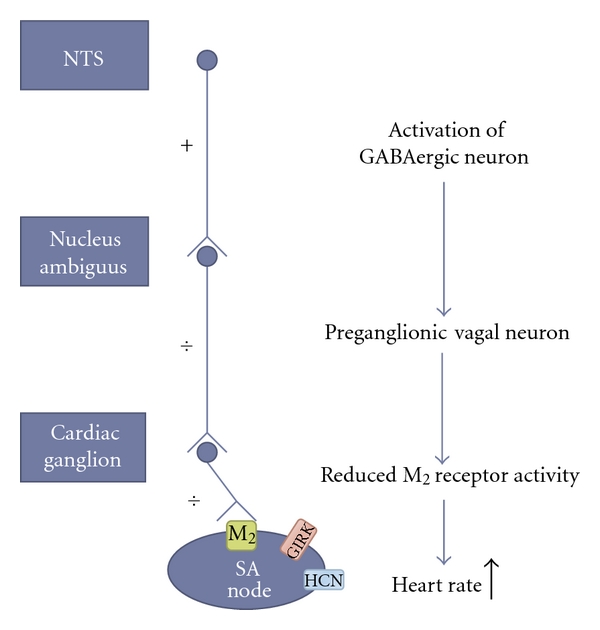
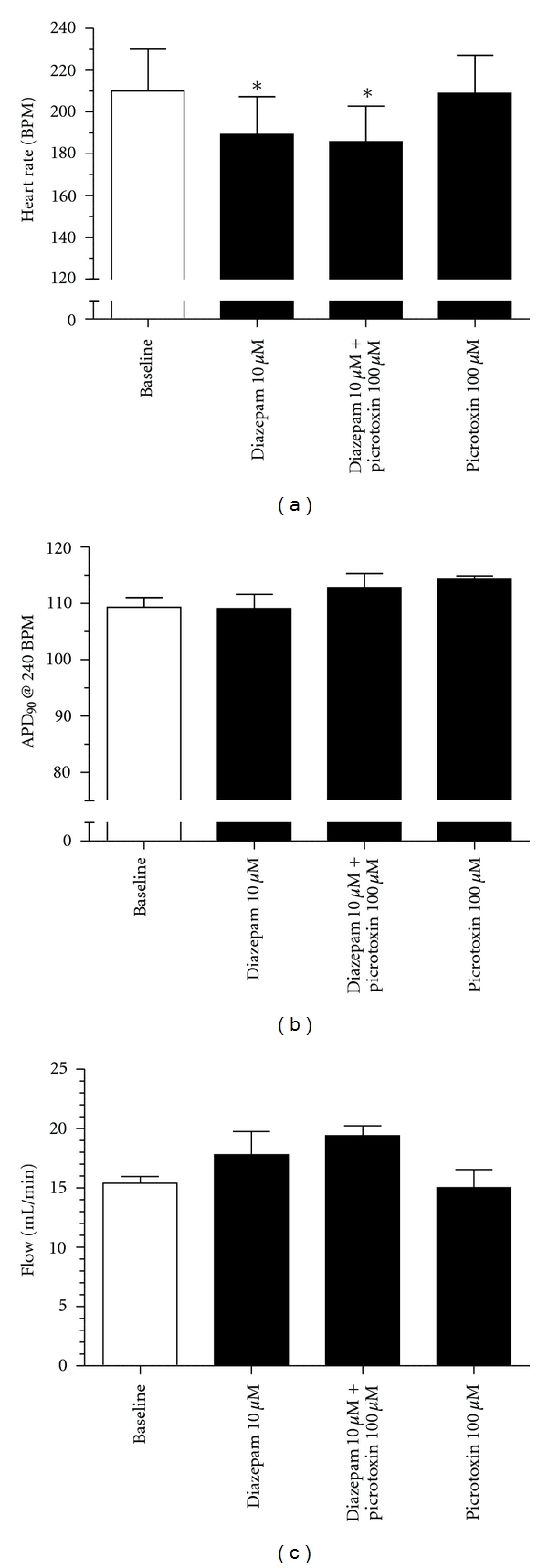
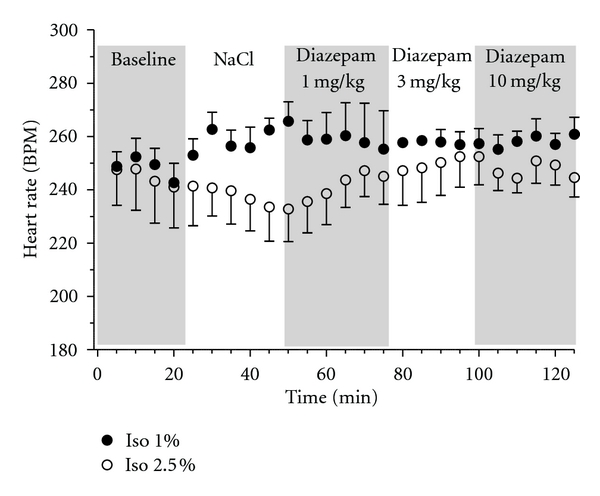
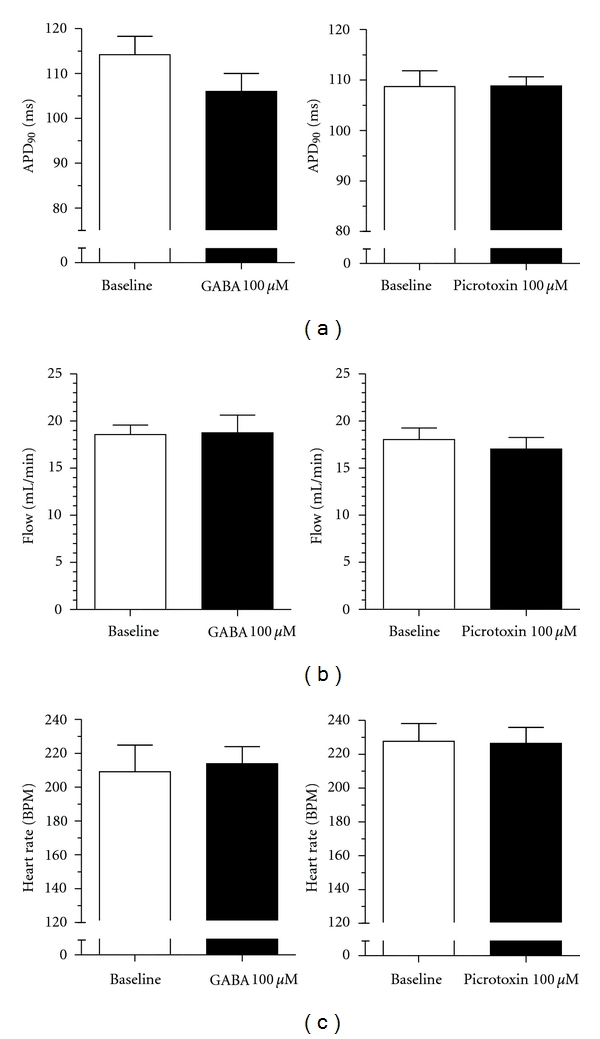
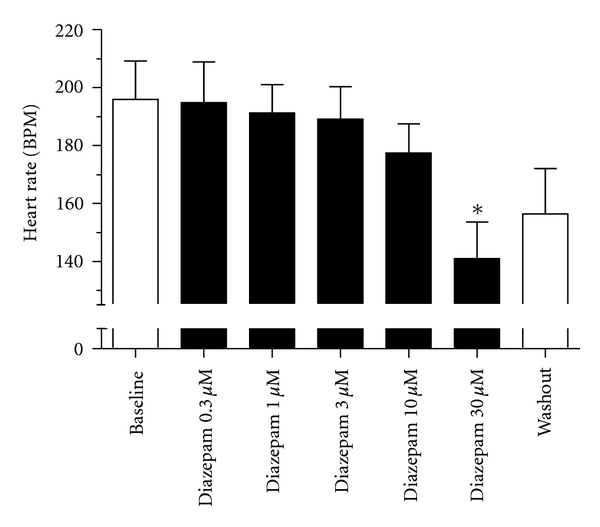
Intuitively one might expect that activation of GABAergic inhibitory neurons results in bradycardia. In conscious animals the opposite effect is however observed. GABAergic neurons in nucleus ambiguus hold the ability to control the activity of the parasympathetic vagus nerve that innervates the heart. Upon GABA activation the vagus nerve will be inhibited leaving less parasympathetic impact on the heart. The picture is however blurred in the presence of anaesthesia where both the concentration and type of anaesthetics can result in different effects on the cardiovascular system. This paper reviews cardiovascular outcomes of GABA activation and includes own experiments on anaesthetized animals and isolated hearts. In conclusion, the impact of changes in GABAergic input is very difficult to predict in these settings, emphasizing the need for experiments performed in conscious animals when aiming at determining the cardiovascular effects of compounds acting on GABAergic neurons.
直观地说,人们可能会认为GABA能抑制性神经元的激活会导致心动过缓。然而,在清醒动物中观察到的却是相反的效果。疑核中的GABA能神经元具有控制支配心脏的副交感迷走神经活动的能力。GABA激活后,迷走神经将受到抑制,从而减少副交感神经对心脏的影响。然而,在麻醉状态下情况就变得模糊了,麻醉剂的浓度和类型都会对心血管系统产生不同的影响。本文综述了GABA激活对心血管系统的影响,并纳入了我们自己对麻醉动物和离体心脏所做的实验。总之,在这些情况下,很难预测GABA能输入变化的影响,这突出表明,在旨在确定作用于GABA能神经元的化合物对心血管系统的影响时,需要在清醒动物身上进行实验。