Department of Biochemistry, University of Würzburg, 97074 Würzburg, Germany.
J Transl Med. 2012 Jan 11;10:9. doi: 10.1186/1479-5876-10-9.
Combination of oncolytic vaccinia virus therapy with conventional chemotherapy has shown promise for tumor therapy. However, side effects of chemotherapy including thrombocytopenia, still remain problematic.
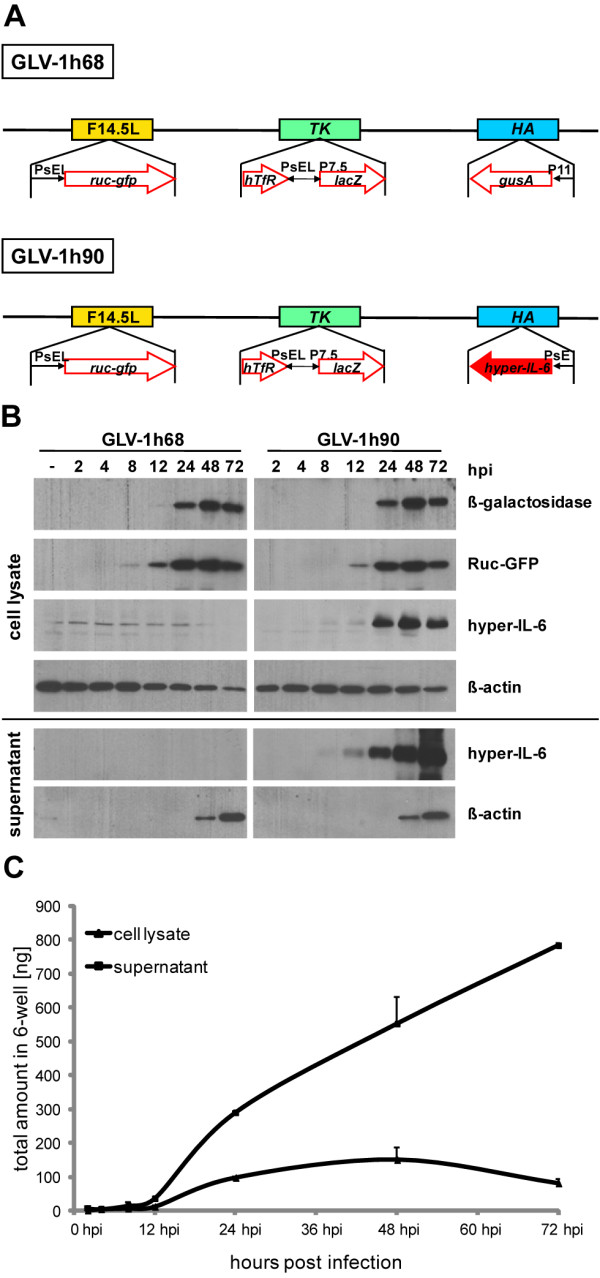
Here, we describe a novel approach to optimize combination therapy of oncolytic virus and chemotherapy utilizing virus-encoding hyper-IL-6, GLV-1h90, to reduce chemotherapy-associated side effects.
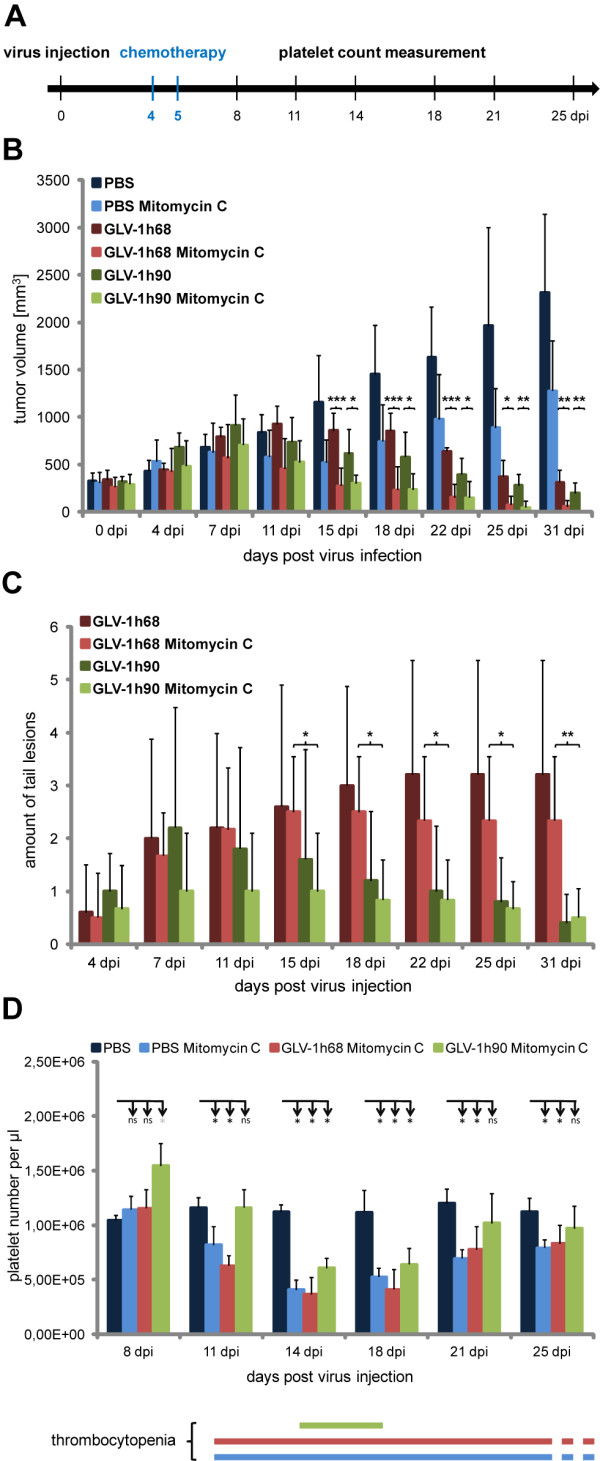
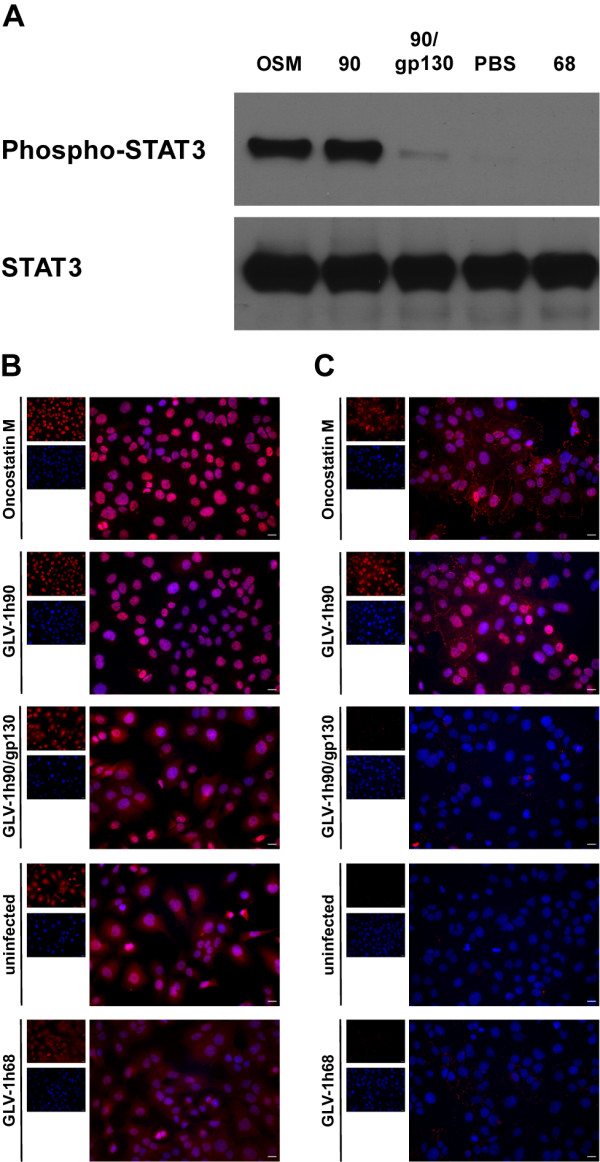
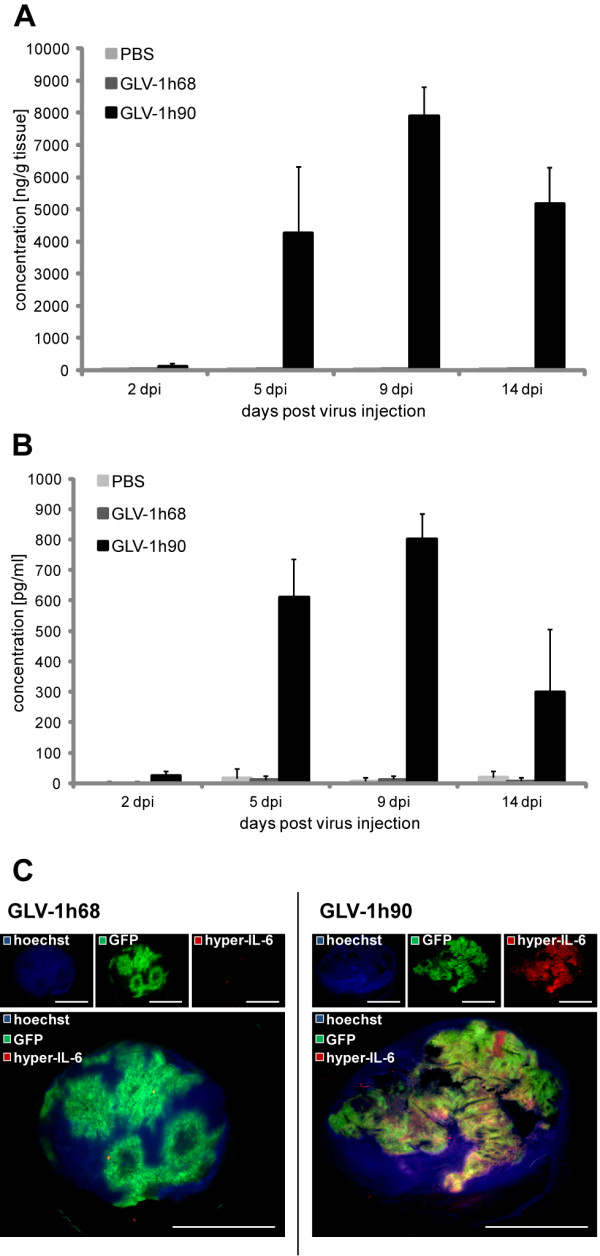
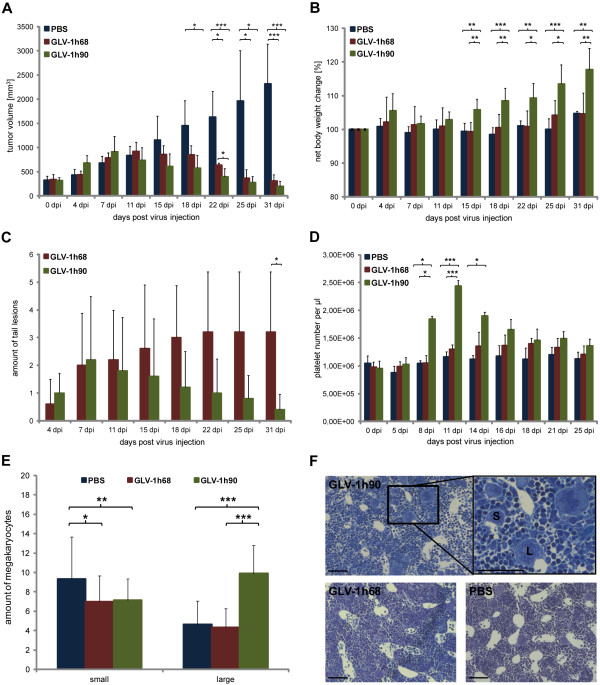
We showed that the hyper-IL-6 cytokine was successfully produced by GLV-1h90 and was functional both in cell culture as well as in tumor-bearing animals, in which the cytokine-producing vaccinia virus strain was well tolerated. When combined with the chemotherapeutic mitomycin C, the anti-tumor effect of the oncolytic virotherapy was significantly enhanced. Moreover, hyper-IL-6 expression greatly reduced the time interval during which the mice suffered from chemotherapy-induced thrombocytopenia.
Therefore, future clinical application would benefit from careful investigation of additional cytokine treatment to reduce chemotherapy-induced side effects.
溶瘤痘病毒治疗联合常规化疗在肿瘤治疗方面显示出良好的前景。然而,化疗的副作用,包括血小板减少症,仍然是一个问题。
在这里,我们描述了一种利用病毒编码高白细胞介素 6(hyper-IL-6)、GLV-1h90 优化溶瘤病毒和化疗联合治疗的新方法,以减少化疗相关的副作用。
我们表明,高白细胞介素 6 细胞因子可由 GLV-1h90 成功产生,在细胞培养和荷瘤动物中均具有功能,其中细胞因子产生的痘病毒株具有良好的耐受性。当与化疗药物丝裂霉素 C 联合使用时,溶瘤病毒治疗的抗肿瘤作用显著增强。此外,高白细胞介素 6 的表达大大减少了小鼠发生化疗诱导血小板减少症的时间间隔。
因此,未来的临床应用将受益于仔细研究额外的细胞因子治疗,以减少化疗引起的副作用。