Shanghai Key Laboratory of Signaling and Disease Research, School of Life Sciences and Technology, Tongji University, China.
Acta Pharmacol Sin. 2012 Mar;33(3):372-84. doi: 10.1038/aps.2011.173. Epub 2012 Jan 23.
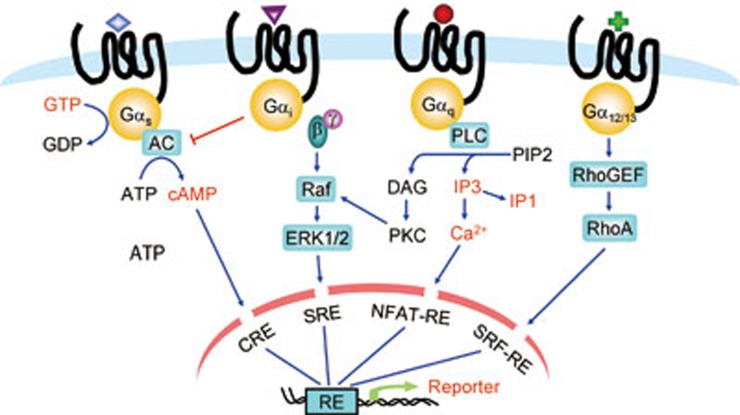
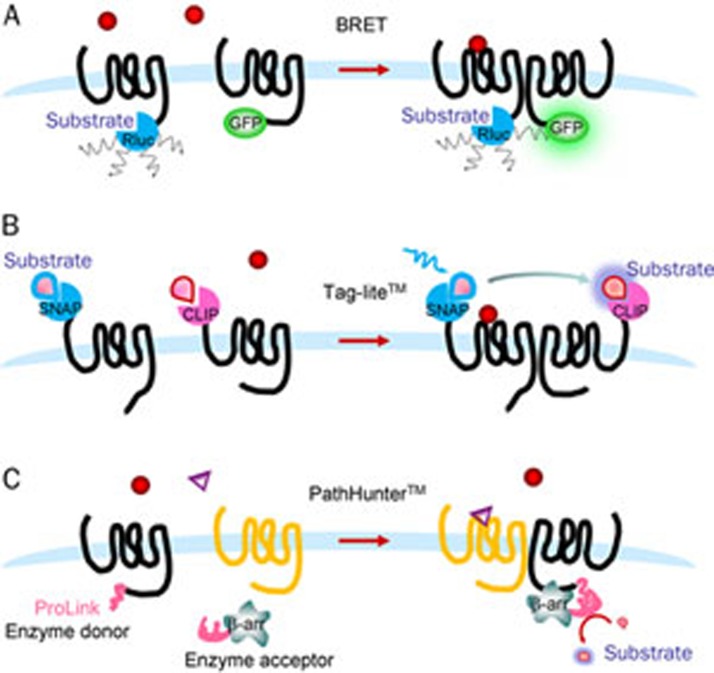
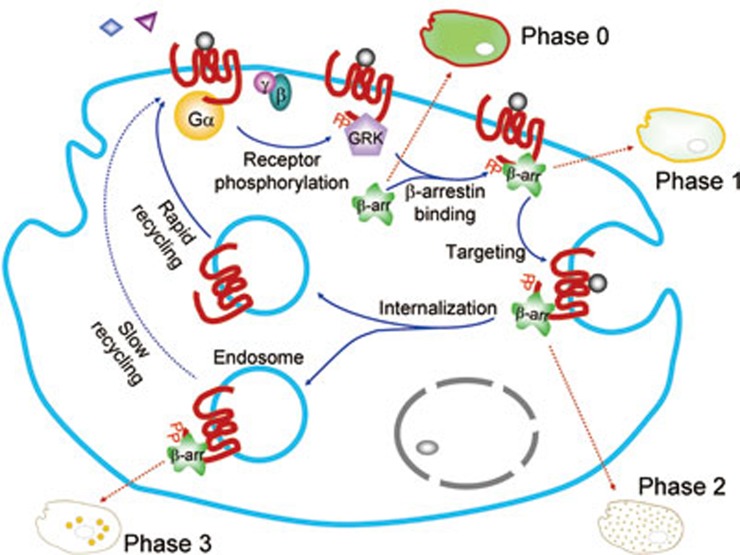
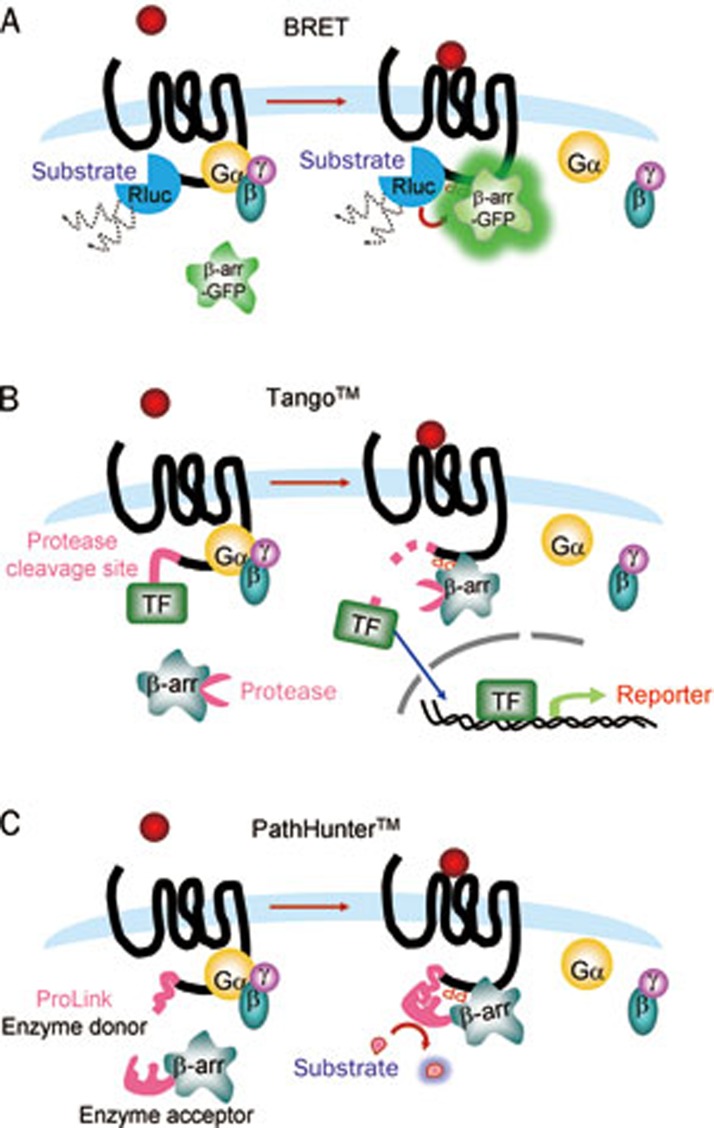
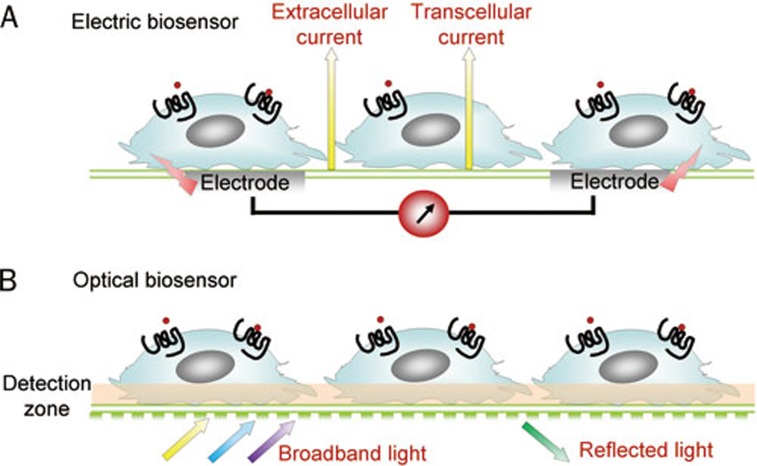
G-protein-coupled receptors (GPCRs) mediate many important physiological functions and are considered as one of the most successful therapeutic targets for a broad spectrum of diseases. The design and implementation of high-throughput GPCR assays that allow the cost-effective screening of large compound libraries to identify novel drug candidates are critical in early drug discovery. Early functional GPCR assays depend primarily on the measurement of G-protein-mediated 2nd messenger generation. Taking advantage of the continuously deepening understanding of GPCR signal transduction, many G-protein-independent pathways are utilized to detect the activity of GPCRs, and may provide additional information on functional selectivity of candidate compounds. With the combination of automated imaging systems and label-free detection systems, such assays are now suitable for high-throughput screening (HTS). In this review, we summarize the most widely used GPCR assays and recent advances in HTS technologies for GPCR drug discovery.
G 蛋白偶联受体(GPCRs)介导许多重要的生理功能,被认为是广谱疾病的最成功的治疗靶点之一。设计和实施高通量 GPCR 测定法,以允许经济有效地筛选大量化合物文库,从而鉴定新的药物候选物,这在早期药物发现中至关重要。早期的功能性 GPCR 测定法主要依赖于 G 蛋白介导的第二信使生成的测量。利用对 GPCR 信号转导的不断深入了解,许多不依赖 G 蛋白的途径被用于检测 GPCR 的活性,并且可能为候选化合物的功能选择性提供更多信息。随着自动化成像系统和无标记检测系统的结合,这些测定法现在适用于高通量筛选(HTS)。在这篇综述中,我们总结了最广泛使用的 GPCR 测定法以及用于 GPCR 药物发现的 HTS 技术的最新进展。