MRC Centre for Immune Regulation, Institute of Biomedical Research, Birmingham University Medical School, Birmingham, United Kingdom.
PLoS One. 2012;7(1):e30128. doi: 10.1371/journal.pone.0030128. Epub 2012 Jan 19.
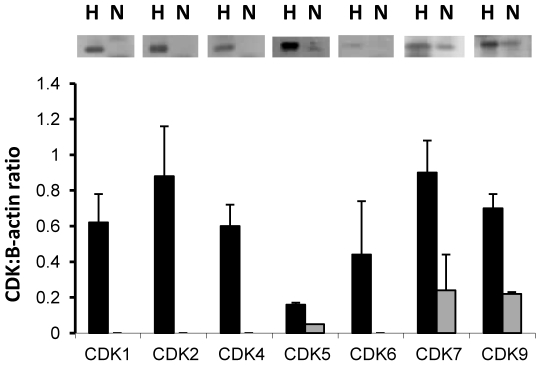
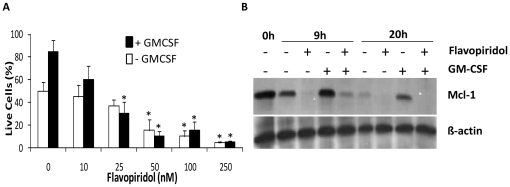
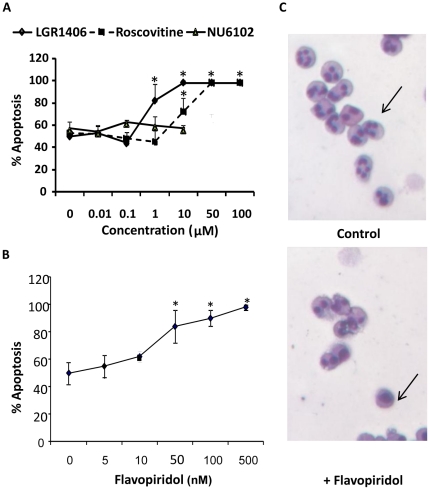
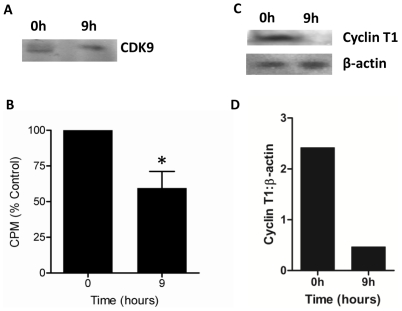
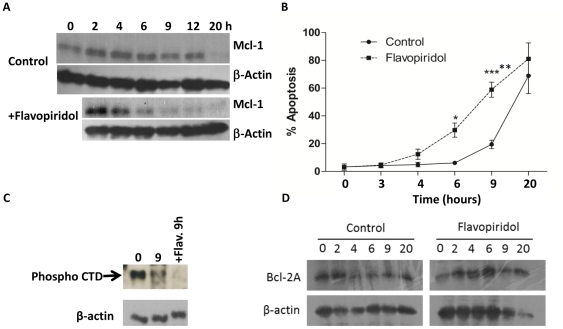
Neutrophils are the most abundant leukocyte and play a central role in the immune defense against rapidly dividing bacteria. However, they are also the shortest lived cell in the blood with a lifespan in the circulation of 5.4 days. The mechanisms underlying their short lifespan and spontaneous entry into apoptosis are poorly understood. Recently, the broad range cyclin-dependent kinase (CDK) inhibitor R-roscovitine was shown to increase neutrophil apoptosis, implicating CDKs in the regulation of neutrophil lifespan. To determine which CDKs were involved in regulating neutrophil lifespan we first examined CDK expression in human neutrophils and found that only three CDKs: CDK5, CDK7 and CDK9 were expressed in these cells. The use of CDK inhibitors with differing selectivity towards the various CDKs suggested that CDK9 activity regulates neutrophil lifespan. Furthermore CDK9 activity and the expression of its activating partner cyclin T1 both declined as neutrophils aged and entered apoptosis spontaneously. CDK9 is a component of the P-TEFb complex involved in transcriptional regulation and its inhibition will preferentially affect proteins with short half-lives. Treatment of neutrophils with flavopiridol, a potent CDK9 inhibitor, increased apoptosis and caused a rapid decline in the level of the anti-apoptotic protein Mcl-1, whilst Bcl2A was unaffected. We propose that CDK9 activity is a key regulator of neutrophil lifespan, preventing apoptosis by maintaining levels of short lived anti-apoptotic proteins such as Mcl-1. Furthermore, as inappropriate inhibition of neutrophil apoptosis contributes to chronic inflammatory diseases such as Rheumatoid Arthritis, CDK9 represents a novel therapeutic target in such diseases.
中性粒细胞是最丰富的白细胞,在免疫防御中起着核心作用,对抗快速分裂的细菌。然而,它们也是血液中寿命最短的细胞,在循环中的寿命为 5.4 天。其寿命短和自发进入细胞凋亡的机制尚未完全清楚。最近,广谱细胞周期蛋白依赖性激酶(CDK)抑制剂 R-roscovitine 被证明可以增加中性粒细胞凋亡,暗示 CDK 参与了中性粒细胞寿命的调节。为了确定哪些 CDK 参与调节中性粒细胞的寿命,我们首先检查了人中性粒细胞中的 CDK 表达,发现只有三种 CDK:CDK5、CDK7 和 CDK9 在这些细胞中表达。使用对各种 CDK 具有不同选择性的 CDK 抑制剂表明,CDK9 活性调节中性粒细胞的寿命。此外,随着中性粒细胞衰老并自发进入凋亡,CDK9 活性及其激活伙伴 cyclin T1 的表达均下降。CDK9 是参与转录调节的 P-TEFb 复合物的组成部分,其抑制将优先影响半衰期短的蛋白质。用 flavopiridol(一种有效的 CDK9 抑制剂)处理中性粒细胞会增加细胞凋亡并导致抗凋亡蛋白 Mcl-1 的水平迅速下降,而 Bcl2A 不受影响。我们提出,CDK9 活性是中性粒细胞寿命的关键调节剂,通过维持短寿命抗凋亡蛋白(如 Mcl-1)的水平来防止细胞凋亡。此外,由于中性粒细胞凋亡的不当抑制会导致类风湿关节炎等慢性炎症性疾病,因此 CDK9 代表了这些疾病中的一个新的治疗靶点。