Department of Medicine, Division of Cardiology, University of Colorado Denver, Aurora, CO, USA.
Circ Res. 2012 Mar 2;110(5):739-48. doi: 10.1161/CIRCRESAHA.111.258426. Epub 2012 Jan 26.
Histone deacetylase (HDAC) inhibitors are efficacious in models of hypertension-induced left ventricular heart failure. The consequences of HDAC inhibition in the context of pulmonary hypertension with associated right ventricular cardiac remodeling are poorly understood.
This study was performed to assess the utility of selective small-molecule inhibitors of class I HDACs in a preclinical model of pulmonary hypertension.
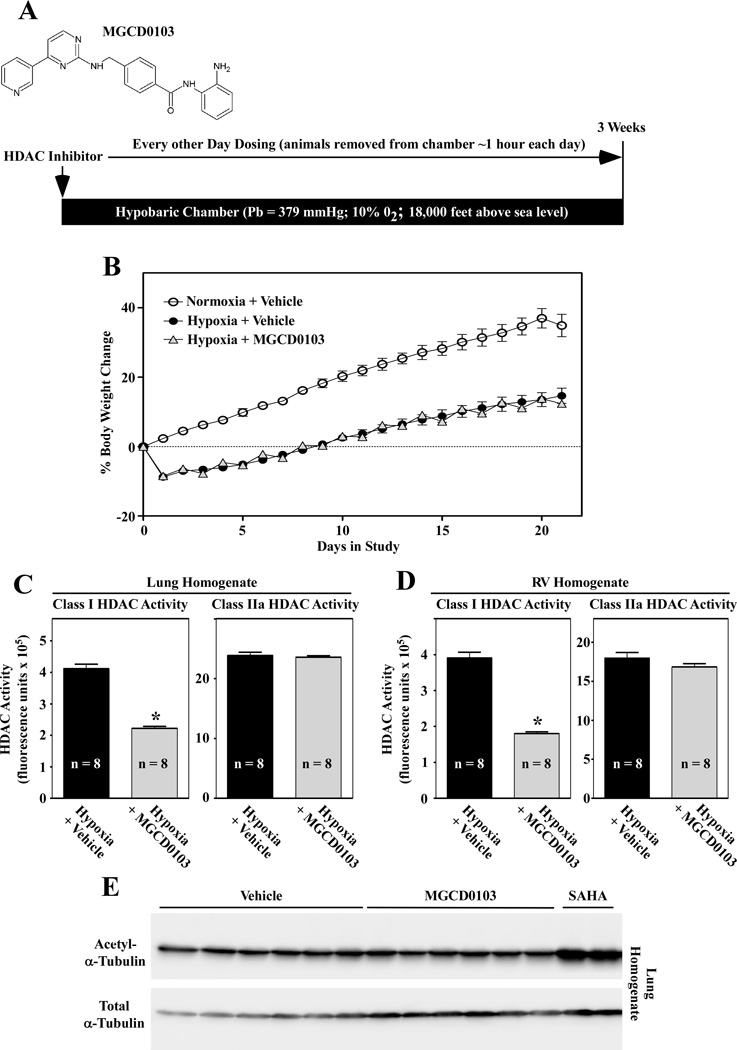
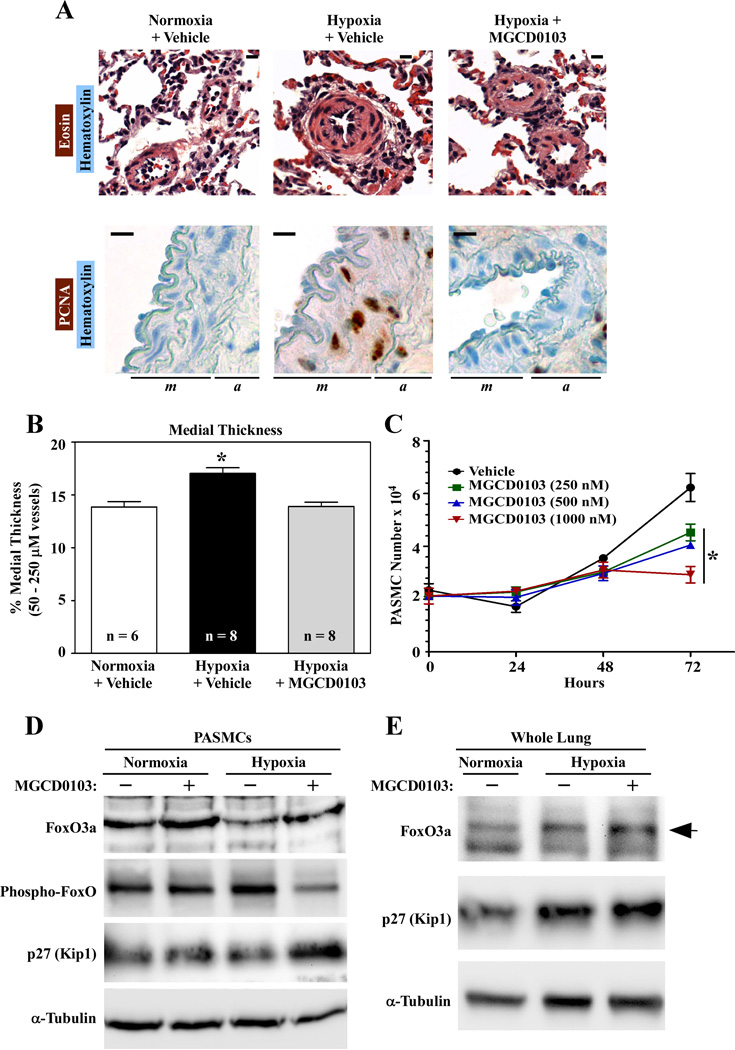
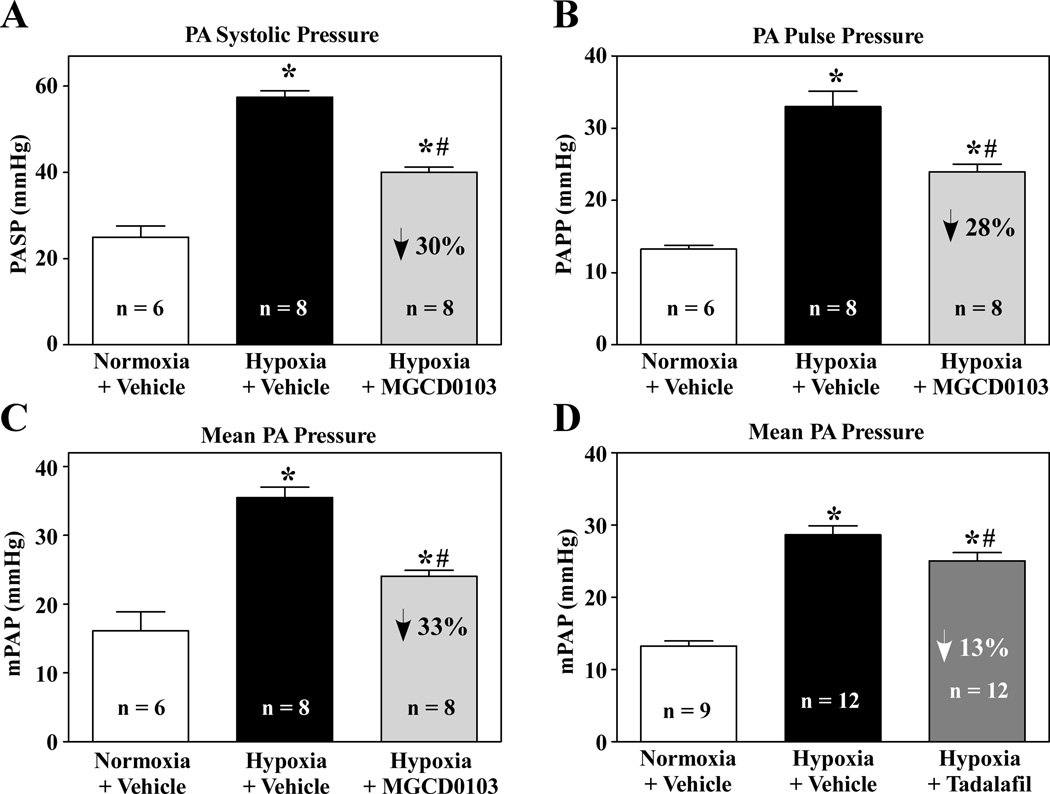
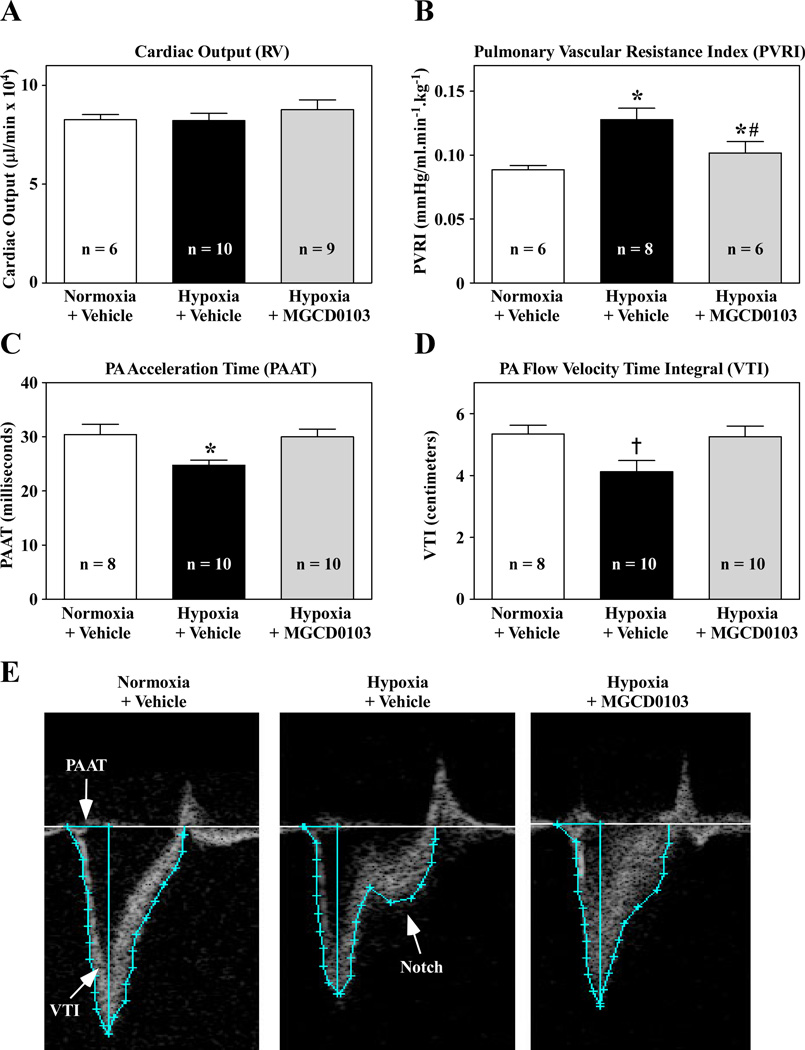
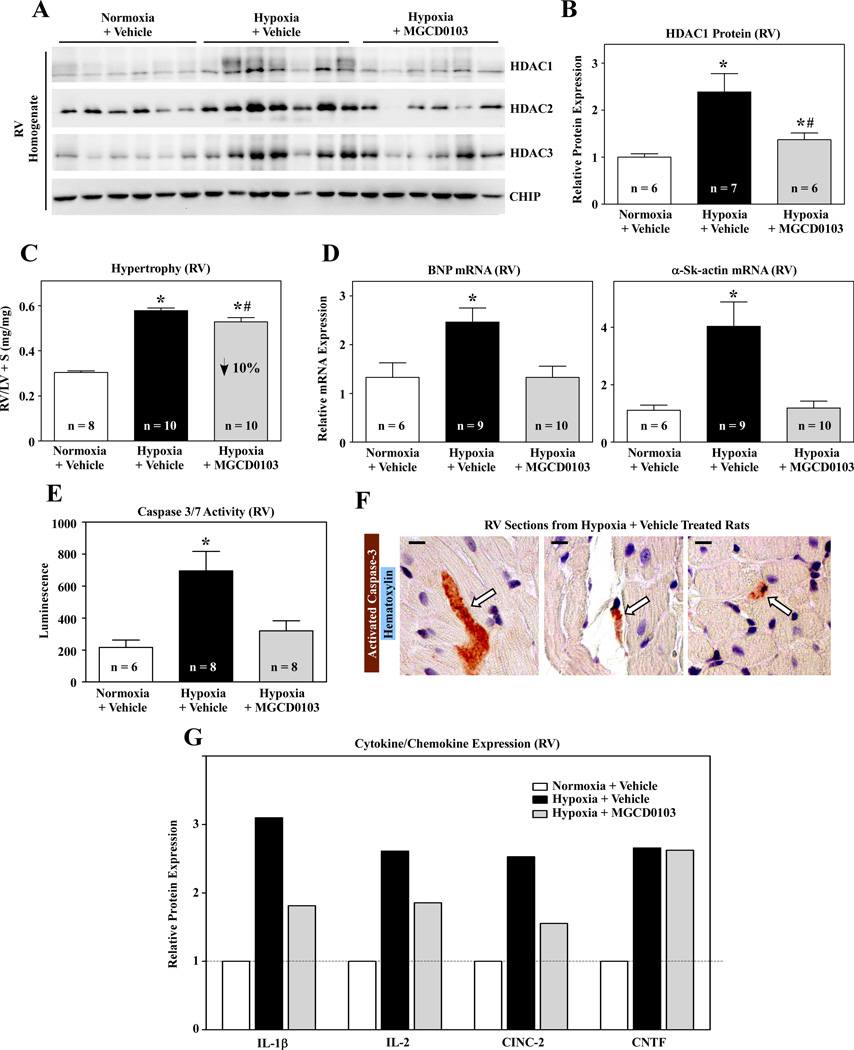
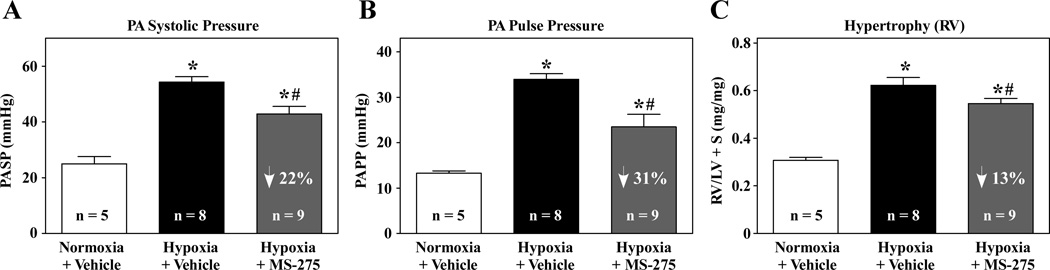
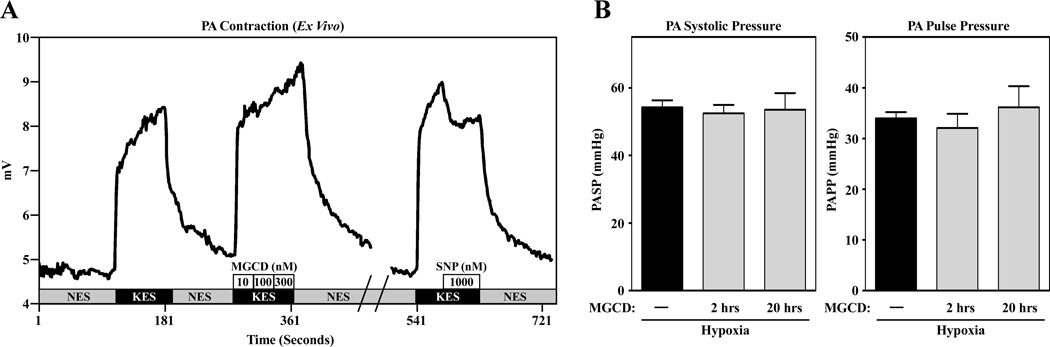
Rats were exposed to hypobaric hypoxia for 3 weeks in the absence or presence of a benzamide HDAC inhibitor, MGCD0103, which selectively inhibits class I HDACs 1, 2, and 3. The compound reduced pulmonary arterial pressure more dramatically than tadalafil, a standard-of-care therapy for human pulmonary hypertension that functions as a vasodilator. MGCD0103 improved pulmonary artery acceleration time and reduced systolic notching of the pulmonary artery flow envelope, which suggests a positive impact of the HDAC inhibitor on pulmonary vascular remodeling and stiffening. Similar results were obtained with an independent class I HDAC-selective inhibitor, MS-275. Reduced pulmonary arterial pressure in MGCD0103-treated animals was associated with blunted pulmonary arterial wall thickening because of suppression of smooth muscle cell proliferation. Right ventricular function was maintained in MGCD0103-treated animals. Although the class I HDAC inhibitor only modestly reduced right ventricular hypertrophy, it had multiple beneficial effects on the right ventricle, which included suppression of pathological gene expression, inhibition of proapoptotic caspase activity, and repression of proinflammatory protein expression.
By targeting distinct pathogenic mechanisms, isoform-selective HDAC inhibitors have potential as novel therapeutics for pulmonary hypertension that will complement vasodilator standards of care.
组蛋白去乙酰化酶 (HDAC) 抑制剂在高血压诱导的左心室心力衰竭模型中有效。在伴有右心室心脏重构的肺动脉高压背景下,HDAC 抑制的后果知之甚少。
本研究旨在评估选择性 I 类 HDAC 小分子抑制剂在肺动脉高压的临床前模型中的应用。
大鼠在低气压缺氧环境中暴露 3 周,同时或不给予苯甲酰胺 HDAC 抑制剂 MGCD0103。该化合物选择性抑制 I 类 HDAC 1、2 和 3。与作为血管扩张剂的人类肺动脉高压标准治疗药物他达拉非相比,该化合物更显著地降低肺动脉压。MGCD0103 改善肺动脉加速时间并减少肺动脉血流包络的收缩切迹,这表明 HDAC 抑制剂对肺血管重塑和僵硬有积极影响。独立的 I 类 HDAC 选择性抑制剂 MS-275 也获得了类似的结果。MGCD0103 治疗动物的肺动脉压降低与肺动脉壁增厚减弱有关,因为平滑肌细胞增殖受到抑制。MGCD0103 治疗动物的右心室功能得以维持。尽管 I 类 HDAC 抑制剂仅适度降低右心室肥大,但它对右心室有多种有益影响,包括抑制病理性基因表达、抑制促凋亡半胱氨酸酶活性和抑制促炎蛋白表达。
通过针对不同的致病机制,同种型选择性 HDAC 抑制剂有可能成为肺动脉高压的新型治疗药物,将补充血管扩张剂的标准治疗方法。