Department of Neurology, Columbia University, 650 W 168th St., New York, NY, 10032, USA.
Exp Neurol. 2013 Aug;246:72-83. doi: 10.1016/j.expneurol.2012.01.011. Epub 2012 Jan 18.
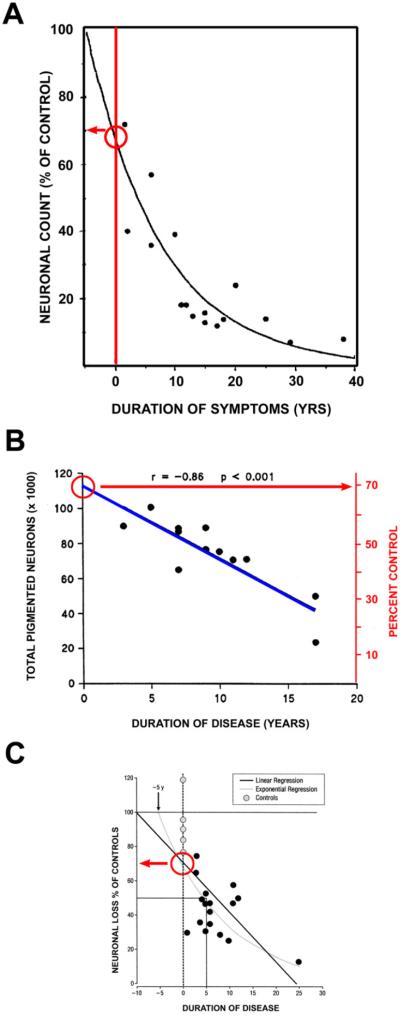
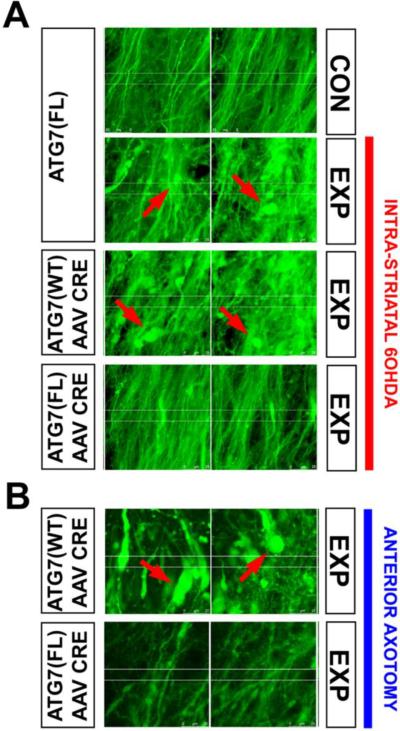
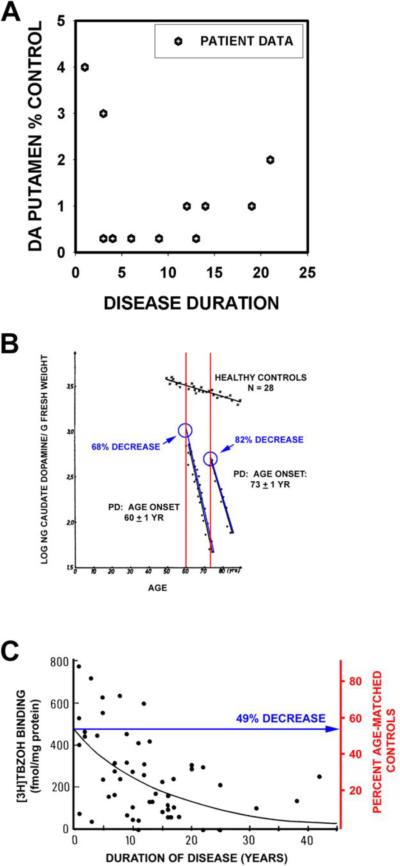
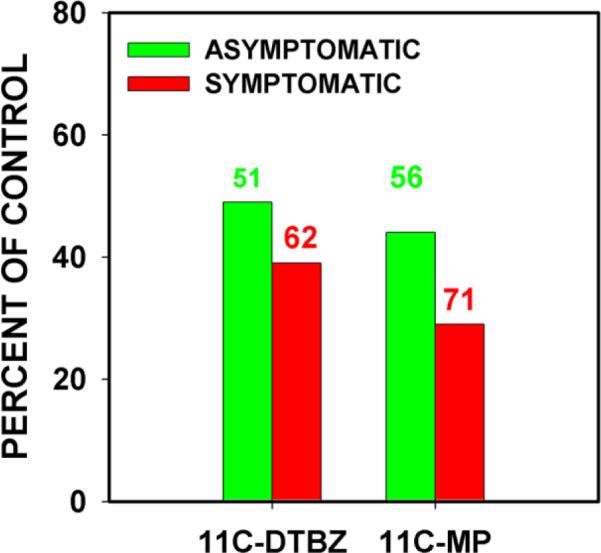
Parkinson's disease (PD) is the most common neurodegenerative disease of the basal ganglia. Like other adult-onset neurodegenerative disorders, it is without a treatment that forestalls its chronic progression. Efforts to develop disease-modifying therapies to date have largely focused on the prevention of degeneration of the neuron soma, with the tacit assumption that such approaches will forestall axon degeneration as well. We herein propose that future efforts to develop neuroprotection for PD may benefit from a shift in focus to the distinct mechanisms that underlie axon degeneration. We review evidence from human post-mortem studies, functional neuroimaging, genetic causes of the disease and neurotoxin models that axon degeneration may be the earliest feature of the disease, and it may therefore be the most appropriate target for early intervention. In addition, we present evidence that the molecular mechanisms of degeneration of axons are separate and distinct from those of neuron soma. Progress is being made in understanding these mechanisms, and they provide possible new targets for therapeutic intervention. We also suggest that the potential for axon re-growth in the adult central nervous system has perhaps been underestimated, and it offers new avenues for neurorestoration. In conclusion, we propose that a new focus on the neurobiology of axons, their molecular pathways of degeneration and growth, will offer novel opportunities for neuroprotection and restoration in the treatment of PD and other neurodegenerative diseases.
帕金森病(PD)是基底神经节中最常见的神经退行性疾病。与其他成人发病的神经退行性疾病一样,目前还没有能够阻止其慢性进展的治疗方法。迄今为止,开发疾病修饰疗法的努力主要集中在预防神经元胞体的变性上,这是一种隐含的假设,即这些方法也将阻止轴突变性。我们在此提出,未来开发 PD 神经保护的努力可能受益于将重点转移到导致轴突变性的不同机制上。我们回顾了来自人体尸检研究、功能神经影像学、疾病的遗传原因和神经毒素模型的证据,这些证据表明轴突变性可能是该疾病的最早特征,因此它可能是早期干预的最适当目标。此外,我们还提供了证据表明,轴突变性的分子机制与神经元胞体的变性机制是分开的。在理解这些机制方面正在取得进展,它们为治疗干预提供了可能的新靶点。我们还提出,成年中枢神经系统中轴突再生的潜力可能被低估了,这为神经修复提供了新的途径。总之,我们提出,新的重点关注轴突的神经生物学、它们的分子退变和生长途径,将为 PD 和其他神经退行性疾病的神经保护和修复提供新的机会。