Division of Immunology, Beckman Research Institute of the City of Hope, Duarte, California, United States of America.
PLoS One. 2012;7(2):e31174. doi: 10.1371/journal.pone.0031174. Epub 2012 Feb 7.
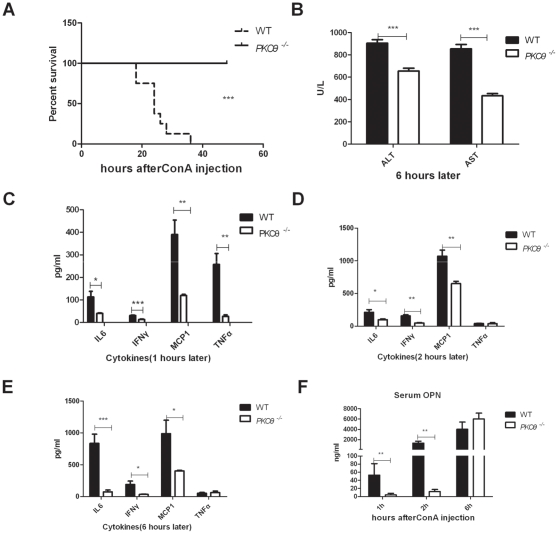
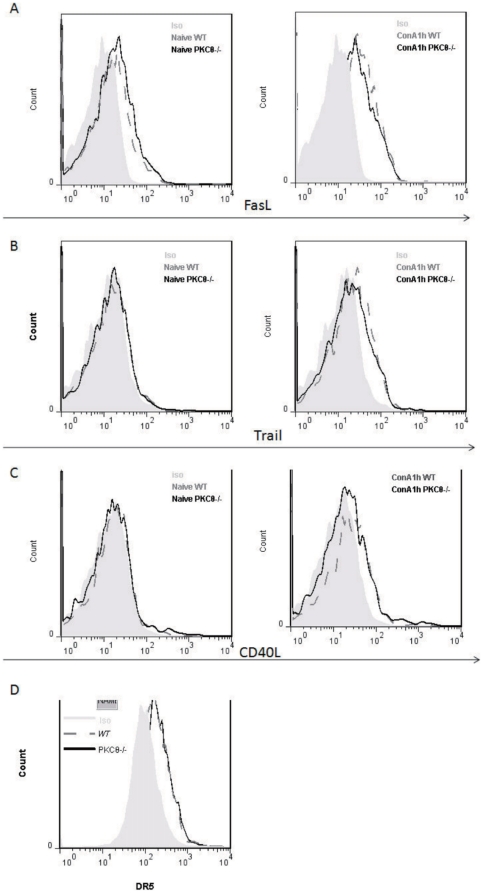
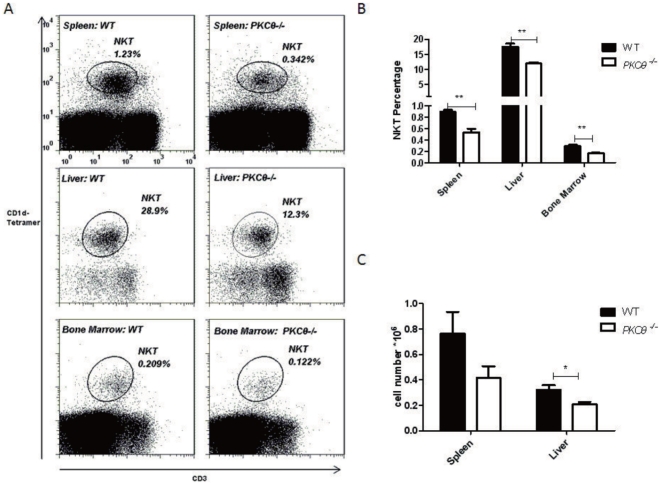
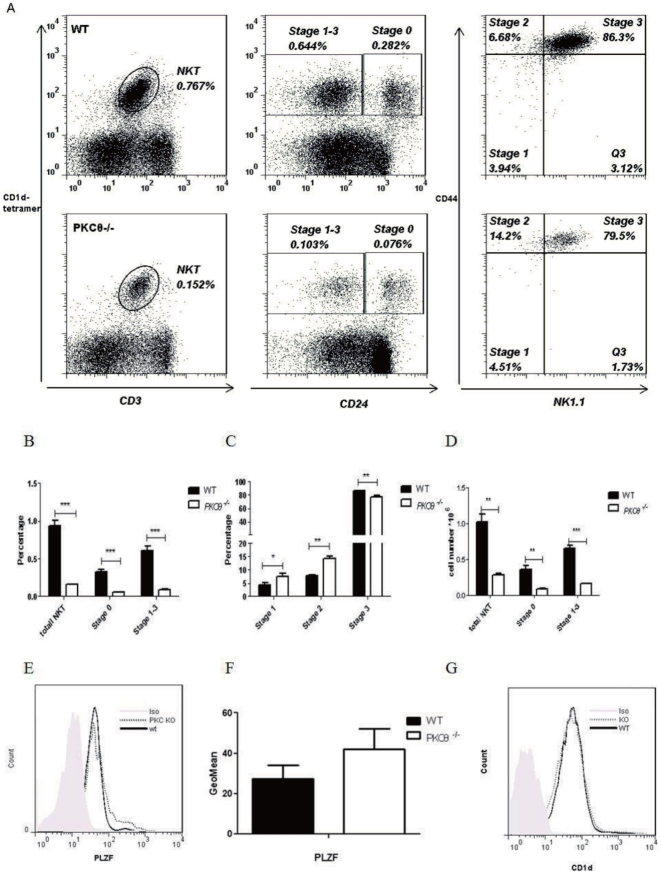
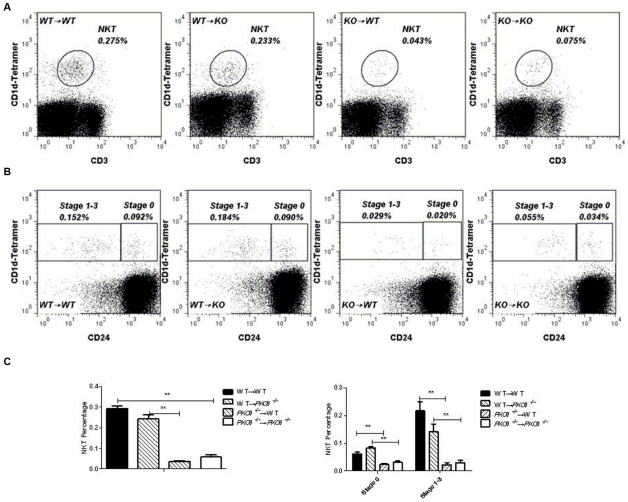
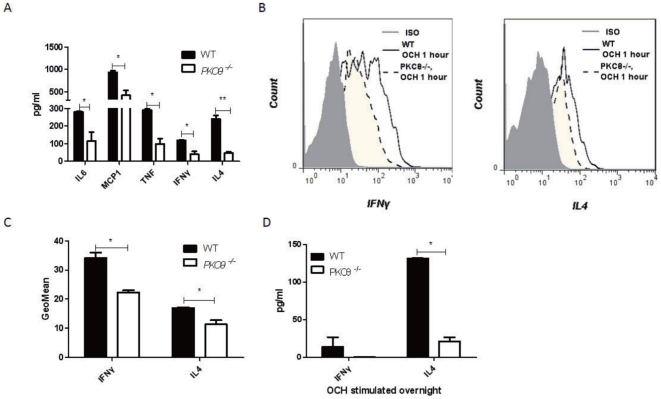
Severe liver injury that occurs when immune cells mistakenly attack an individual's own liver cells leads to autoimmune hepatitis. In mice, acute hepatitis can be induced by concanavalin A (ConA) treatment, which causes rapid activation of CD1d-positive natural killer (NK) T cells. These activated NKT cells produce large amounts of cytokines, which induce strong inflammation that damages liver tissues. Here we show that PKC-θ(-/-) mice were resistant to ConA-induced hepatitis due to essential function of PKC-θ in NKT cell development and activation. A dosage of ConA (25 mg/kg) that was lethal to wild-type (WT) mice failed to induce death resulting from liver injury in PKC-θ(-/-) mice. Correspondingly, ConA-induced production of cytokines such as IFNγ, IL-6, and TNFα, which mediate the inflammation responsible for liver injury, were significantly lower in PKC-θ(-/-) mice. Peripheral NKT cells had developmental defects at early stages in the thymus in PKC-θ(-/-) mice, and as a result their frequency and number were greatly reduced. Furthermore, PKC-θ(-/-) bone marrow adoptively transferred to WT mice displayed similar defects in NKT cell development, suggesting an intrinsic requirement for PKC-θ in NKT cell development. In addition, upon stimulation with NKT cell-specific lipid ligand, peripheral PKC-θ(-/-) NKT cells produced lower levels of inflammatory cytokines than that of WT NKT cells, suggesting that activation of NKT cells also requires PKC-θ. Our results suggest PKC-θ is an essential molecule required for activation of NKT cell to induce hepatitis, and thus, is a potential drug target for prevention of autoimmune hepatitis.
当免疫细胞错误地攻击个体自身的肝细胞时,会导致严重的肝损伤,从而引发自身免疫性肝炎。在小鼠中,使用刀豆蛋白 A(ConA)处理可以诱导急性肝炎,这种处理会导致 CD1d 阳性自然杀伤(NK)T 细胞的快速激活。这些激活的 NKT 细胞会产生大量细胞因子,引发强烈的炎症反应,从而损伤肝组织。在这里,我们发现 PKC-θ(-/-) 小鼠对 ConA 诱导的肝炎具有抗性,这是由于 PKC-θ 在 NKT 细胞发育和激活中的重要作用。对于野生型(WT)小鼠具有致死性的 ConA 剂量(25mg/kg)未能诱导 PKC-θ(-/-) 小鼠因肝损伤导致的死亡。相应地,ConA 诱导的细胞因子(如 IFNγ、IL-6 和 TNFα)的产生,这些细胞因子介导了导致肝损伤的炎症反应,在 PKC-θ(-/-) 小鼠中明显降低。在 PKC-θ(-/-) 小鼠中,早期胸腺中的外周 NKT 细胞发育存在缺陷,因此其频率和数量大大减少。此外,PKC-θ(-/-) 骨髓过继转移到 WT 小鼠中,NKT 细胞发育也存在类似缺陷,这表明 PKC-θ 是 NKT 细胞发育所必需的内在因素。此外,在用 NKT 细胞特异性脂质配体刺激后,外周 PKC-θ(-/-) NKT 细胞产生的炎症细胞因子水平低于 WT NKT 细胞,这表明 NKT 细胞的激活也需要 PKC-θ。我们的结果表明,PKC-θ 是激活 NKT 细胞诱导肝炎所必需的关键分子,因此是预防自身免疫性肝炎的潜在药物靶点。