Beyer Thomas, Freudenberg Lutz S, Czernin Johannes, Townsend David W
Insights Imaging. 2011 Jun;2(3):235-246. doi: 10.1007/s13244-011-0085-4. Epub 2011 Mar 25.
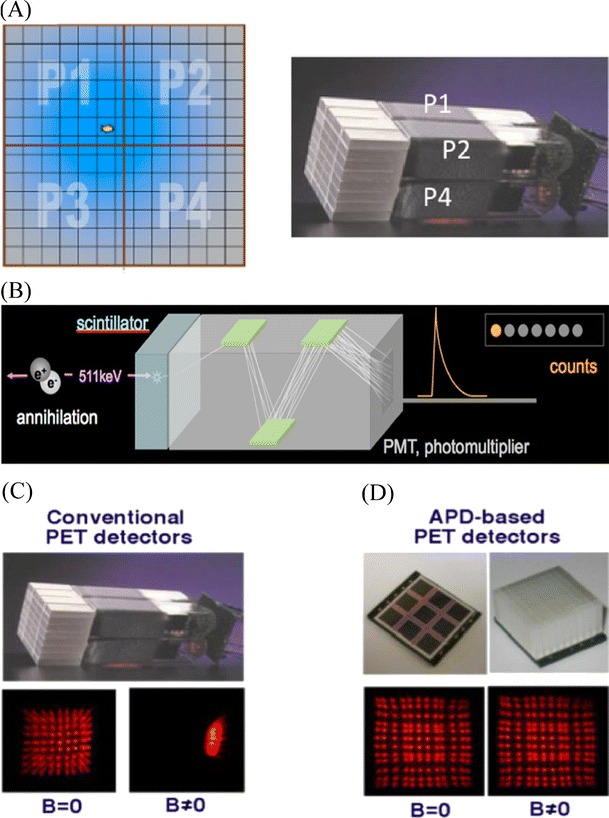
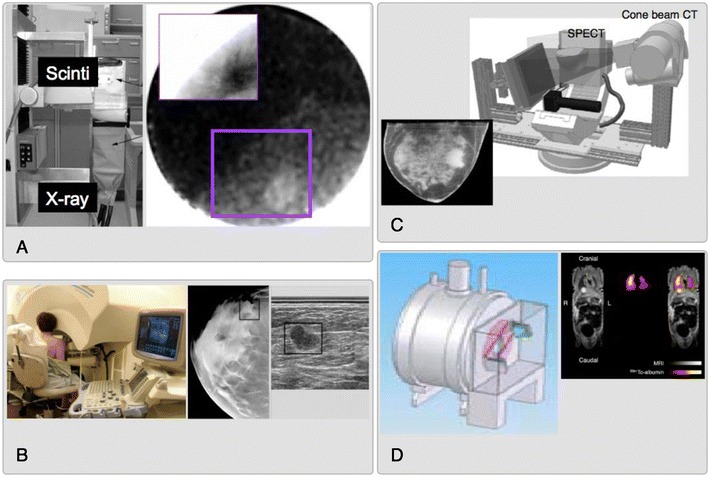
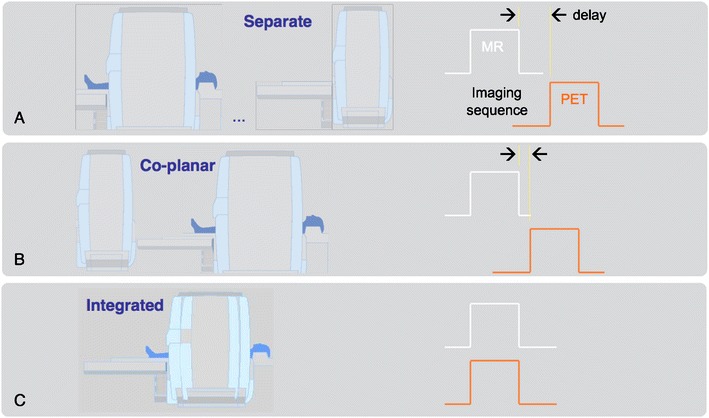
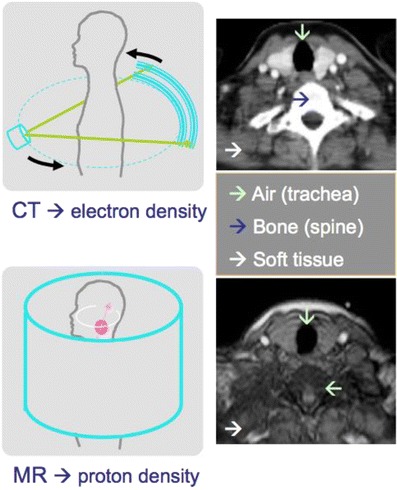
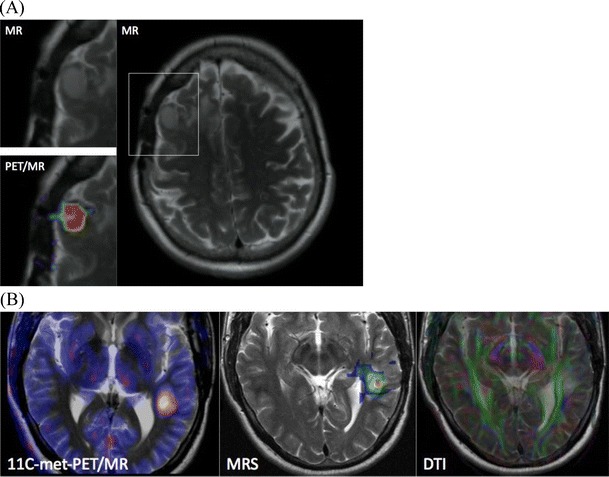
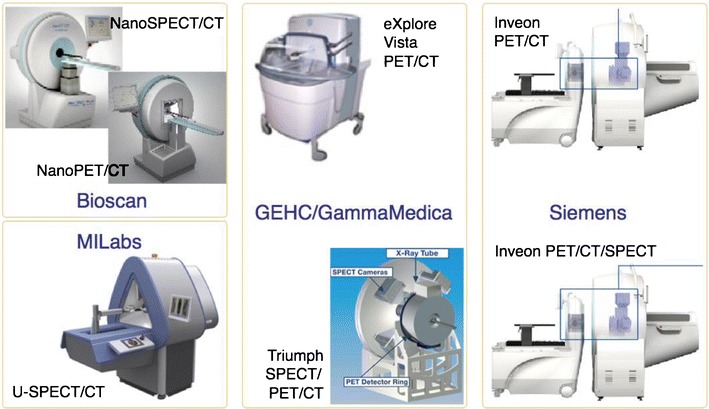
Since the 1990s, hybrid imaging by means of software and hardware image fusion alike allows the intrinsic combination of functional and anatomical image information. This review summarises in three parts the state of the art of dual-technique imaging with a focus on clinical applications. We will attempt to highlight selected areas of potential improvement of combined imaging technologies and new applications. In this third part, we discuss briefly the origins of combined positron emission tomography (PET)/magnetic resonance imaging (MRI). Unlike PET/computed tomography (CT), PET/MRI started out from developments in small-animal imaging technology, and, therefore, we add a section on advances in dual- and multi-modality imaging technology for small animals. Finally, we highlight a number of important aspects beyond technology that should be addressed for a sustained future of hybrid imaging. In short, we predict that, within 10 years, we may see all existing multi-modality imaging systems in clinical routine, including PET/MRI. Despite the current lack of clinical evidence, integrated PET/MRI may become particularly important and clinically useful in improved therapy planning for neurodegenerative diseases and subsequent response assessment, as well as in complementary loco-regional oncology imaging. Although desirable, other combinations of imaging systems, such as single-photon emission computed tomography (SPECT)/MRI may be anticipated, but will first need to go through the process of viable clinical prototyping. In the interim, a combination of PET and ultrasound may become available. As exciting as these new possible triple-technique-imaging systems sound, we need to be aware that they have to be technologically feasible, applicable in clinical routine and cost-effective.
自20世纪90年代以来,借助软件和硬件图像融合的混合成像能够实现功能图像信息与解剖图像信息的内在结合。本综述分三个部分总结了双技术成像的现状,重点是临床应用。我们将试图突出联合成像技术潜在改进的选定领域和新应用。在第三部分,我们简要讨论了正电子发射断层扫描(PET)/磁共振成像(MRI)联合技术的起源。与PET/计算机断层扫描(CT)不同,PET/MRI始于小动物成像技术的发展,因此,我们增加了一节关于小动物双模态和多模态成像技术进展的内容。最后,我们强调了混合成像持续发展需要解决的一些技术之外的重要方面。简而言之,我们预测,在10年内,我们可能会在临床常规中看到所有现有的多模态成像系统,包括PET/MRI。尽管目前缺乏临床证据,但在改善神经退行性疾病的治疗计划及后续反应评估以及在补充性局部肿瘤成像方面,集成式PET/MRI可能会变得尤为重要且具有临床实用性。尽管很理想,但可以预期会出现其他成像系统组合,如单光子发射计算机断层扫描(SPECT)/MRI,但首先需要经历可行的临床原型制作过程。在此期间,PET与超声的组合可能会出现。尽管这些新的可能的三技术成像系统听起来令人兴奋,但我们需要意识到它们必须在技术上可行、适用于临床常规且具有成本效益。