Long Niamh M, Smith Clare S
Department of Radiology, Mater Misericordiae University Hospital, Eccles St., Dublin 7, Ireland.
Insights Imaging. 2011 Dec;2(6):679-698. doi: 10.1007/s13244-010-0062-3. Epub 2011 Sep 9.
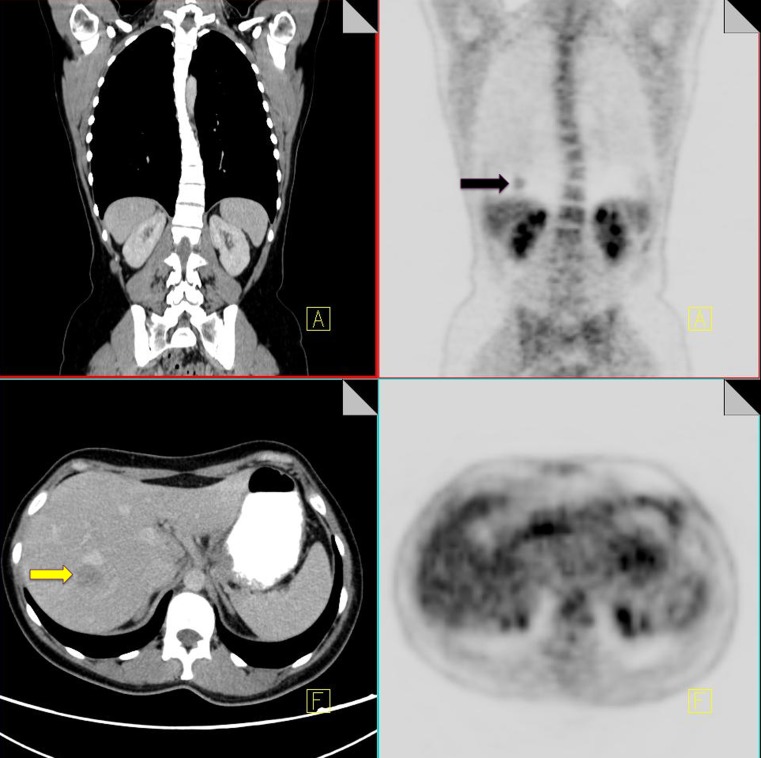
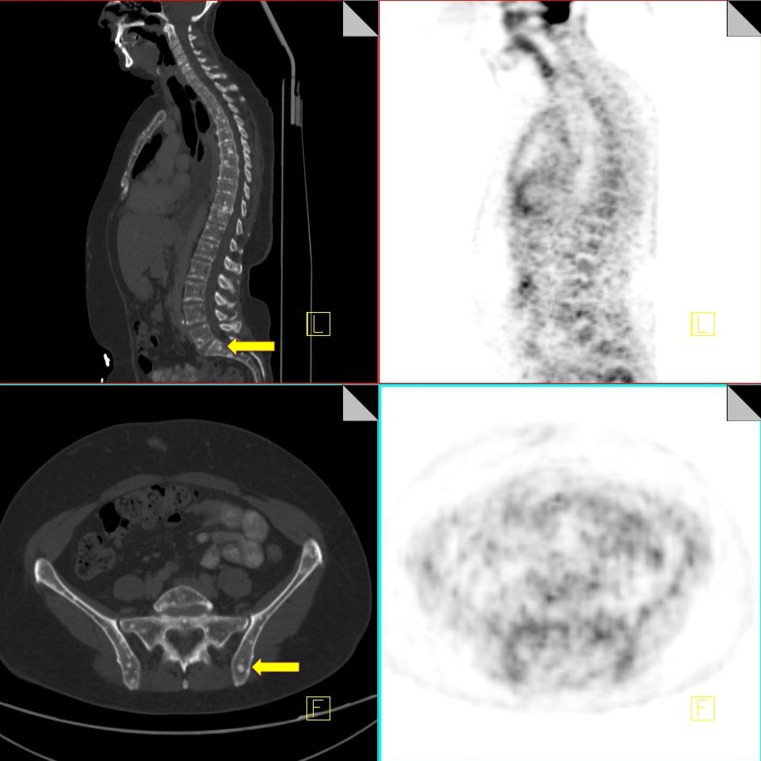
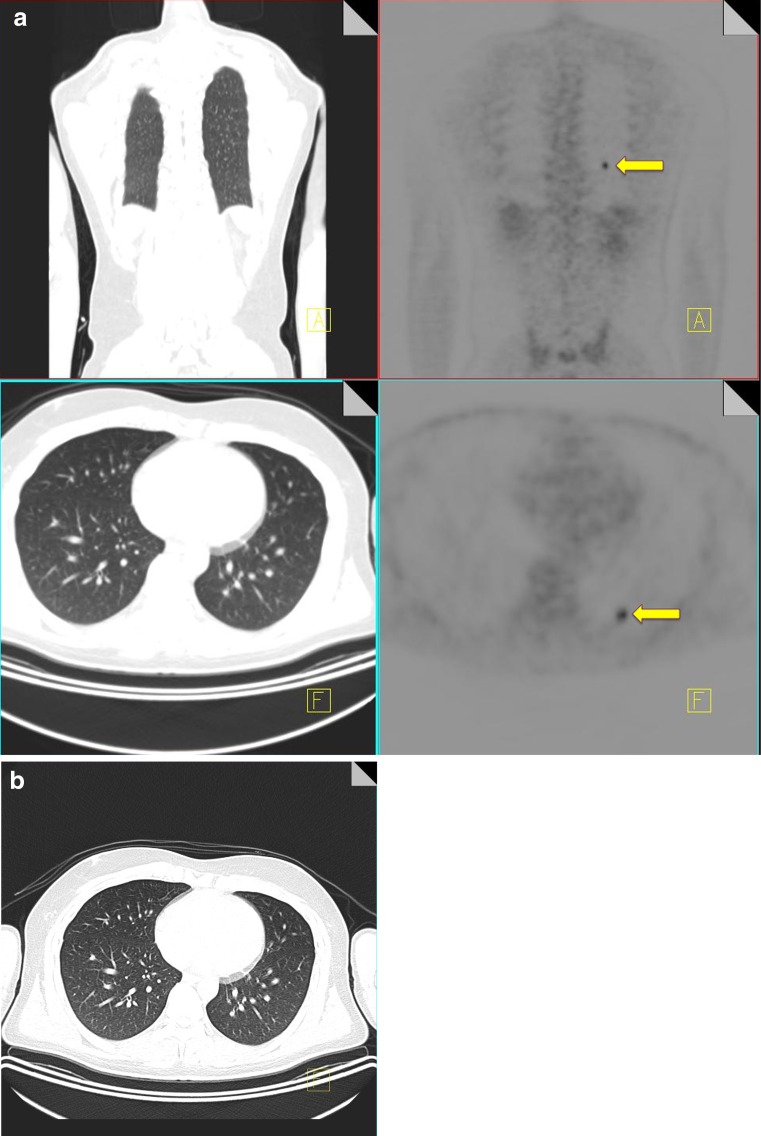
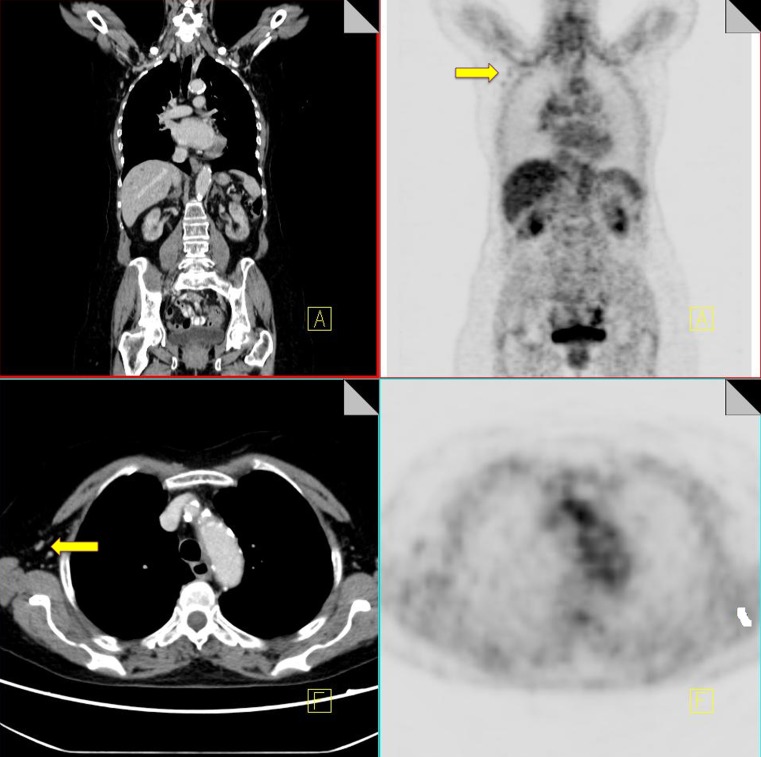
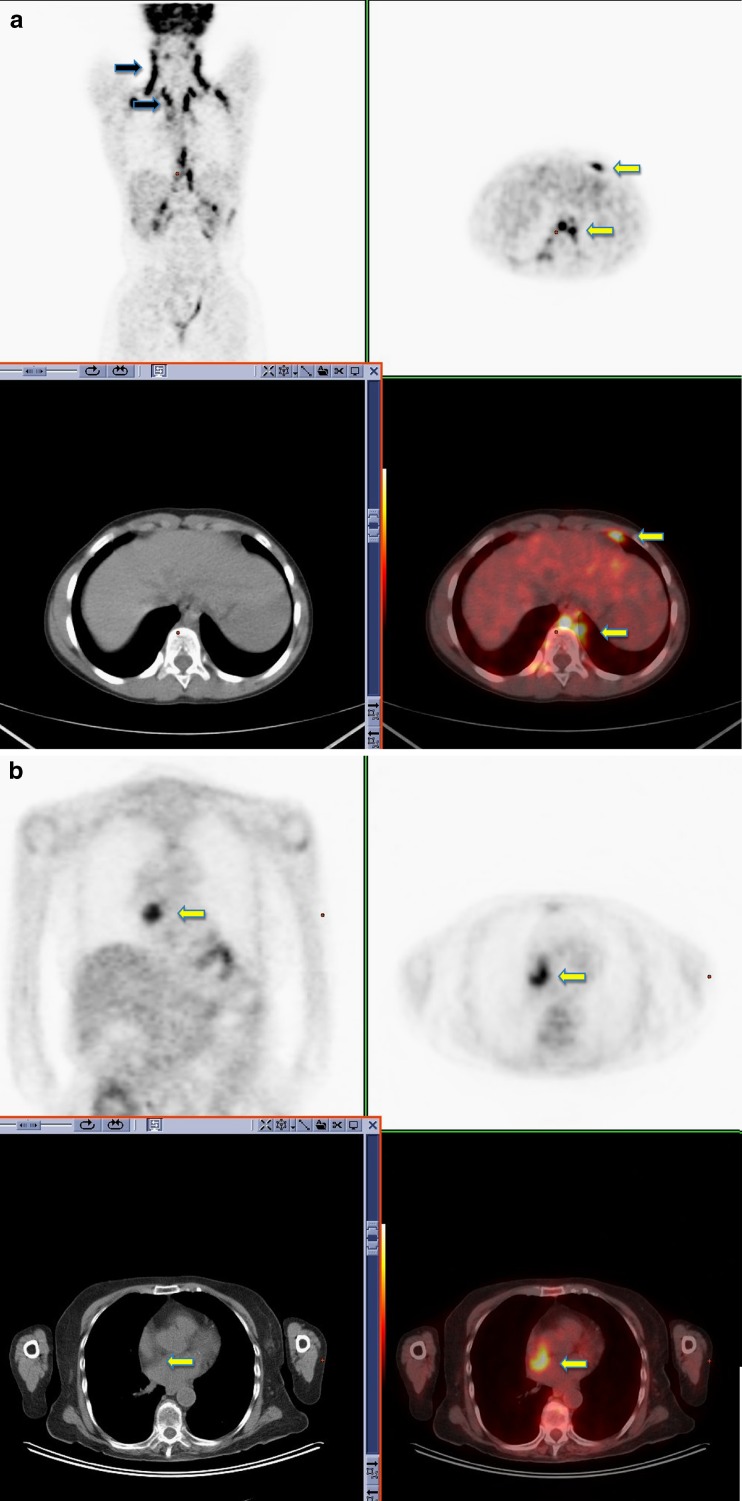
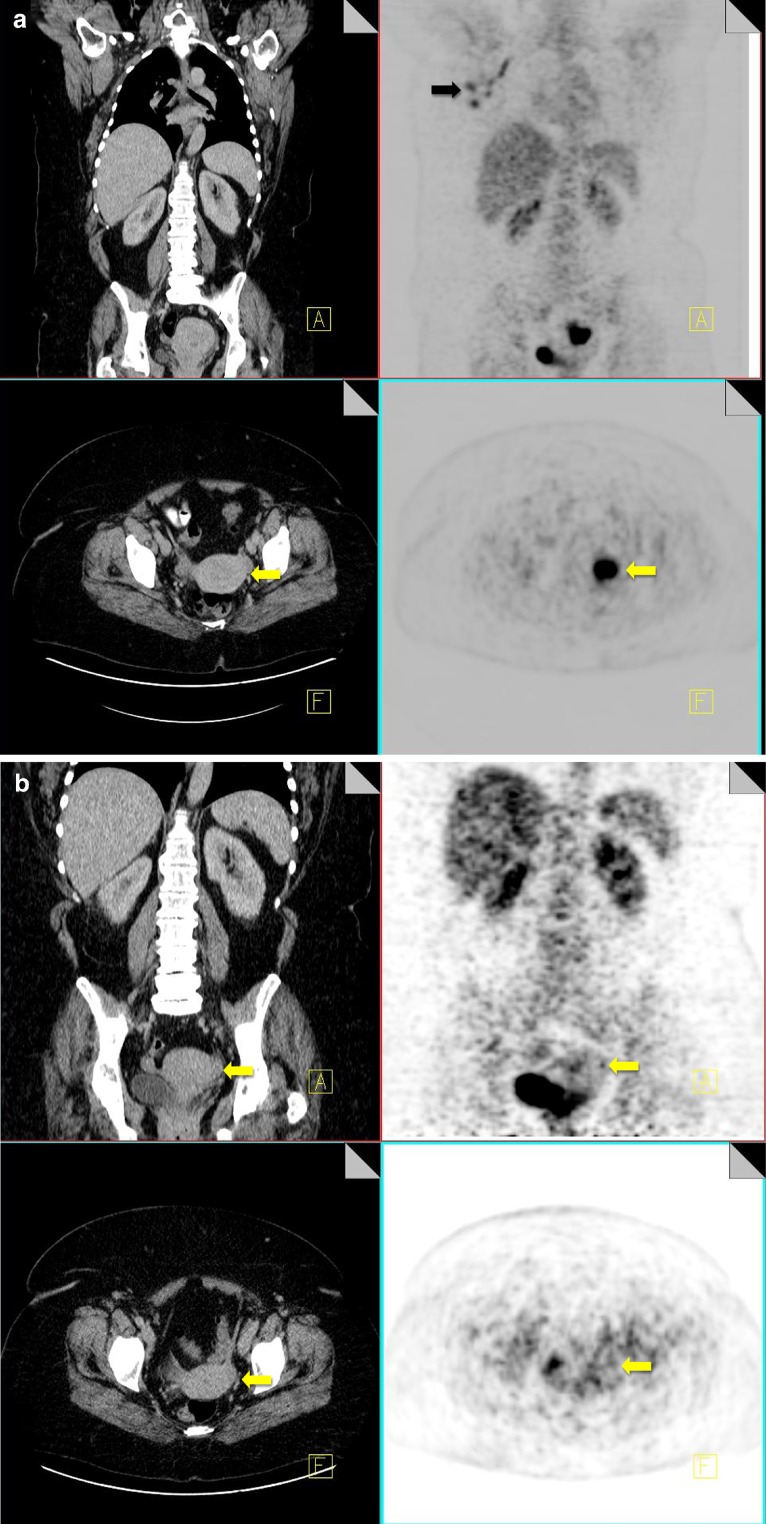
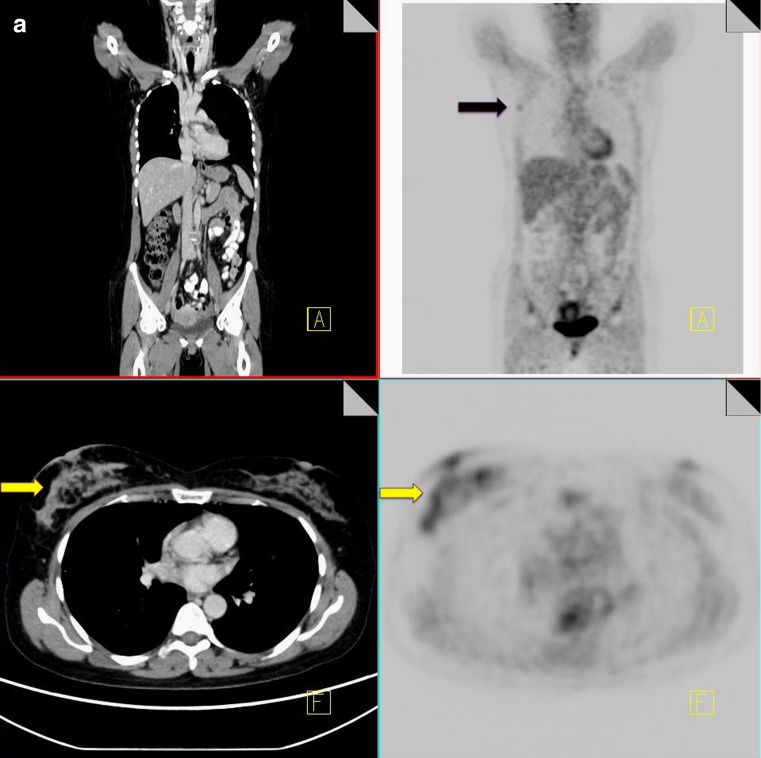
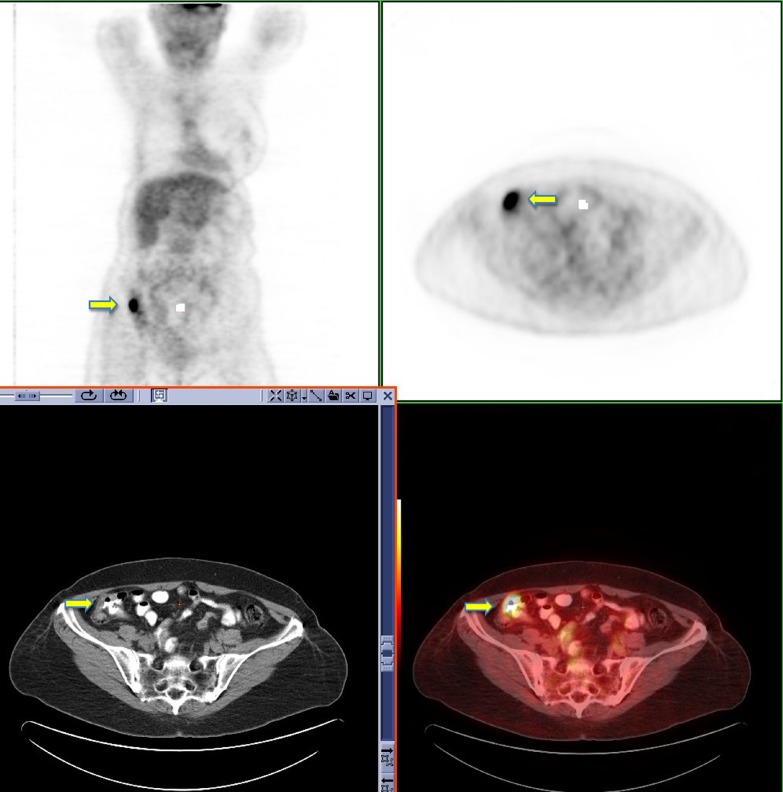
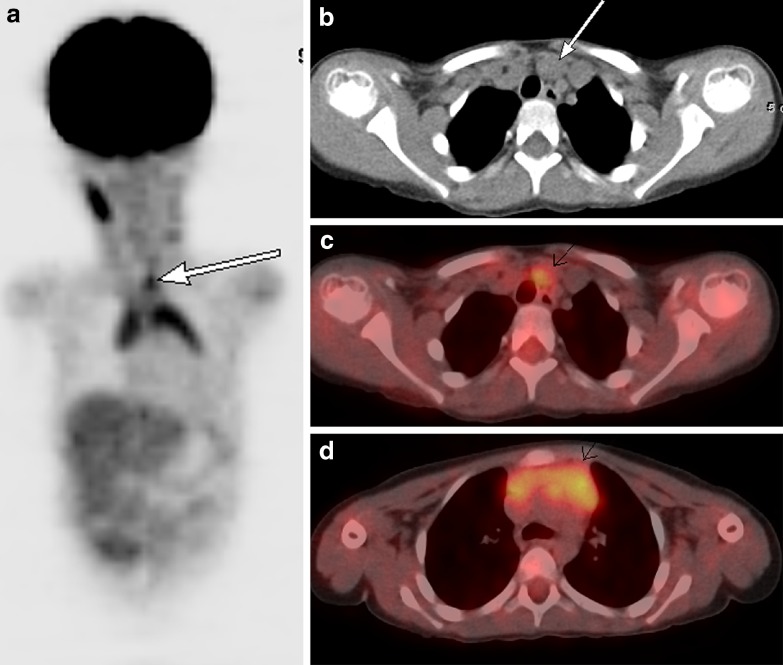
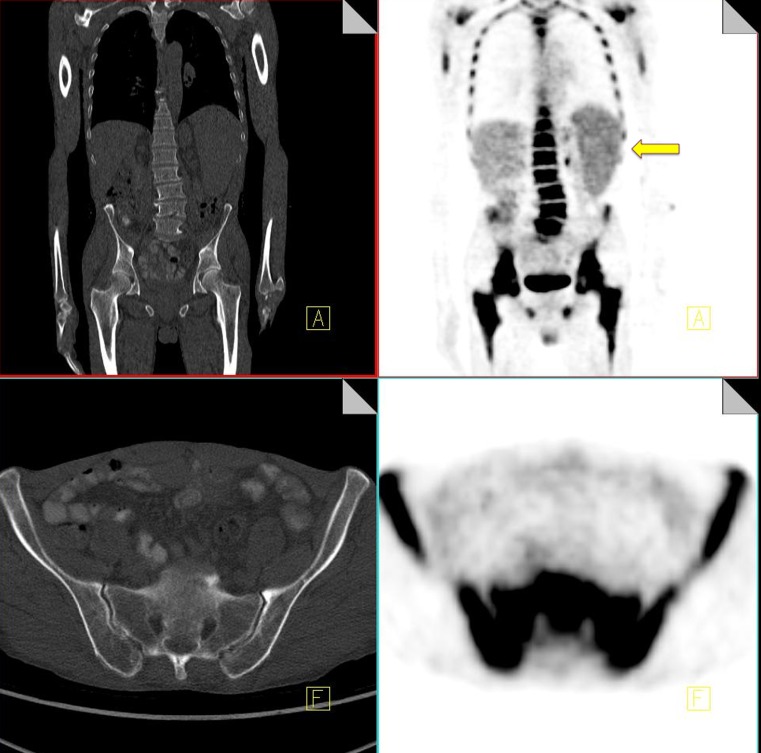
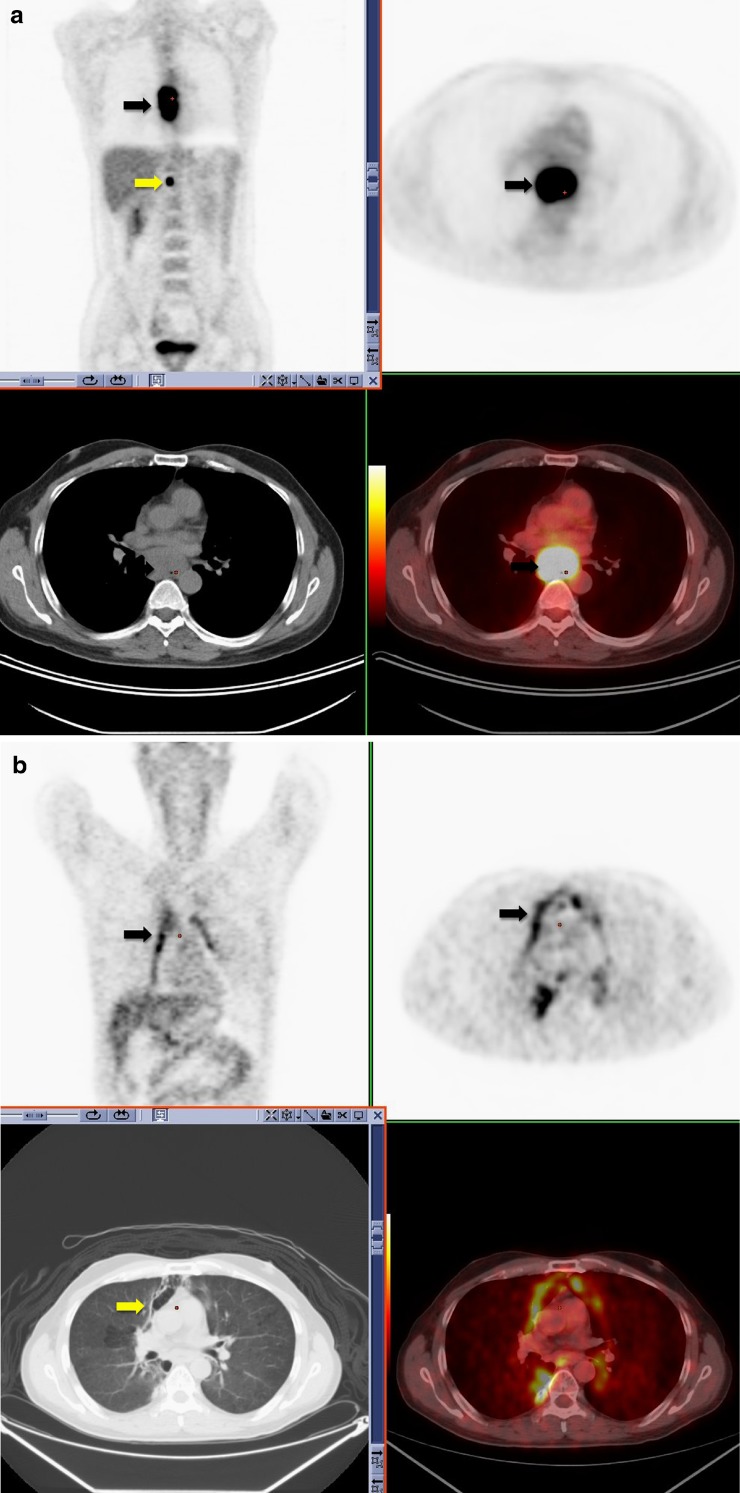
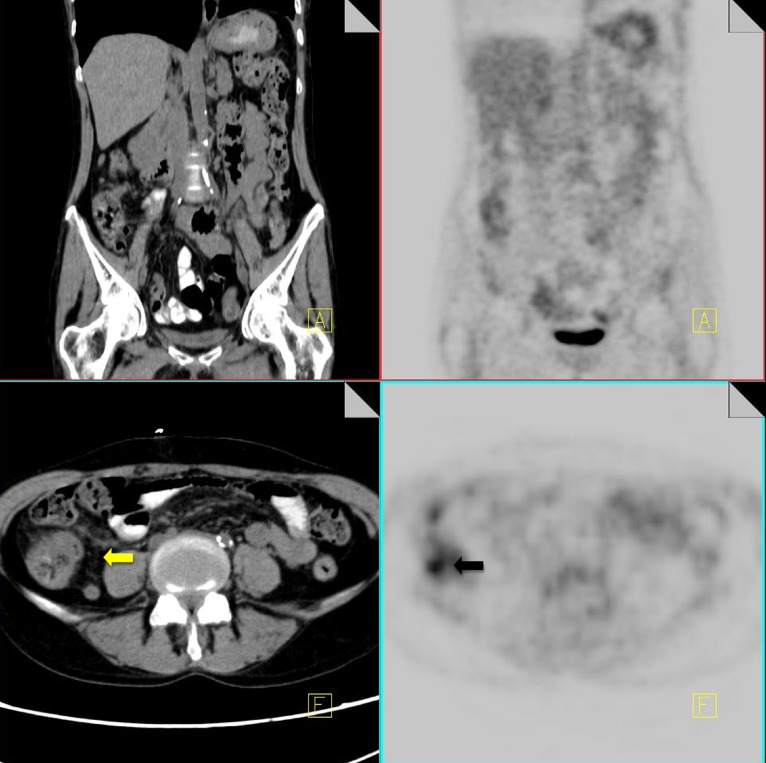
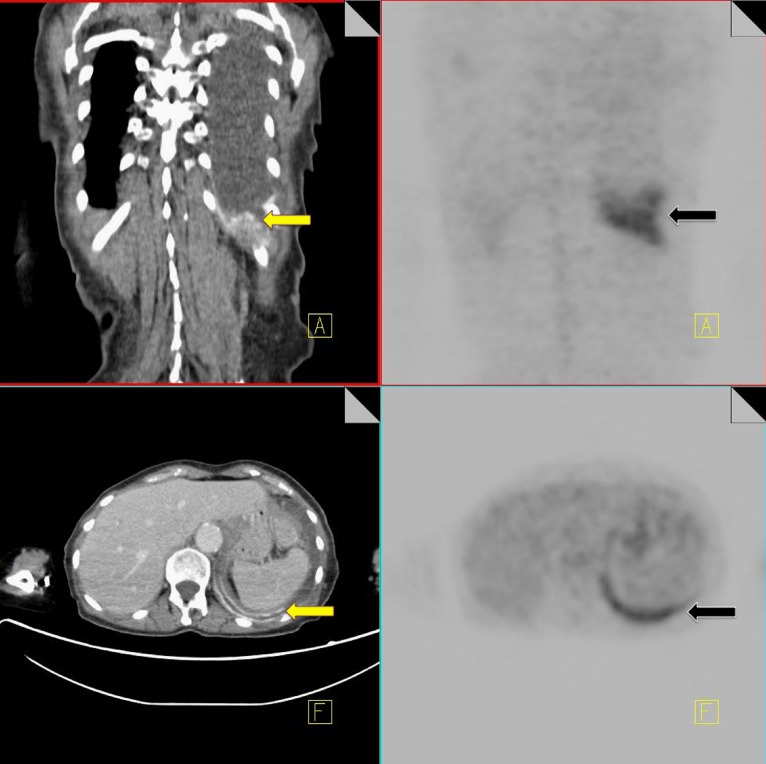
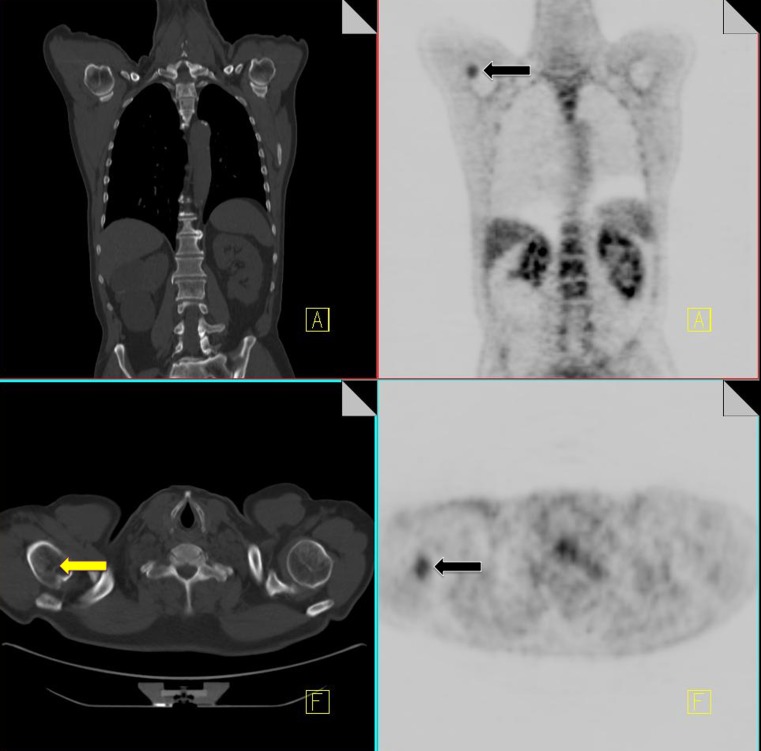
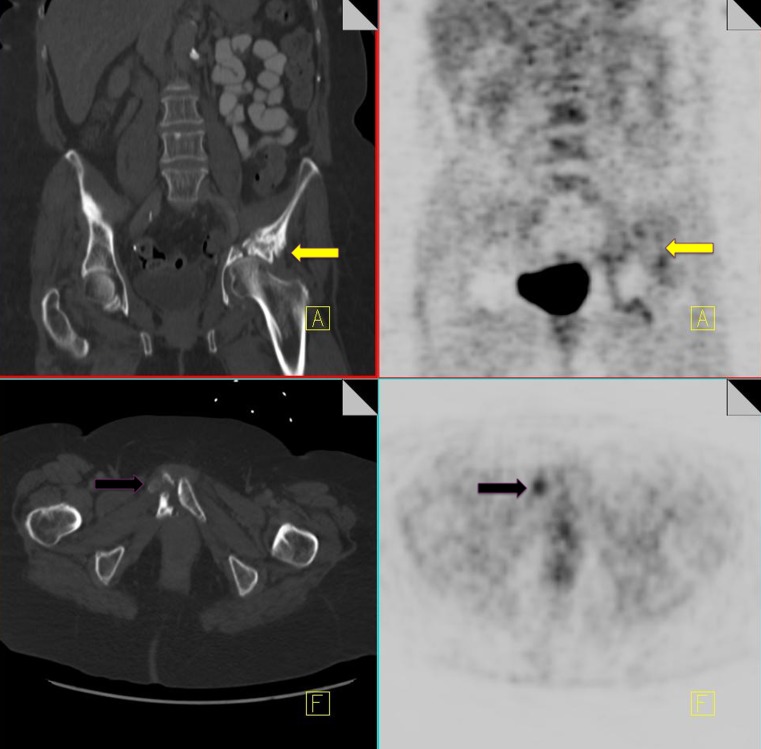
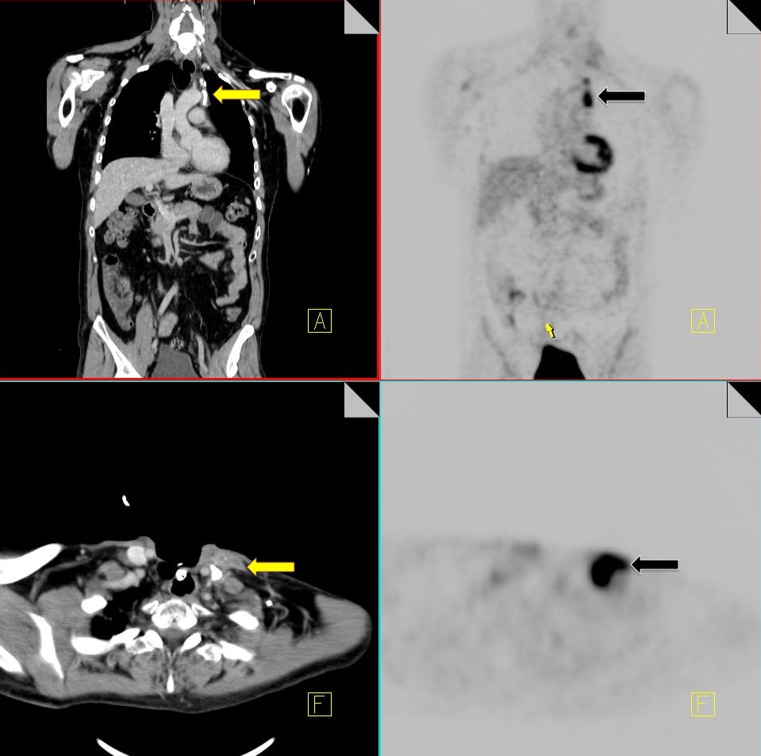
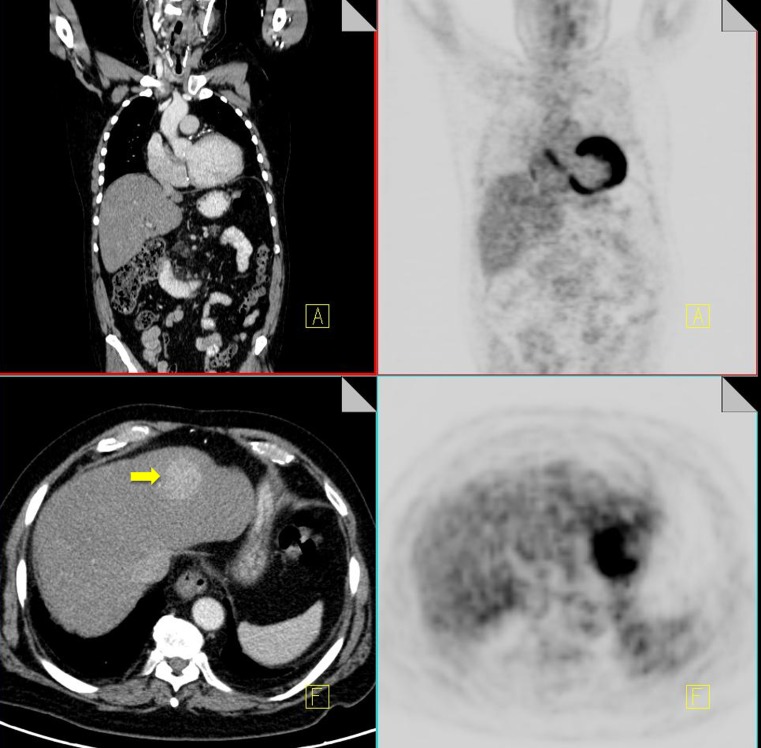
18F-FDG is a glucose analogue that is taken up by a wide range of malignancies. 18F-FDG PET-CT is now firmly established as an accurate method for the staging and restaging of various cancers. However, 18F-FDG also accumulates in normal tissue and other non-malignant conditions, and some malignancies do not take up F18-FDG or have a low affinity for the tracer, leading to false-positive and false-negative interpretations. METHODS: PET-CT allows for the correlation of two separate imaging modalities, combining both morphological and metabolic information. We should use the CT to help interpret the PET findings. In this article we will highlight specific false-negative and false-positive findings that one should be aware of when interpreting oncology scans. RESULTS: We aim to highlight post-treatment conditions that are encountered routinely on restaging scans that can lead to false-positive interpretations. We will emphasise the importance of using the CT component to help recognise these entities to allow improved diagnostic accuracy. CONCLUSION: In light of the increased use of PET-CT, it is important that nuclear medicine physicians and radiologists be aware of these conditions and correlate the PET and CT components to avoid misdiagnosis, over staging of disease and unnecessary biopsies.
18F-FDG是一种葡萄糖类似物,可被多种恶性肿瘤摄取。18F-FDG PET-CT现已被确认为一种准确的各种癌症分期和再分期方法。然而,18F-FDG也会在正常组织和其他非恶性情况下蓄积,并且一些恶性肿瘤不摄取18F-FDG或对示踪剂亲和力低,从而导致假阳性和假阴性解读。
PET-CT能够将两种独立的成像方式关联起来,结合形态学和代谢信息两者。我们应利用CT来辅助解读PET结果。在本文中,我们将重点介绍在解读肿瘤扫描时应注意的特定假阴性和假阳性结果。
我们旨在强调在再分期扫描中经常遇到的可导致假阳性解读的治疗后情况。我们将强调利用CT部分来帮助识别这些情况以提高诊断准确性的重要性。
鉴于PET-CT的使用增加,核医学医师和放射科医生了解这些情况并将PET和CT部分关联起来以避免误诊、疾病过度分期和不必要的活检非常重要。