School of Pharmaceutical Sciences, Mukogawa Women's University, Nishinomiya, Japan.
Nutr Metab (Lond). 2012 Feb 20;9:13. doi: 10.1186/1743-7075-9-13.
In recent years, the number of people with metabolic syndrome has continued to rise because of changing eating habits, and accompanying hepatic steatosis patients have also increased. This study examined the effect of guava leaf extract on liver fat accumulation using SHRSP.Z-Leprfa/IzmDmcr rats (SHRSP/ZF), which are a metabolic syndrome model animal.
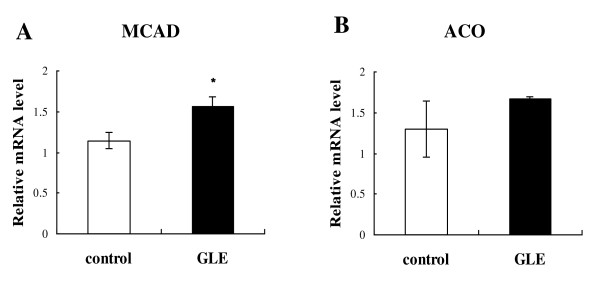
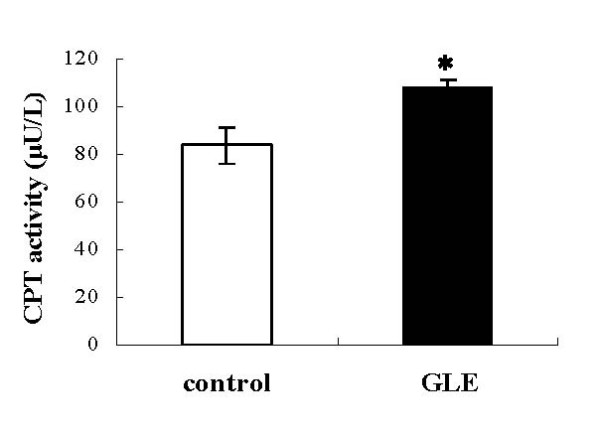
Seven-week-old male SHRSP/ZF rats were divided into two groups, a control group and a guava leaf extract (GLE) group. We gave 2 g/kg/day GLE or water by forced administration for 6 weeks. After the experimental period, the rats were sacrificed and organ weight, hepatic lipids, serum aminotransferase and liver pathology were examined. To search for a possible mechanism, we examined the changes of key enzyme and transcriptional factors involved in hepatic fatty acid beta-oxidation.
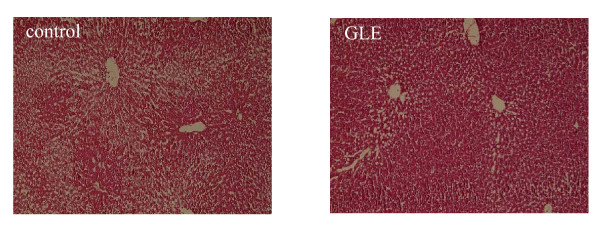
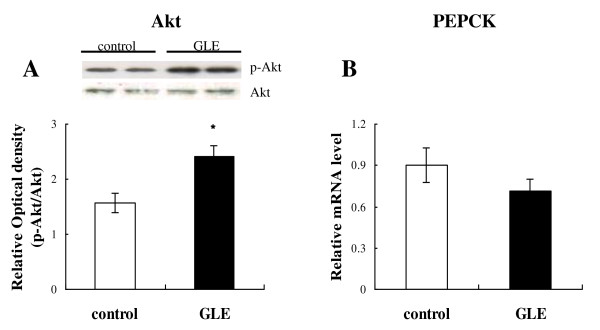
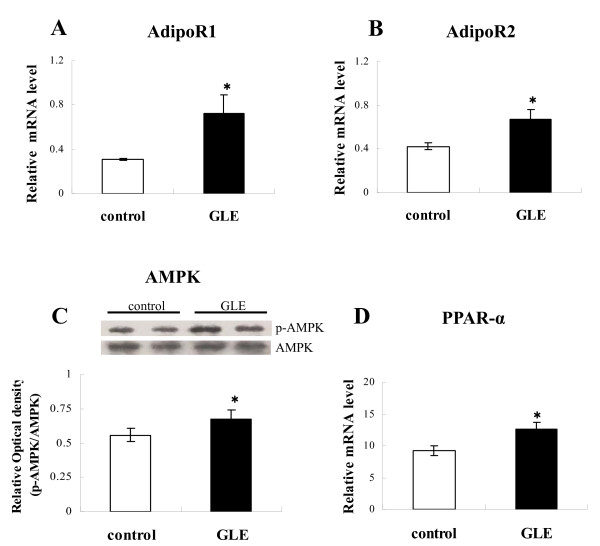
The triglyceride content of the liver significantly decreased in the GLE group in comparison with the control group, and decreased fat-drop formation in the liver tissue graft in the GLE group was observed. In addition, the improvement of liver organization impairments with fat accumulation restriction was suggested because blood AST and ALT in the GLE group significantly decreased. Furthermore, it was supposed that the activity of AMPK and PPARα significantly increased in the GLE group via the increase of adiponectin receptors. These were thought to be associated with the decrease of the triglyceride content in the liver because AMPK and PPARα in liver tissue control energy metabolism or lipid composition. On the other hand, insulin resistance was suggested to have improved by the fatty liver improvement in GLE.
Our results indicate that administration of GLE may have preventive effects of hepatic accumulation and ameliorated hepatic insulin resistance by enhancing the adiponectin beta-oxidation system. Guava leaf may be potentially useful for hepatic steatosis without the side effects of long-term treatments.
近年来,由于饮食习惯的改变,代谢综合征患者的数量持续增加,同时伴有肝脂肪变性的患者也有所增加。本研究使用 SHRSP.Z-Leprfa/IzmDmcr 大鼠(SHRSP/ZF),即代谢综合征模型动物,考察了番石榴叶提取物对肝脂肪堆积的影响。
将 7 周龄雄性 SHRSP/ZF 大鼠分为对照组和番石榴叶提取物(GLE)组。我们通过强制给药,分别给予 2 g/kg/天 GLE 或水,共 6 周。实验结束后,处死大鼠,检测器官重量、肝脂质、血清转氨酶和肝脏病理。为了寻找可能的机制,我们检测了参与肝脂肪酸β氧化的关键酶和转录因子的变化。
与对照组相比,GLE 组大鼠肝脏三酰甘油含量显著降低,GLE 组肝组织移植中脂肪滴形成减少。此外,由于 GLE 组血液 AST 和 ALT 显著降低,因此提示肝组织脂肪堆积限制的改善可能导致肝组织损伤的改善。此外,由于脂联素受体的增加,GLE 组 AMPK 和 PPARα 的活性被认为显著增加。这被认为与肝脏三酰甘油含量的降低有关,因为 AMPK 和 PPARα 在肝组织中控制能量代谢或脂质组成。另一方面,由于脂肪肝的改善,GLE 组的胰岛素抵抗被认为有所改善。
我们的结果表明,GLE 的给药可能通过增强脂联素β氧化系统对肝脏堆积具有预防作用,并改善肝脏胰岛素抵抗。番石榴叶可能对肝脂肪变性有效,且没有长期治疗的副作用。