Department of Cell Biology, The Scripps Research Institute, La Jolla, CA, USA.
Sci Rep. 2011;1:76. doi: 10.1038/srep00076. Epub 2011 Aug 30.
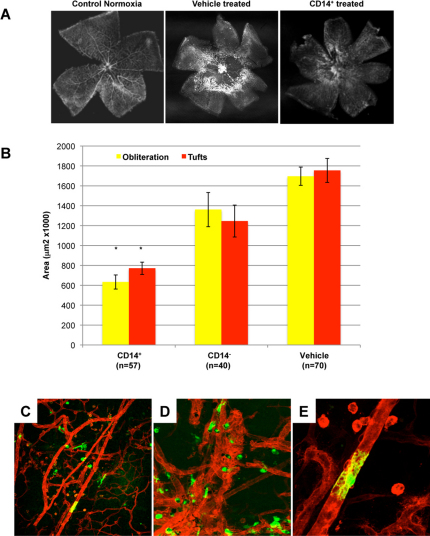
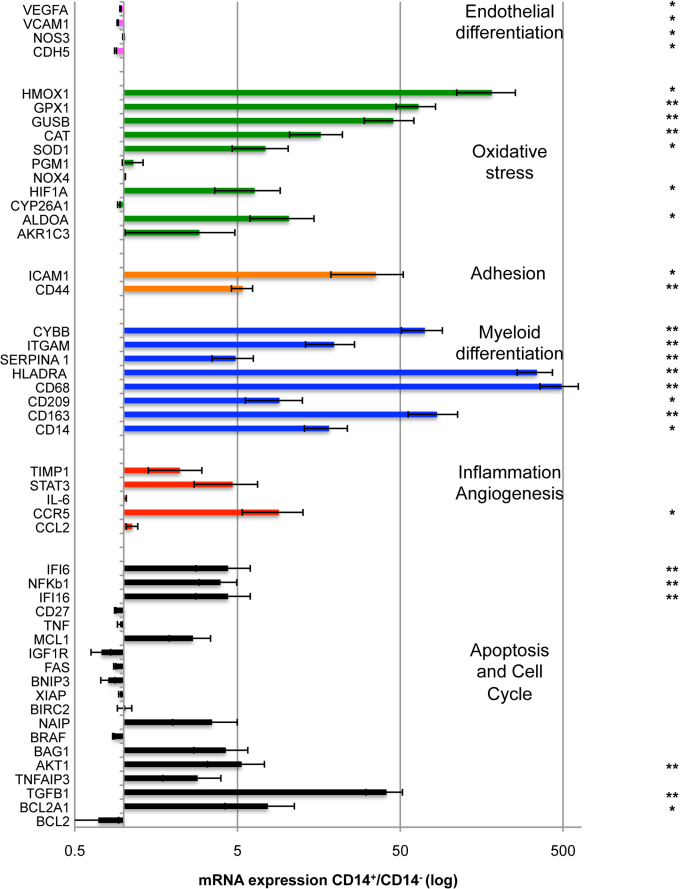
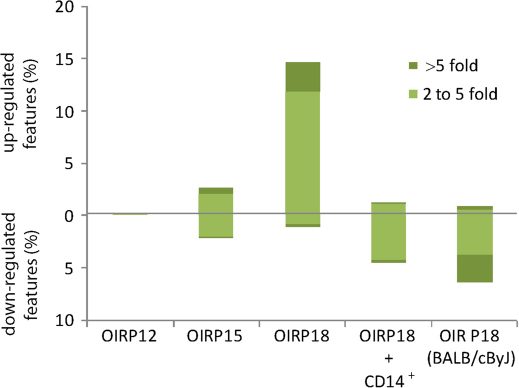
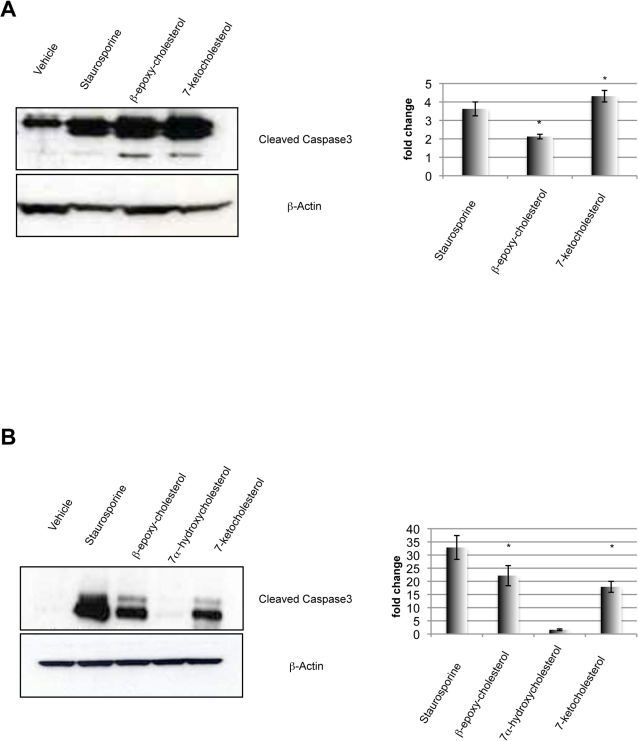
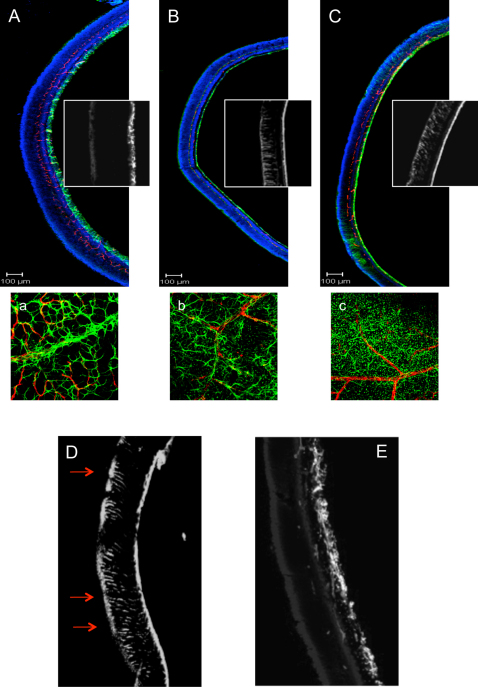
Diabetic retinopathy is the leading cause of visual loss in individuals under the age of 55. Umbilical cord blood (UCB)-derived myeloid progenitor cells have been shown to decrease neuronal damage associated with ischemia in the central nervous system. In this study we show that UCB-derived CD14(+) progenitor cells provide rescue effects in a mouse model of ischemic retinopathy by promoting physiological angiogenesis and reducing associated inflammation. We use confocal microscopy to trace the fate of injected human UCB-derived CD14(+) cells and PCR with species-specific probes to investigate their gene expression profile before and after injection. Metabolomic analysis measures changes induced by CD14(+) cells. Our results demonstrate that human cells differentiate in vivo into M2 macrophages and induce the polarization of resident M2 macrophages. This leads to stabilization of the ischemia-injured retinal vasculature by modulating the inflammatory response, reducing oxidative stress and apoptosis and promoting tissue repair.
糖尿病性视网膜病变是导致 55 岁以下人群视力丧失的主要原因。脐带血(UCB)衍生的髓样祖细胞已被证明可减少中枢神经系统缺血相关的神经元损伤。在这项研究中,我们表明 UCB 衍生的 CD14(+)祖细胞通过促进生理性血管生成和减少相关炎症,在缺血性视网膜病变的小鼠模型中提供挽救作用。我们使用共聚焦显微镜追踪注射的人 UCB 衍生的 CD14(+)细胞的命运,并使用种特异性探针进行 PCR,以在注射前后研究其基因表达谱。代谢组学分析测量 CD14(+)细胞诱导的变化。我们的结果表明,人细胞在体内分化为 M2 巨噬细胞,并诱导驻留 M2 巨噬细胞的极化。这通过调节炎症反应、减少氧化应激和细胞凋亡以及促进组织修复来稳定缺血性损伤的视网膜血管。