CAS Key Laboratory of Biofuels, Qingdao Institute of BioEnergy and BioProcess Technology, Chinese Academy of Sciences, Qingdao, Shandong, People's Republic of China.
PLoS One. 2012;7(2):e31149. doi: 10.1371/journal.pone.0031149. Epub 2012 Feb 16.
Homeodomain-leucine zipper (HD-ZIP) proteins are plant-specific transcriptional factors known to play crucial roles in plant development. Although sequence phylogeny analysis of Populus HD-ZIPs was carried out in a previous study, no systematic analysis incorporating genome organization, gene structure, and expression compendium has been conducted in model tree species Populus thus far.
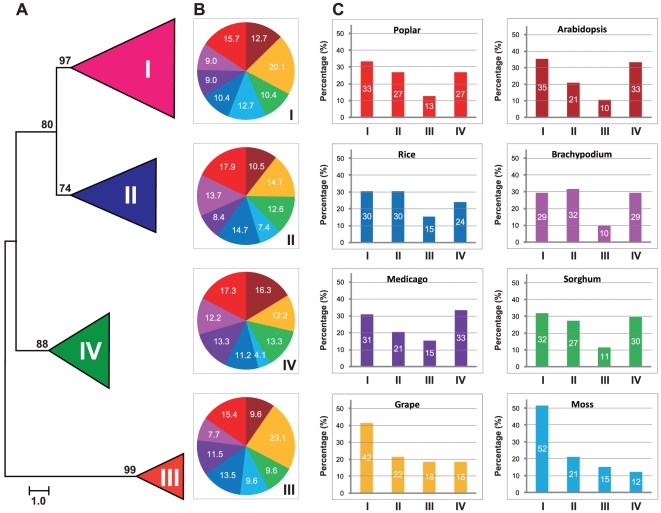
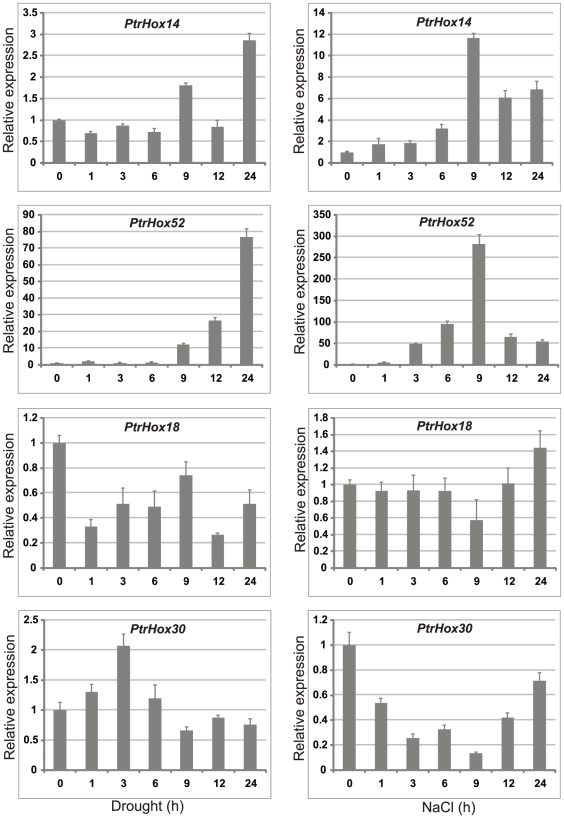
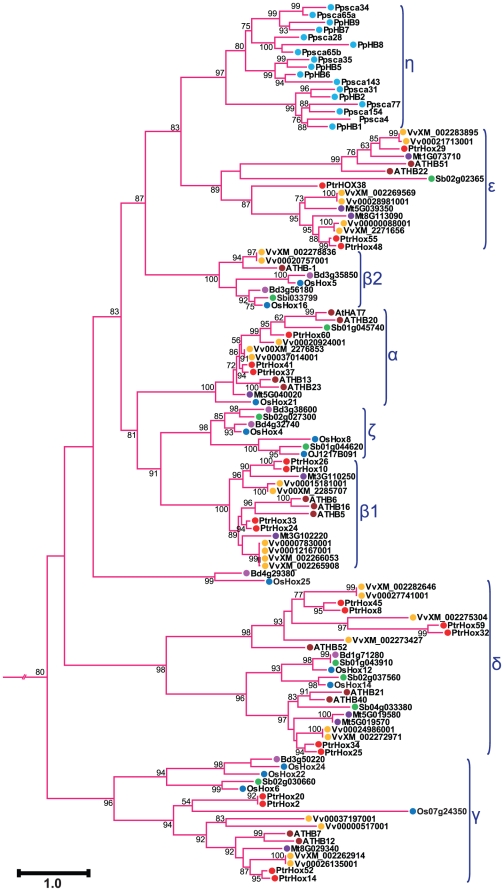
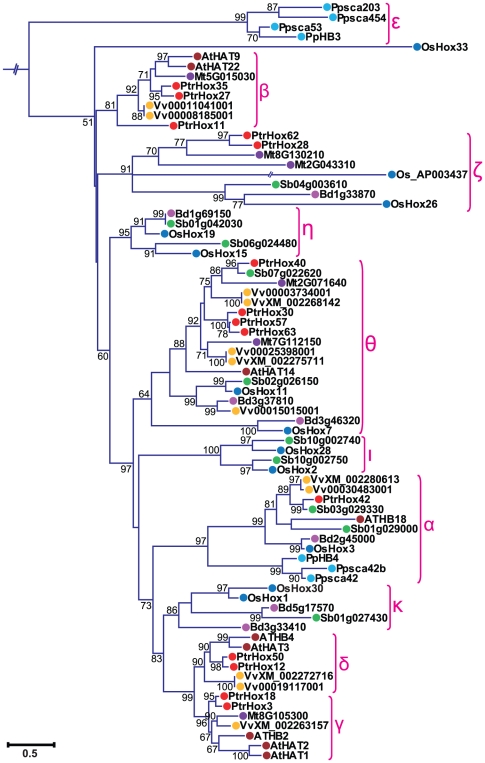
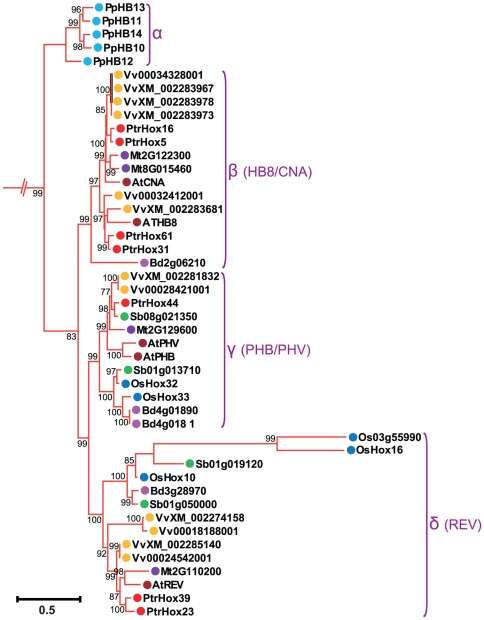
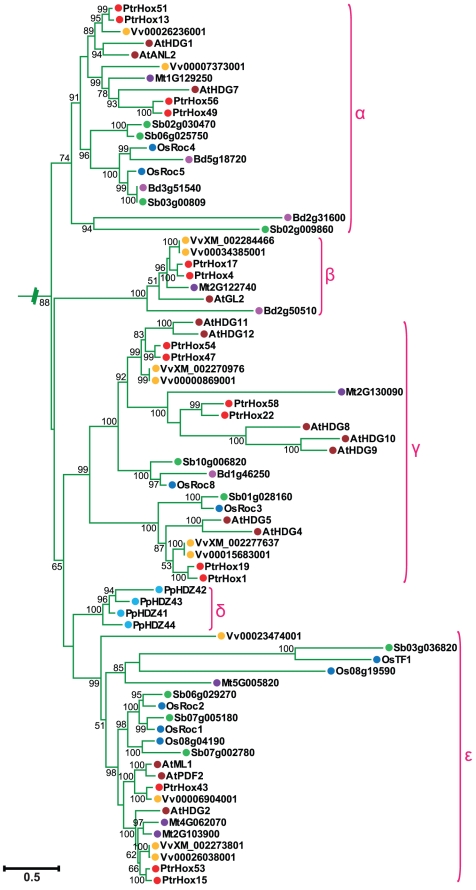
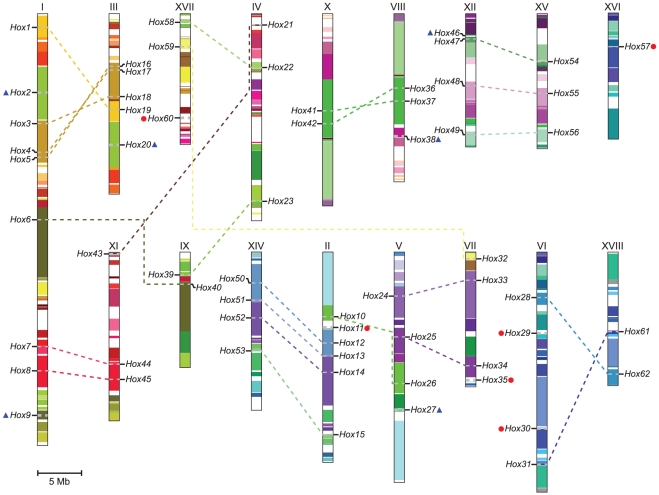
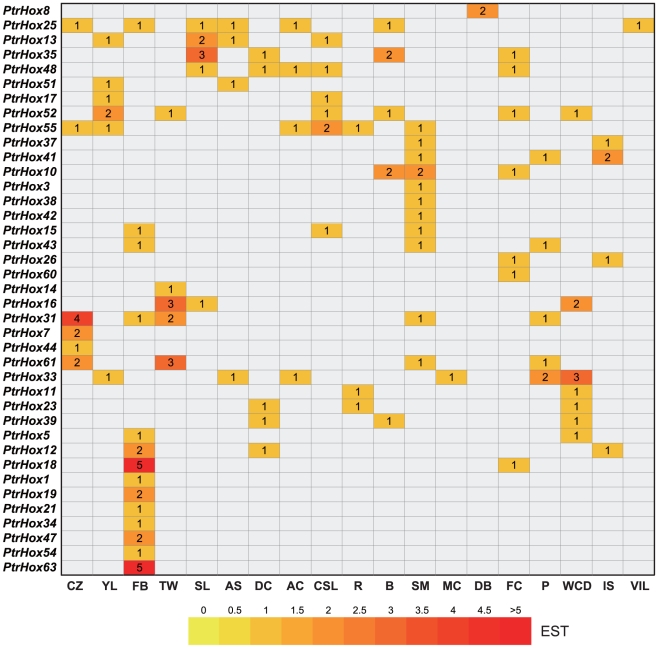
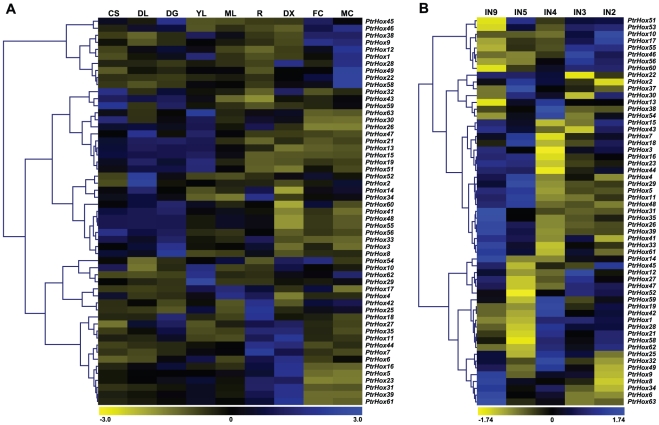
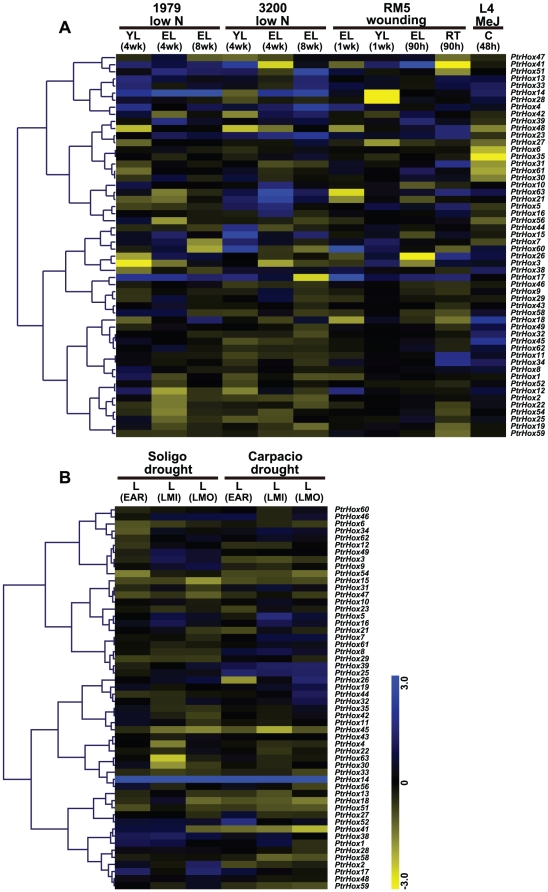
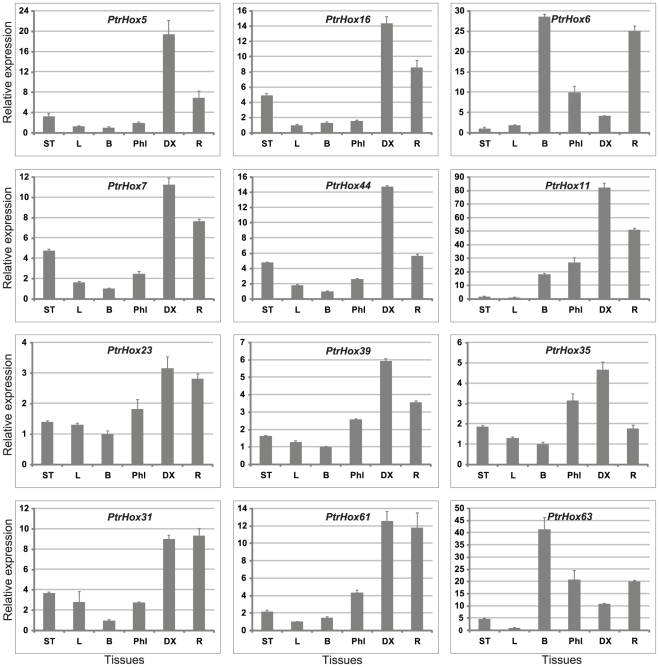
In this study, a comprehensive analysis of Populus HD-ZIP gene family was performed. Sixty-three full-length HD-ZIP genes were found in Populus genome. These Populus HD-ZIP genes were phylogenetically clustered into four distinct subfamilies (HD-ZIP I-IV) and predominately distributed across 17 linkage groups (LG). Fifty genes from 25 Populus paralogous pairs were located in the duplicated blocks of Populus genome and then preferentially retained during the sequential evolutionary courses. Genomic organization analyses indicated that purifying selection has played a pivotal role in the retention and maintenance of Populus HD-ZIP gene family. Microarray analysis has shown that 21 Populus paralogous pairs have been differentially expressed across different tissues and under various stresses, with five paralogous pairs showing nearly identical expression patterns, 13 paralogous pairs being partially redundant and three paralogous pairs diversifying significantly. Quantitative real-time RT-PCR (qRT-PCR) analysis performed on 16 selected Populus HD-ZIP genes in different tissues and under both drought and salinity stresses confirms their tissue-specific and stress-inducible expression patterns.
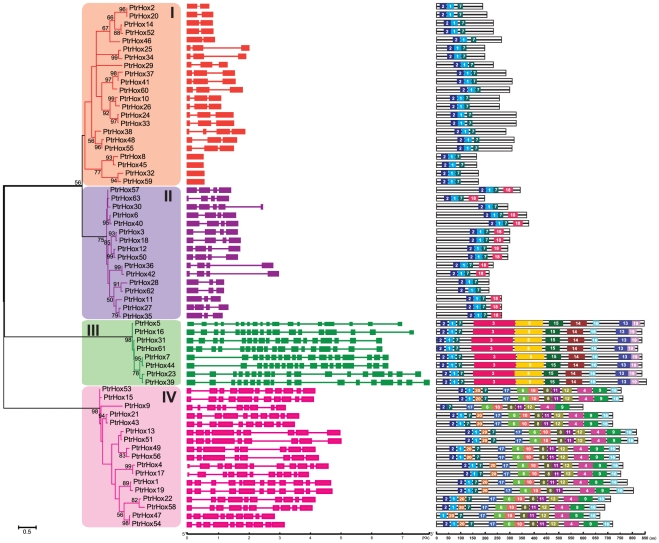
Genomic organizations indicated that segmental duplications contributed significantly to the expansion of Populus HD-ZIP gene family. Exon/intron organization and conserved motif composition of Populus HD-ZIPs are highly conservative in the same subfamily, suggesting the members in the same subfamilies may also have conservative functionalities. Microarray and qRT-PCR analyses showed that 89% (56 out of 63) of Populus HD-ZIPs were duplicate genes that might have been retained by substantial subfunctionalization. Taken together, these observations may lay the foundation for future functional analysis of Populus HD-ZIP genes to unravel their biological roles.
同源域亮氨酸拉链(HD-ZIP)蛋白是植物特有的转录因子,已知在植物发育中发挥着关键作用。尽管之前的研究已经对杨树 HD-ZIP 进行了序列系统发育分析,但迄今为止,在模式树种杨树中还没有进行过包括基因组组织、基因结构和表达综述在内的系统分析。
在这项研究中,对杨树 HD-ZIP 基因家族进行了全面分析。在杨树基因组中发现了 63 个全长 HD-ZIP 基因。这些杨树 HD-ZIP 基因在系统发育上被聚类为四个不同的亚家族(HD-ZIP I-IV),主要分布在 17 个连锁群(LG)上。来自 25 个杨树同源基因对的 50 个基因位于杨树基因组的重复块中,然后在连续的进化过程中被优先保留。基因组组织分析表明,净化选择在杨树 HD-ZIP 基因家族的保留和维持中发挥了关键作用。微阵列分析表明,21 个杨树同源基因对在不同组织和不同胁迫下表现出差异表达,其中 5 个同源基因对表现出几乎相同的表达模式,13 个同源基因对部分冗余,3 个同源基因对显著多样化。对不同组织和干旱及盐胁迫下的 16 个选定杨树 HD-ZIP 基因进行定量实时 RT-PCR(qRT-PCR)分析证实了它们的组织特异性和胁迫诱导表达模式。
基因组组织表明,片段重复对杨树 HD-ZIP 基因家族的扩张有重要贡献。杨树 HD-ZIP 的外显子/内含子组织和保守基序组成在同一亚家族中高度保守,表明同一亚家族的成员可能具有保守的功能。微阵列和 qRT-PCR 分析表明,89%(56 个中的 63 个)的杨树 HD-ZIP 是冗余基因,可能通过大量亚功能化得以保留。总之,这些观察结果为进一步研究杨树 HD-ZIP 基因的功能奠定了基础,以揭示其生物学功能。