Fondazione Italiana Fegato- Centro Studi Fegato, AREA SCIENCE Park Basovizza, Bldg Q, Trieste, Italy.
BMC Gastroenterol. 2012 Mar 1;12:20. doi: 10.1186/1471-230X-12-20.
In vitro exposure of liver cells to high concentrations of free fatty acids (FFA) results in fat overload which promotes inflammatory and fibrogenic response similar to those observed in patients with Non-Alcoholic Fatty Liver Disease (NAFLD) and Non-Alcoholic Steatohepatitis (NASH). Since the mechanisms of this event have not been fully characterized, we aimed to analyze the fibrogenic stimuli in a new in vitro model of NASH.
HuH7 cells were cultured for 24 h in an enriched medium containing bovine serum albumin and increasing concentrations of palmitic and oleic acid at a molar ratio of 1:2 (palmitic and oleic acid, respectively). Cytotoxic effect, apoptosis, oxidative stress, and production of inflammatory and fibrogenic cytokines were measured.
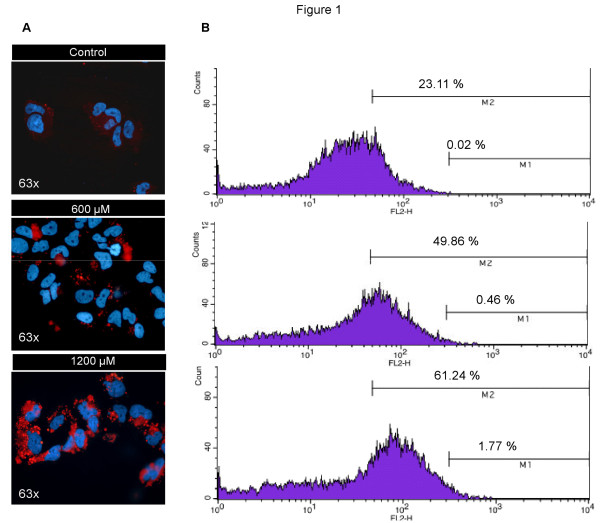
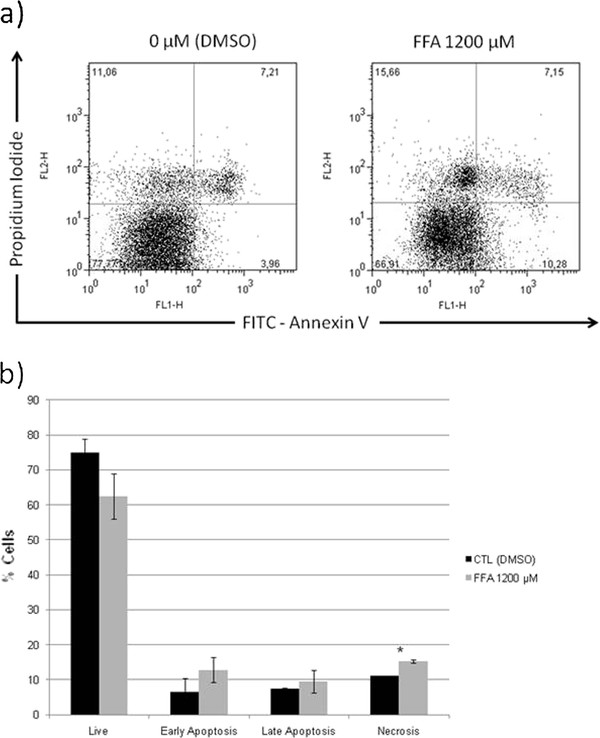
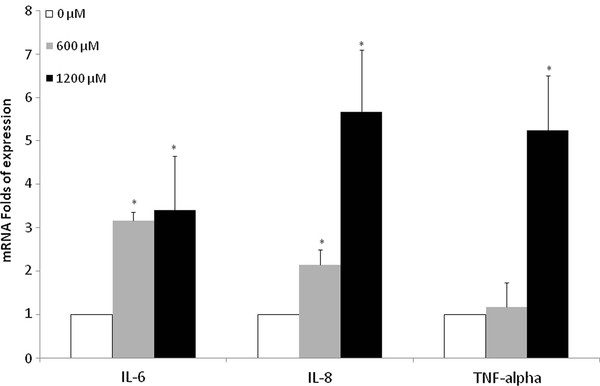
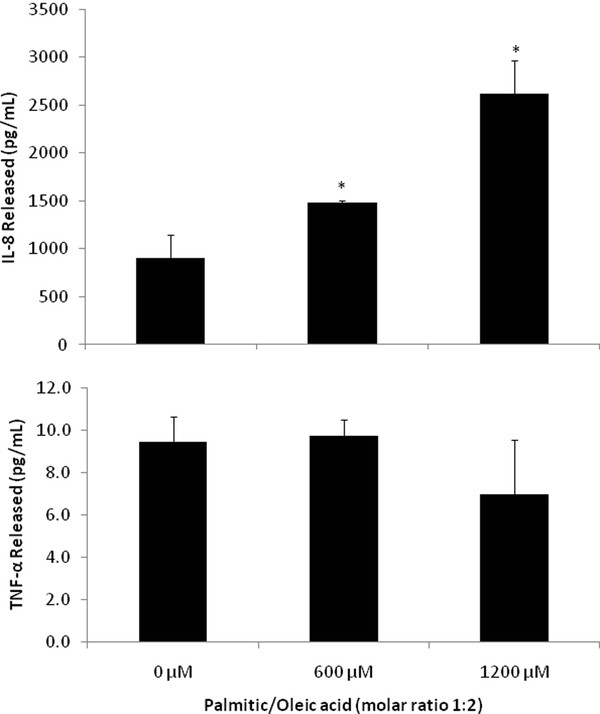
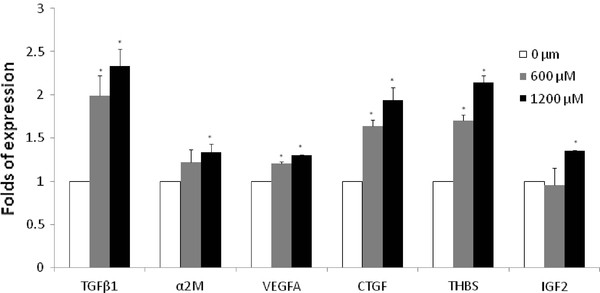
FFA induces a significant increment in the intracellular content of lipid droplets. The gene expression of interleukin-6, interleukin-8 and tumor necrosis factor alpha was significantly increased. The protein level of interleukin-8 was also increased. Intracellular lipid accumulation was associated to a significant up-regulation in the gene expression of transforming growth factor beta 1, alpha 2 macroglobulin, vascular endothelial growth factor A, connective tissue growth factor, insulin-like growth factor 2, thrombospondin 1. Flow cytometry analysis demonstrated a significant increment of early apoptosis and production of reactive oxygen species.
The exposure of hepatocytes to fatty acids elicits inflammation, increase of oxidative stress, apoptosis and production of fibrogenic cytokines. These data support a primary role of FFA in the pathogenesis of NAFLD and NASH.
体外培养的肝细胞暴露于高浓度游离脂肪酸(FFA)会导致脂肪过载,从而促进炎症和纤维化反应,类似于非酒精性脂肪性肝病(NAFLD)和非酒精性脂肪性肝炎(NASH)患者中观察到的反应。由于尚未完全阐明这种情况的机制,我们旨在分析新的 NASH 体外模型中的纤维生成刺激物。
HuH7 细胞在含有牛血清白蛋白和不同浓度棕榈酸和油酸(摩尔比为 1:2)的丰富培养基中培养 24 小时。测量细胞毒性、细胞凋亡、氧化应激以及炎症和纤维化细胞因子的产生。
FFA 诱导细胞内脂滴含量显著增加。白细胞介素 6、白细胞介素 8 和肿瘤坏死因子-α的基因表达显著增加。白细胞介素 8 的蛋白水平也增加。细胞内脂质积累与转化生长因子-β 1、α 2 巨球蛋白、血管内皮生长因子 A、结缔组织生长因子、胰岛素样生长因子 2、血小板反应蛋白 1 的基因表达显著上调相关。流式细胞术分析表明早期凋亡和活性氧产生显著增加。
肝细胞暴露于脂肪酸会引发炎症、氧化应激增加、细胞凋亡和纤维生成细胞因子的产生。这些数据支持 FFA 在 NAFLD 和 NASH 发病机制中的主要作用。