Institute of Parasitology, McGill University, Sainte Anne de Bellevue, Quebec, Canada.
PLoS Negl Trop Dis. 2012;6(2):e1523. doi: 10.1371/journal.pntd.0001523. Epub 2012 Feb 28.
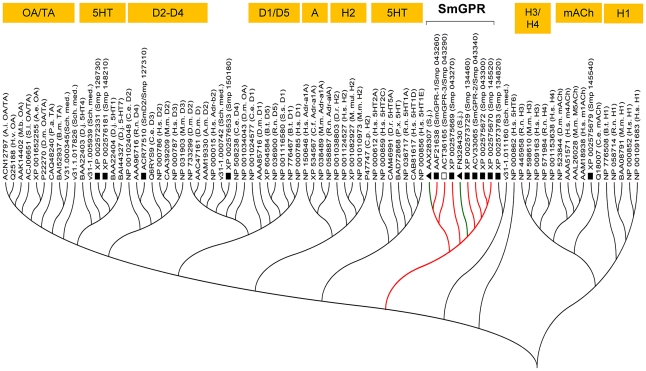
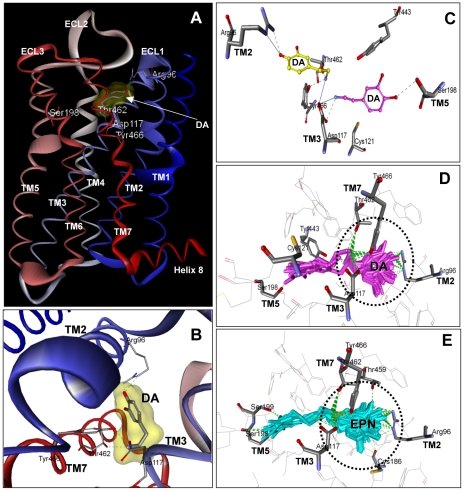
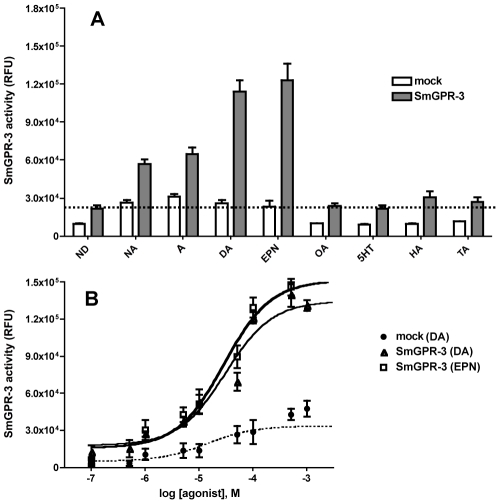
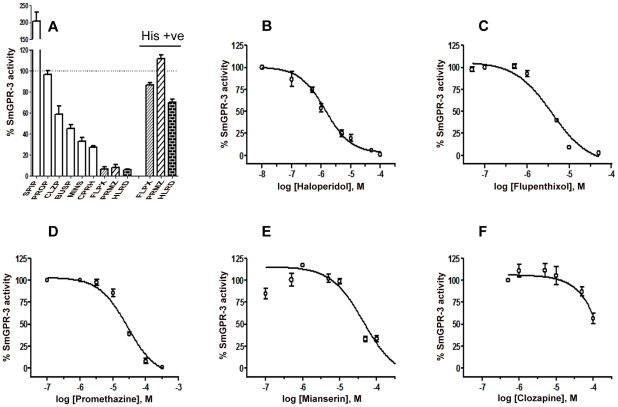
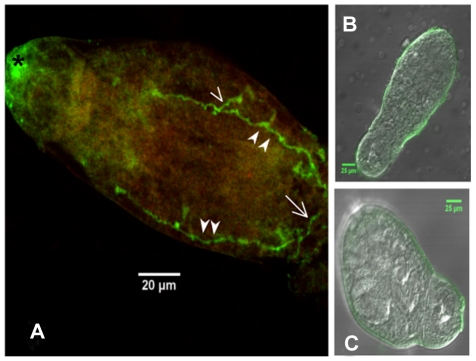
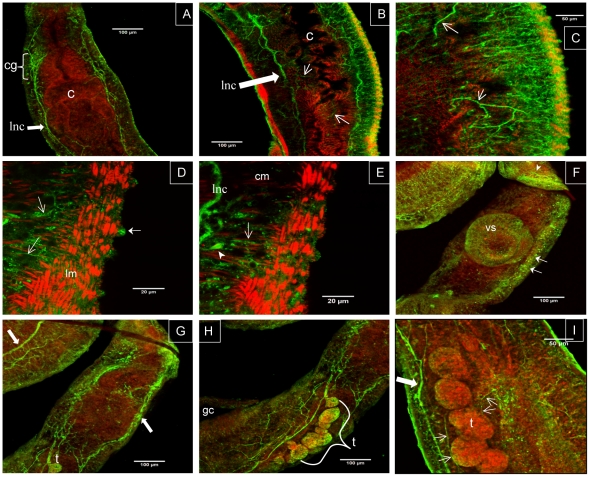
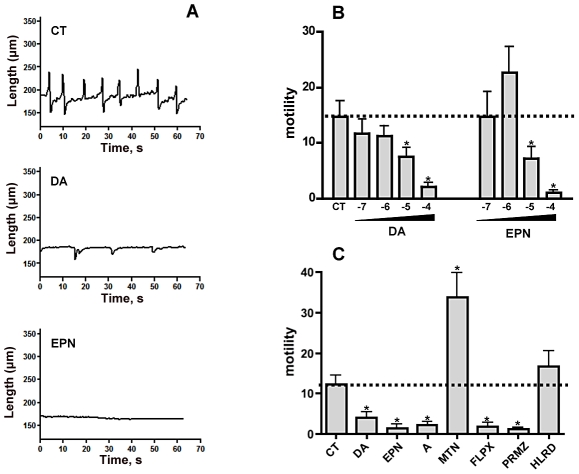
Schistosomes have a well developed nervous system that coordinates virtually every activity of the parasite and therefore is considered to be a promising target for chemotherapeutic intervention. Neurotransmitter receptors, in particular those involved in neuromuscular control, are proven drug targets in other helminths but very few of these receptors have been identified in schistosomes and little is known about their roles in the biology of the worm. Here we describe a novel Schistosoma mansoni G protein-coupled receptor (named SmGPR-3) that was cloned, expressed heterologously and shown to be activated by dopamine, a well established neurotransmitter of the schistosome nervous system. SmGPR-3 belongs to a new clade of "orphan" amine-like receptors that exist in schistosomes but not the mammalian host. Further analysis of the recombinant protein showed that SmGPR-3 can also be activated by other catecholamines, including the dopamine metabolite, epinine, and it has an unusual antagonist profile when compared to mammalian receptors. Confocal immunofluorescence experiments using a specific peptide antibody showed that SmGPR-3 is abundantly expressed in the nervous system of schistosomes, particularly in the main nerve cords and the peripheral innervation of the body wall muscles. In addition, we show that dopamine, epinine and other dopaminergic agents have strong effects on the motility of larval schistosomes in culture. Together, the results suggest that SmGPR-3 is an important neuronal receptor and is probably involved in the control of motor activity in schistosomes. We have conducted a first analysis of the structure of SmGPR-3 by means of homology modeling and virtual ligand-docking simulations. This investigation has identified potentially important differences between SmGPR-3 and host dopamine receptors that could be exploited to develop new, parasite-selective anti-schistosomal drugs.
血吸虫具有发达的神经系统,几乎可以协调寄生虫的所有活动,因此被认为是化学治疗干预的有前途的靶标。神经递质受体,特别是那些参与神经肌肉控制的受体,是其他蠕虫类寄生虫中已被证实的药物靶标,但在血吸虫中已鉴定出的这些受体很少,并且对其在蠕虫生物学中的作用知之甚少。在这里,我们描述了一种新的曼氏血吸虫 G 蛋白偶联受体(命名为 SmGPR-3),该受体已被克隆、异源表达,并被证明可被多巴胺激活,多巴胺是血吸虫神经系统的一种成熟的神经递质。SmGPR-3 属于一个新的“孤儿”胺样受体家族,该家族存在于血吸虫中,但不存在于哺乳动物宿主中。对重组蛋白的进一步分析表明,SmGPR-3 也可被其他儿茶酚胺激活,包括多巴胺代谢物肾上腺素,并且与哺乳动物受体相比,它具有异常的拮抗剂特性。使用特异性肽抗体的共聚焦免疫荧光实验表明,SmGPR-3 在血吸虫的神经系统中大量表达,特别是在主要神经索和体壁肌肉的外周神经支配中。此外,我们还表明,多巴胺、肾上腺素和其他多巴胺能药物对培养中的幼虫血吸虫的运动有很强的影响。总之,这些结果表明 SmGPR-3 是一种重要的神经元受体,可能参与了血吸虫运动活动的控制。我们已经通过同源建模和虚拟配体对接模拟对 SmGPR-3 的结构进行了首次分析。该研究确定了 SmGPR-3 与宿主多巴胺受体之间可能被利用来开发新的、针对寄生虫的抗血吸虫药物的潜在重要差异。