Patocka Nicholas, Sharma Nidhi, Rashid Mohammed, Ribeiro Paula
Institute of Parasitology, McGill University, Macdonald Campus, Ste. Anne de Bellevue, Quebec, Canada.
PLoS Pathog. 2014 Jan;10(1):e1003878. doi: 10.1371/journal.ppat.1003878. Epub 2014 Jan 16.
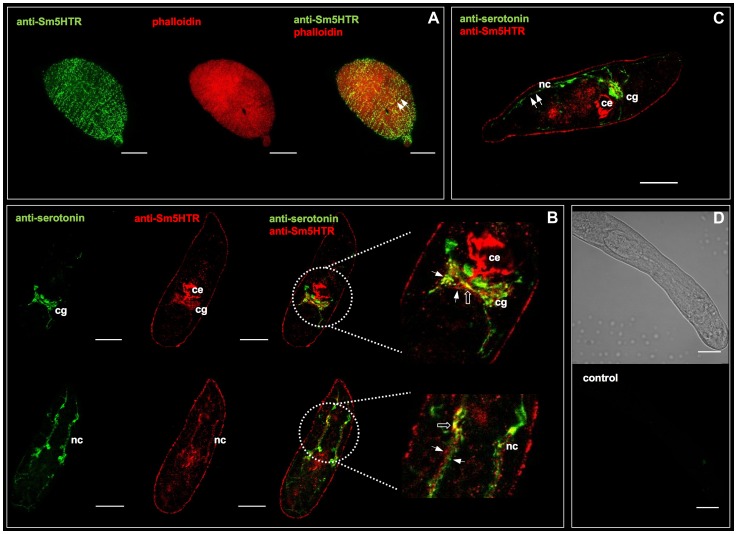
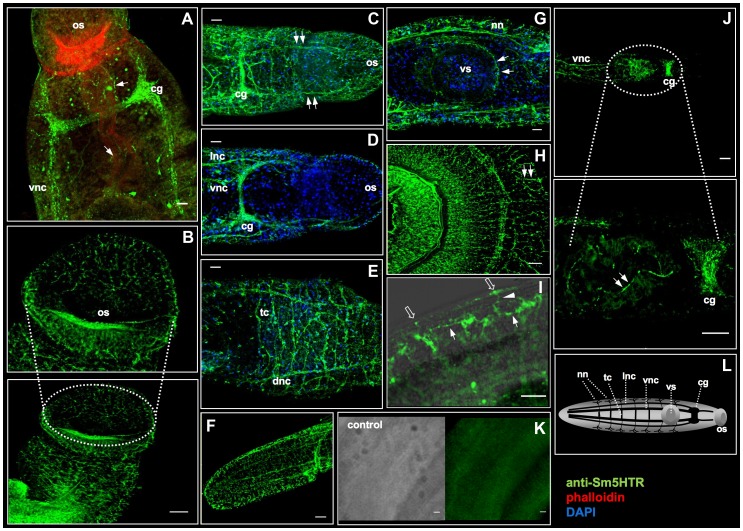
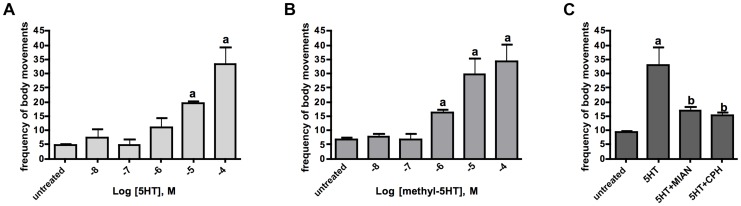
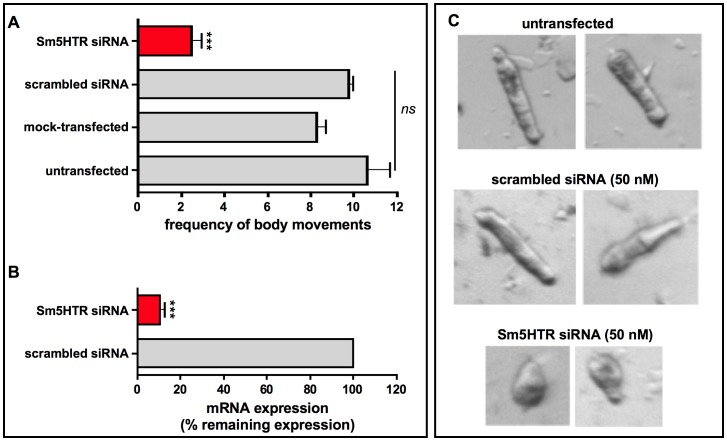
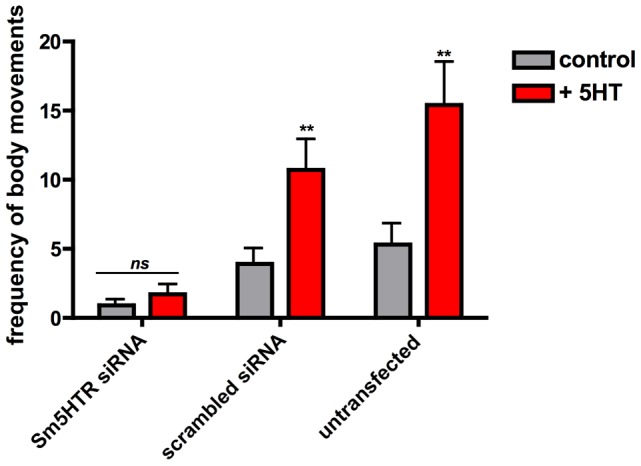
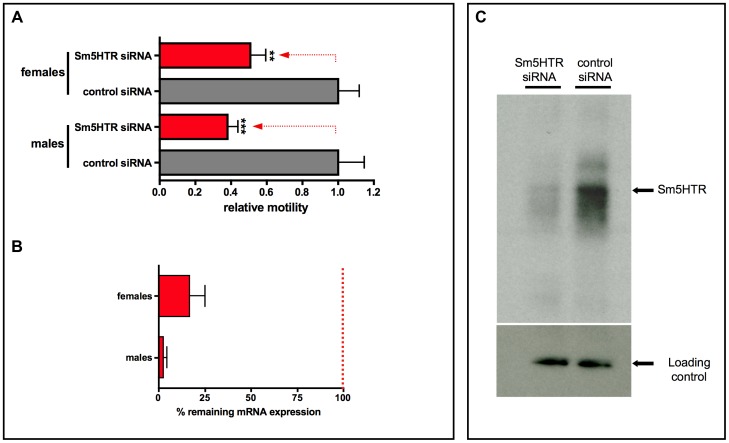
Serotonin is an important neuroactive substance in all the parasitic helminths. In Schistosoma mansoni, serotonin is strongly myoexcitatory; it potentiates contraction of the body wall muscles and stimulates motor activity. This is considered to be a critical mechanism of motor control in the parasite, but the mode of action of serotonin is poorly understood. Here we provide the first molecular evidence of a functional serotonin receptor (Sm5HTR) in S. mansoni. The schistosome receptor belongs to the G protein-coupled receptor (GPCR) superfamily and is distantly related to serotonergic type 7 (5HT7) receptors from other species. Functional expression studies in transfected HEK 293 cells showed that Sm5HTR is a specific serotonin receptor and it signals through an increase in intracellular cAMP, consistent with a 5HT7 signaling mechanism. Immunolocalization studies with a specific anti-Sm5HTR antibody revealed that the receptor is abundantly distributed in the worm's nervous system, including the cerebral ganglia and main nerve cords of the central nervous system and the peripheral innervation of the body wall muscles and tegument. RNA interference (RNAi) was performed both in schistosomulae and adult worms to test whether the receptor is required for parasite motility. The RNAi-suppressed adults and larvae were markedly hypoactive compared to the corresponding controls and they were also resistant to exogenous serotonin treatment. These results show that Sm5HTR is at least one of the receptors responsible for the motor effects of serotonin in S. mansoni. The fact that Sm5HTR is expressed in nerve tissue further suggests that serotonin stimulates movement via this receptor by modulating neuronal output to the musculature. Together, the evidence identifies Sm5HTR as an important neuronal protein and a key component of the motor control apparatus in S. mansoni.
血清素是所有寄生蠕虫体内一种重要的神经活性物质。在曼氏血吸虫中,血清素具有强烈的肌兴奋作用;它可增强体壁肌肉的收缩并刺激运动活性。这被认为是该寄生虫运动控制的关键机制,但血清素的作用方式却知之甚少。在此,我们首次提供了曼氏血吸虫中功能性血清素受体(Sm5HTR)的分子证据。血吸虫受体属于G蛋白偶联受体(GPCR)超家族,与其他物种的血清素能7型(5HT7)受体有较远的亲缘关系。在转染的HEK 293细胞中进行的功能表达研究表明,Sm5HTR是一种特异性血清素受体,它通过细胞内cAMP的增加来传递信号,这与5HT7信号传导机制一致。用特异性抗Sm5HTR抗体进行的免疫定位研究表明,该受体大量分布于虫体的神经系统中,包括中枢神经系统的脑神经节和主要神经索以及体壁肌肉和体表的外周神经支配。在童虫和成虫中均进行了RNA干扰(RNAi)实验,以测试该受体是否是寄生虫运动所必需的。与相应的对照相比,RNAi抑制的成虫和幼虫明显活动减弱,并且它们对外源血清素处理也具有抗性。这些结果表明,Sm5HTR至少是曼氏血吸虫中负责血清素运动效应的受体之一。Sm5HTR在神经组织中表达这一事实进一步表明,血清素通过调节对肌肉组织的神经元输出,经由该受体刺激运动。总之,这些证据确定Sm5HTR是曼氏血吸虫中一种重要的神经元蛋白和运动控制装置的关键组成部分。