Department of Pediatrics, Weill Medical College, Cornell University, New York, New York, United States of America.
PLoS One. 2012;7(3):e30538. doi: 10.1371/journal.pone.0030538. Epub 2012 Mar 2.
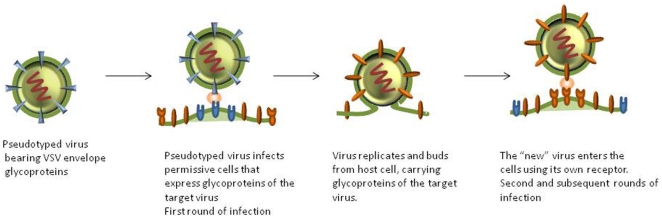
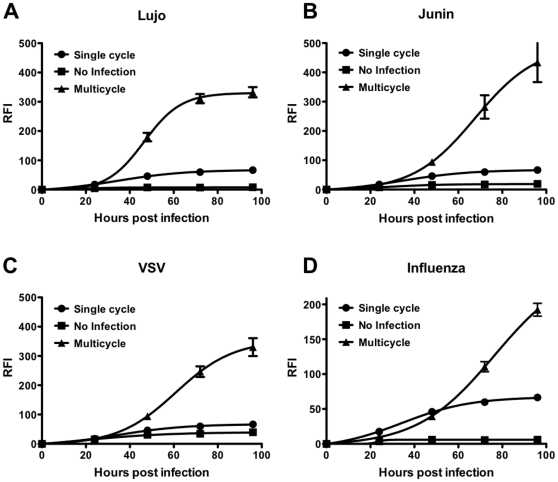
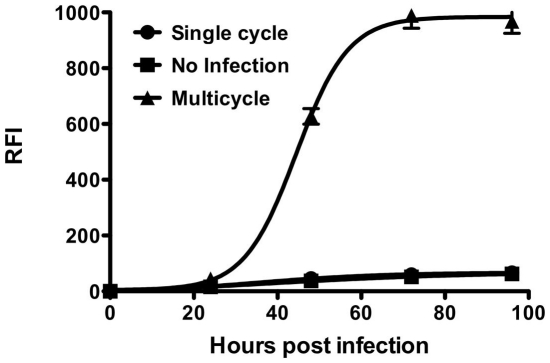
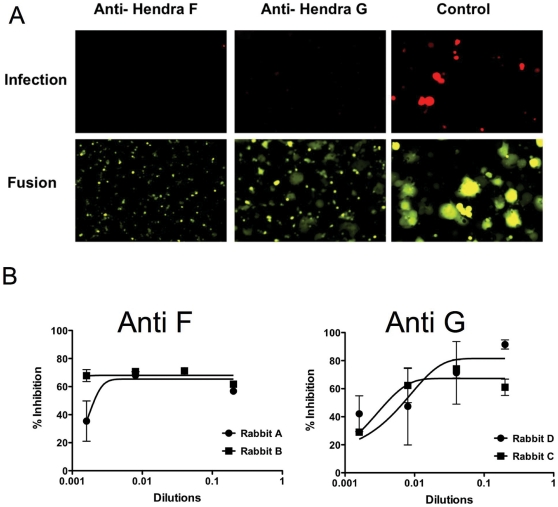
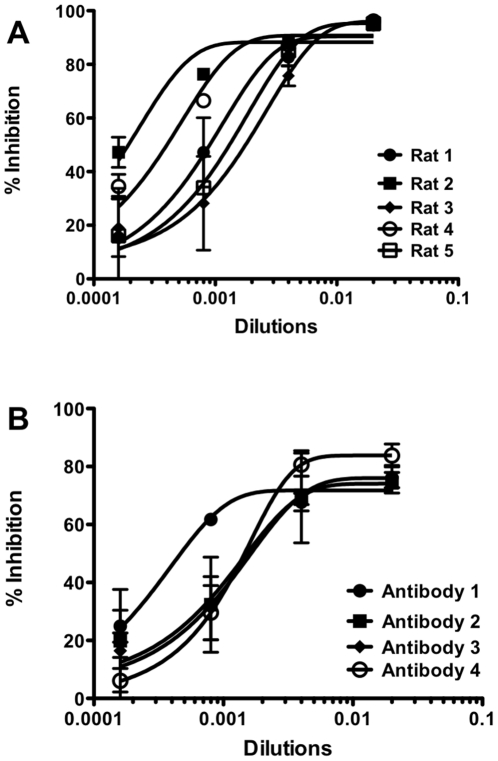
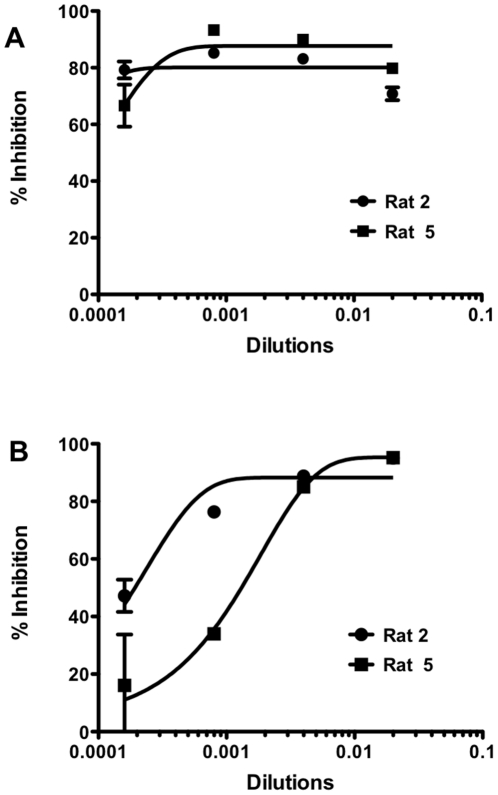
Emerging viruses including Nipah, Hendra, Lujo, and Junin viruses have enormous potential to spread rapidly. Nipah virus, after emerging as a zoonosis, has also evolved the capacity for human-to-human transmission. Most of the diseases caused by these pathogens are untreatable and require high biocontainment conditions. Universal methods for rapidly identifying and screening candidate antivirals are urgently needed. We have developed a modular antiviral platform strategy that relies on simple bioinformatic and genetic information about each pathogen. Central to this platform is the use of envelope glycoprotein cDNAs to establish multi-cycle replication systems under BSL2 conditions for viral pathogens that normally require BSL3 and BSL4 facilities. We generated monoclonal antibodies against Nipah G by cDNA immunization in rats, and we showed that these antibodies neutralize both Nipah and Hendra live viruses. We then used these effective Henipavirus inhibitors to validate our screening strategy. Our proposed strategy should contribute to the response capability for emerging infectious diseases, providing a way to initiate antiviral development immediately upon identifying novel viruses.
新兴病毒,包括尼帕、亨德拉、卢约和胡宁病毒,具有迅速传播的巨大潜力。尼帕病毒在成为人畜共患病后,也进化出了人际传播的能力。这些病原体引起的大多数疾病都是无法治愈的,需要高度的生物安全控制条件。迫切需要通用的方法来快速识别和筛选候选抗病毒药物。我们开发了一种模块化的抗病毒平台策略,该策略依赖于每种病原体的简单生物信息学和遗传信息。该平台的核心是使用包膜糖蛋白 cDNA 在 BSL2 条件下建立多周期复制系统,用于通常需要 BSL3 和 BSL4 设施的病毒病原体。我们通过在大鼠中进行 cDNA 免疫产生了针对尼帕 G 的单克隆抗体,并且我们表明这些抗体中和了尼帕和亨德拉活病毒。然后,我们使用这些有效的亨尼帕病毒抑制剂来验证我们的筛选策略。我们提出的策略应该有助于应对新发传染病的能力,为在鉴定新病毒后立即启动抗病毒药物的开发提供了一种方法。