Institute of Biochemical and Biomedical Engineering, Chang Gung University, Taoyuan, Taiwan, Republic of China.
Int J Nanomedicine. 2012;7:1101-14. doi: 10.2147/IJN.S28753. Epub 2012 Feb 23.
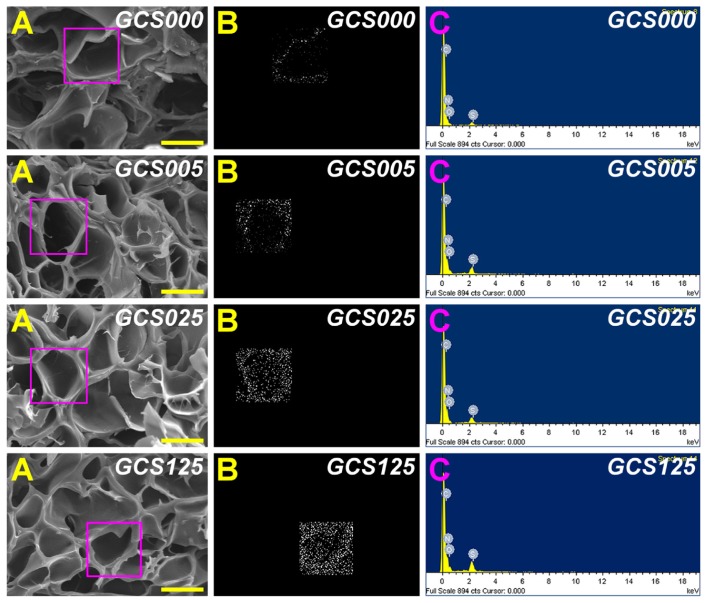
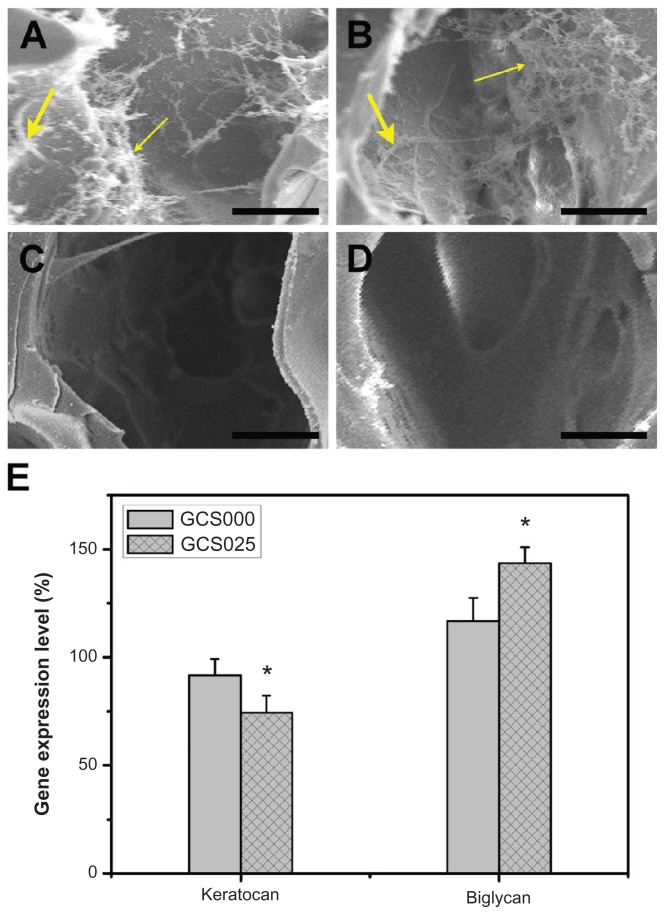
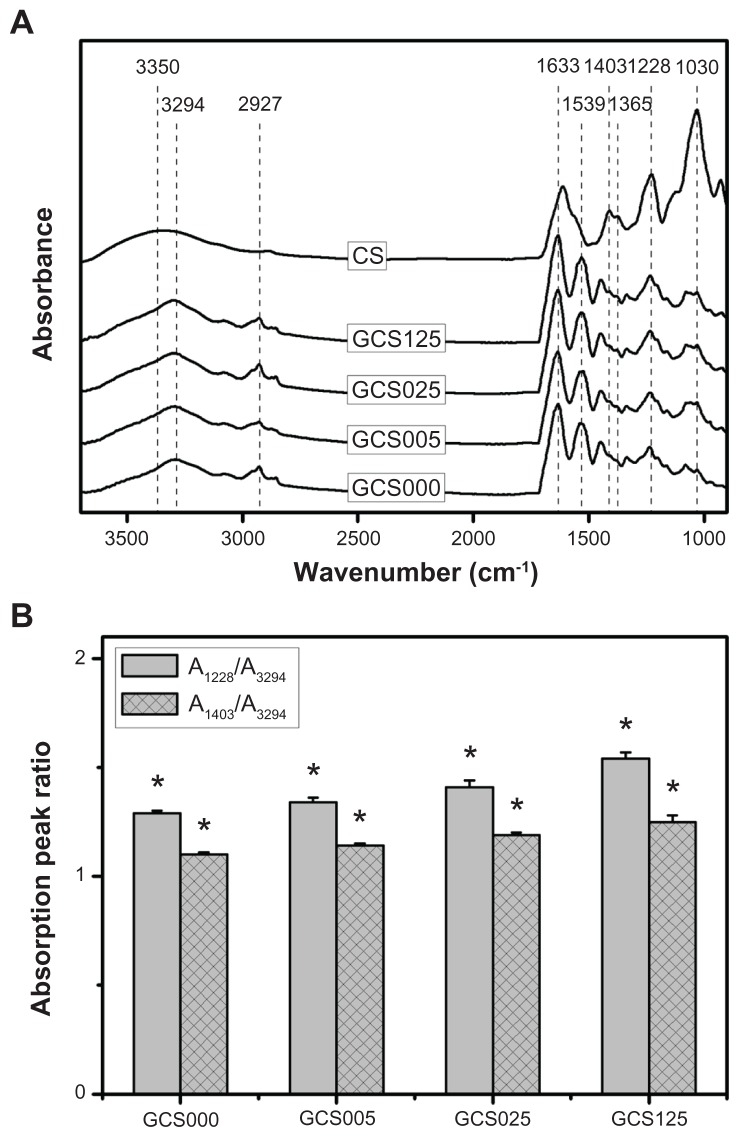
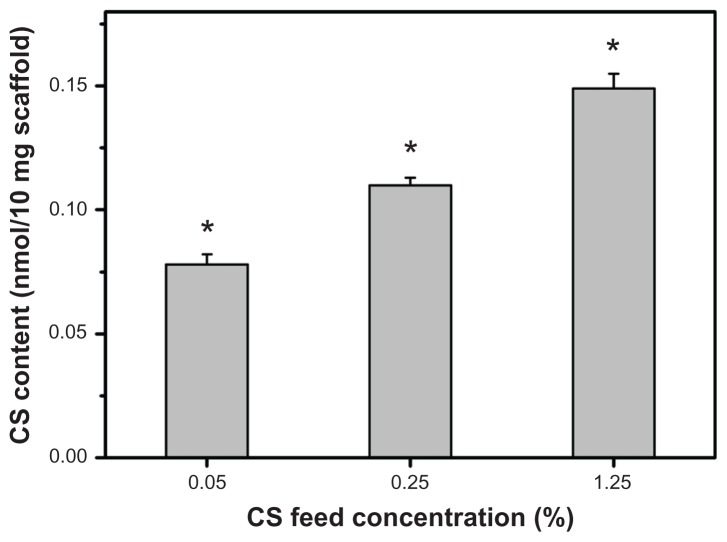
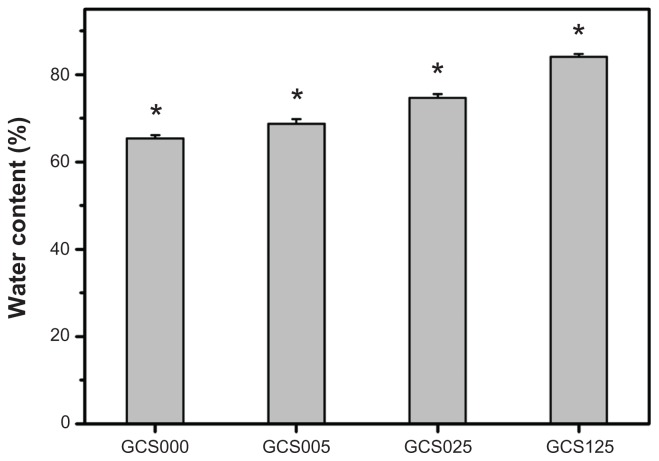
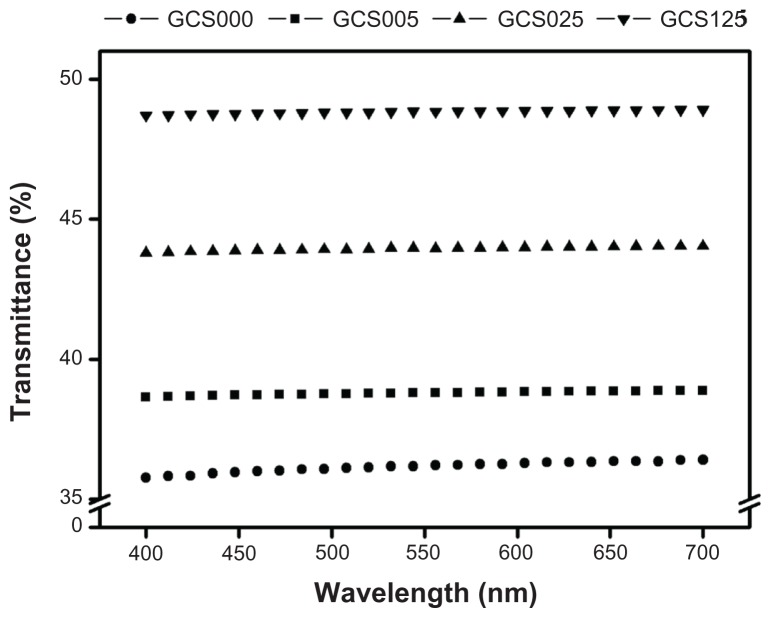
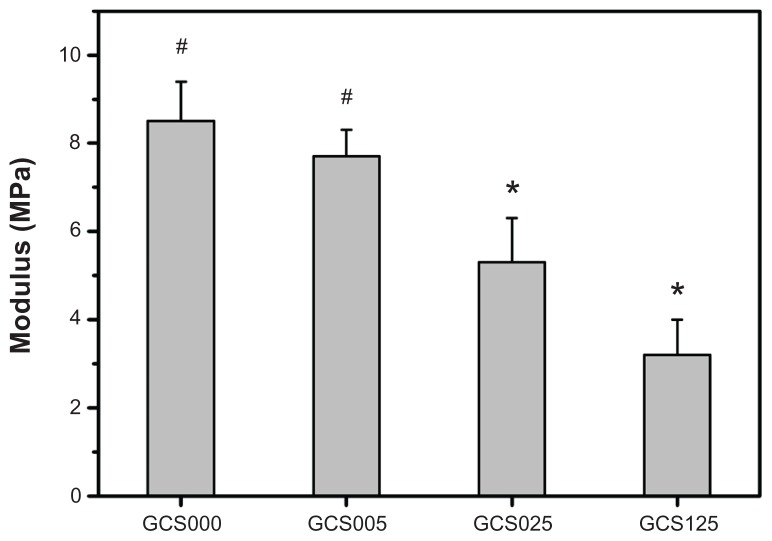
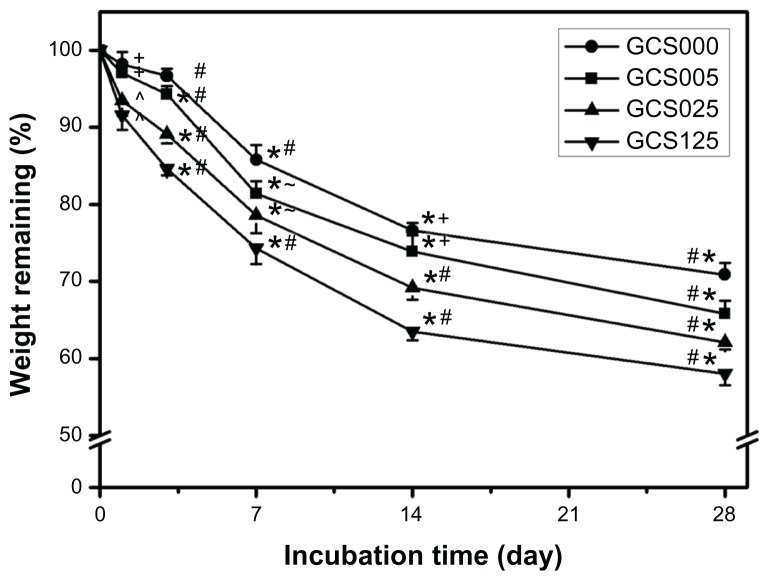
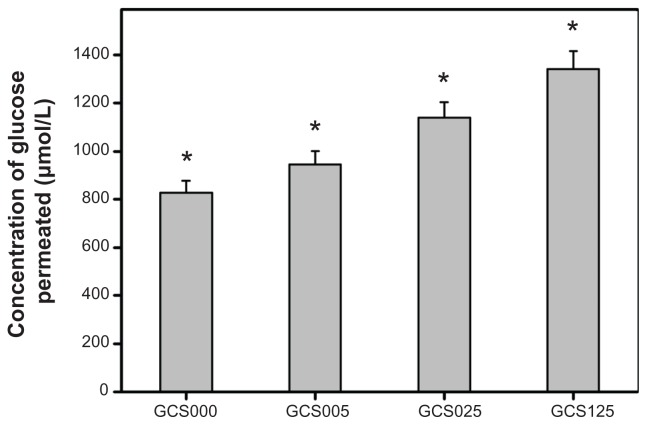
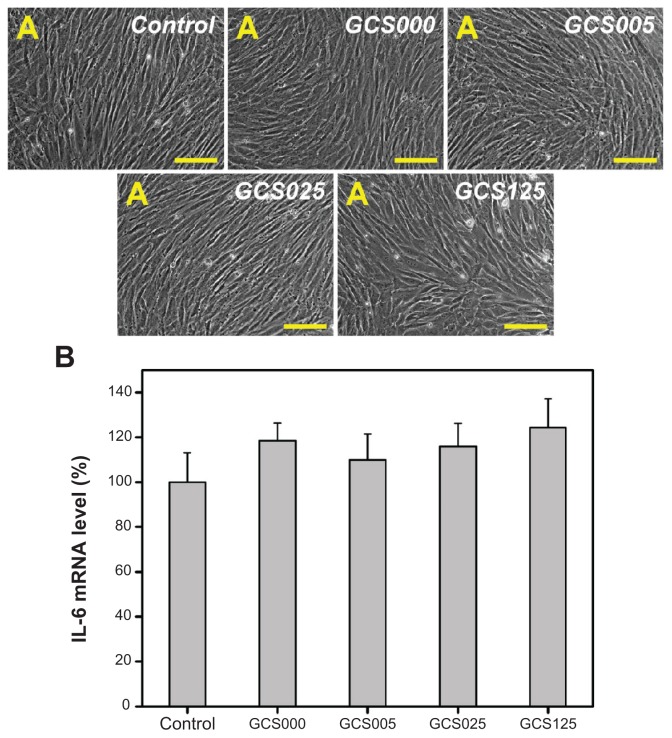
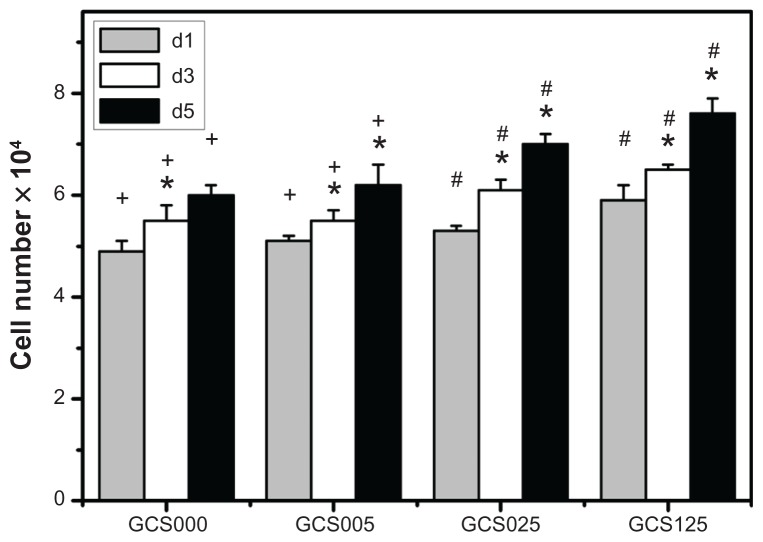
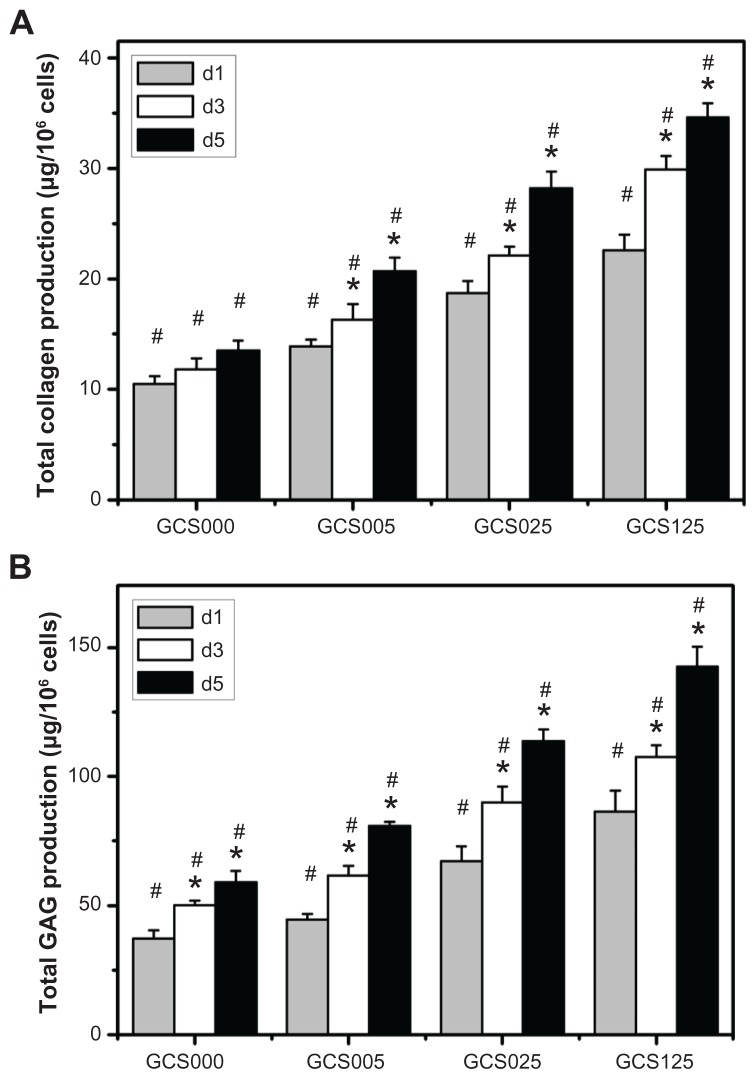
Recent studies reflect the importance of using naturally occurring biopolymers as three-dimensional corneal keratocyte scaffolds and suggest that the porous structure of gelatin materials may play an important role in controlling nutrient uptake. In the current study, the authors further consider the application of carbodiimide cross-linked porous gelatin as an alternative to collagen for corneal stromal tissue engineering. The authors developed corneal keratocyte scaffolds by nanoscale modification of porous gelatin materials with chondroitin sulfate (CS) using carbodiimide chemistry. Scanning electron microscopy/energy dispersive X-ray spectroscopy and Fourier transform infrared spectroscopy showed that the amount of covalently incorporated polysaccharide was significantly increased when the CS concentration was increased from 0% to 1.25% (w/v). In addition, as demonstrated by dimethylmethylene blue assays, the CS content in these samples was in the range of 0.078-0.149 nmol per 10 mg scaffold. When compared with their counterparts without CS treatment, various CS-modified porous gelatin membranes exhibited higher levels of water content, light transmittance, and amount of permeated nutrients but possessed lower Young's modulus and resistance against protease digestion. The hydrophilic and mechanical properties of scaffolds modified with 0.25% CS were comparable with those of native corneas. The samples from this group were biocompatible with the rabbit corneal keratocytes and showed enhanced proliferative and biosynthetic capacity of cultured cells. In summary, the authors found that the nanoscale-level modification has influence on the characteristics and cell-material interactions of CS-containing gelatin hydrogels. Porous membranes with a CS content of 0.112 ± 0.003 nmol per 10 mg scaffold may hold potential for use in corneal stromal tissue engineering.
最近的研究反映了使用天然存在的生物聚合物作为三维角膜成纤维细胞支架的重要性,并表明明胶材料的多孔结构可能在控制营养吸收方面发挥重要作用。在目前的研究中,作者进一步考虑将碳化二亚胺交联多孔明胶作为胶原替代物用于角膜基质组织工程。作者通过碳化二亚胺化学,用硫酸软骨素(CS)对多孔明胶材料进行纳米级修饰,开发了角膜成纤维细胞支架。扫描电子显微镜/能量色散 X 射线能谱和傅里叶变换红外光谱表明,当 CS 浓度从 0%增加到 1.25%(w/v)时,共价结合的多糖量显著增加。此外,正如二甲亚甲基蓝试验所示,这些样品中的 CS 含量在 0.078-0.149 nmol/10 mg 支架的范围内。与未经 CS 处理的对照物相比,各种 CS 修饰的多孔明胶膜具有更高的含水量、透光率和渗透营养物质的量,但具有更低的杨氏模量和抗蛋白酶消化的能力。用 0.25% CS 修饰的支架的亲水性和机械性能与天然角膜相当。该组样品与兔角膜成纤维细胞具有生物相容性,并显示出培养细胞增殖和生物合成能力的增强。总之,作者发现纳米级修饰对含 CS 的明胶水凝胶的特性和细胞-材料相互作用有影响。含有 0.112±0.003 nmol/10 mg 支架 CS 的多孔膜可能在角膜基质组织工程中有应用潜力。