Neuroscience Program, University of Miami Miller School of Medicine, Miami FL, USA.
Front Mol Neurosci. 2012 Mar 1;5:24. doi: 10.3389/fnmol.2012.00024. eCollection 2012.
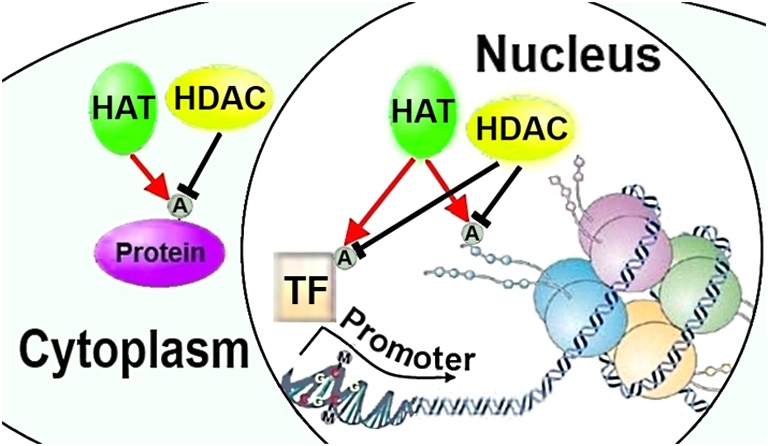
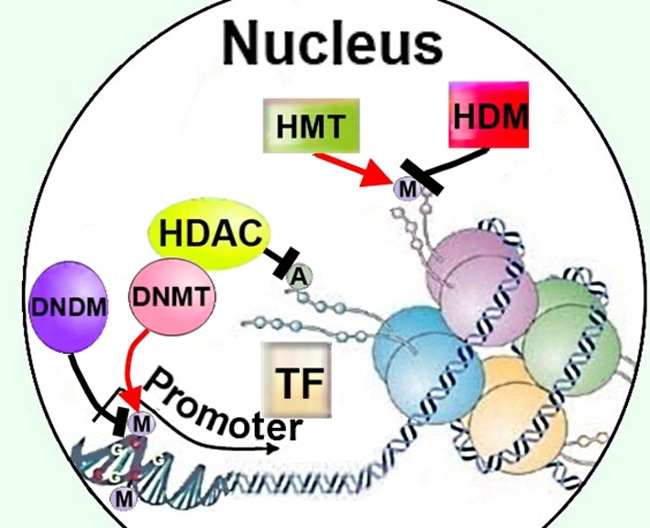
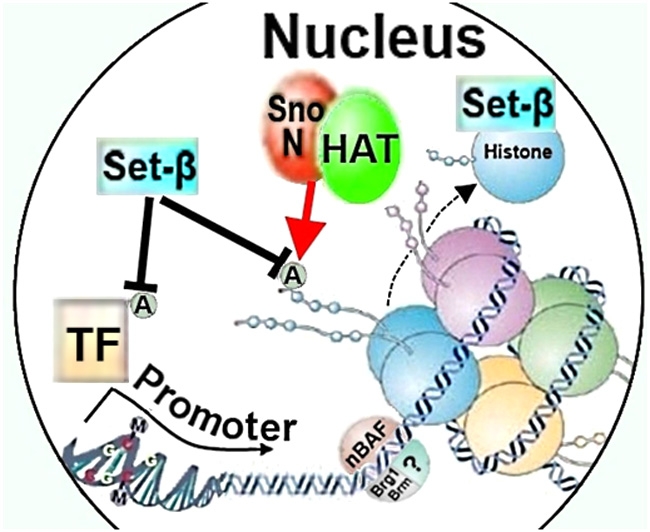
Neuroregenerative therapies for central nervous system (CNS) injury, neurodegenerative disease, or stroke require axons of damaged neurons to grow and re-innervate their targets. However, mature mammalian CNS neurons do not regenerate their axons, limiting recovery in these diseases. Although neurons' intrinsic capacity for axon growth may depend in part on the panoply of expressed transcription factors, epigenetic factors such as the accessibility of DNA and organization of chromatin are required for downstream genes to be transcribed. Thus, a potential approach to overcoming regenerative failure focuses on the epigenetic mechanisms regulating regenerative gene expression in the CNS. Here we review molecular mechanisms regulating the epigenetic state of DNA through chromatin modifications, their implications for regulating axon and dendrite growth, and important new directions for this field of study.
中枢神经系统(CNS)损伤、神经退行性疾病或中风的神经再生疗法需要受损神经元的轴突生长并重新支配其靶标。然而,成熟的哺乳动物 CNS 神经元不能再生其轴突,从而限制了这些疾病的恢复。尽管神经元内在的轴突生长能力可能部分取决于表达的转录因子的多样性,但 DNA 的可及性和染色质的组织等表观遗传因素对于下游基因的转录是必需的。因此,克服再生失败的一种潜在方法是关注调节 CNS 中再生基因表达的表观遗传机制。在这里,我们综述了通过染色质修饰调节 DNA 表观遗传状态的分子机制,及其对调节轴突和树突生长的影响,并为该研究领域提出了重要的新方向。