Elshamaa Manal F, Sabry Samar M, El-Sonbaty Marwa M, Elghoroury Eman A, Emara Nahed, Raafat Mona, Kandil Dina, Elsaaid Gamila
Pediatric Department, National Research Centre, 33 El-Behous street, Dokki, PC:12311, Cairo, Egypt.
BMC Res Notes. 2012 Apr 3;5:174. doi: 10.1186/1756-0500-5-174.
The prevalence of cardiovascular disease (CVD) and inflammation is high in patients with chronic kidney disease (CKD). Adiponectin (ADPN) is an adipocytokine that may have significant anti-inflammatory and anti-atherosclerotic effects. Low adiponectin levels have previously been found in patients with high risk for CVD.
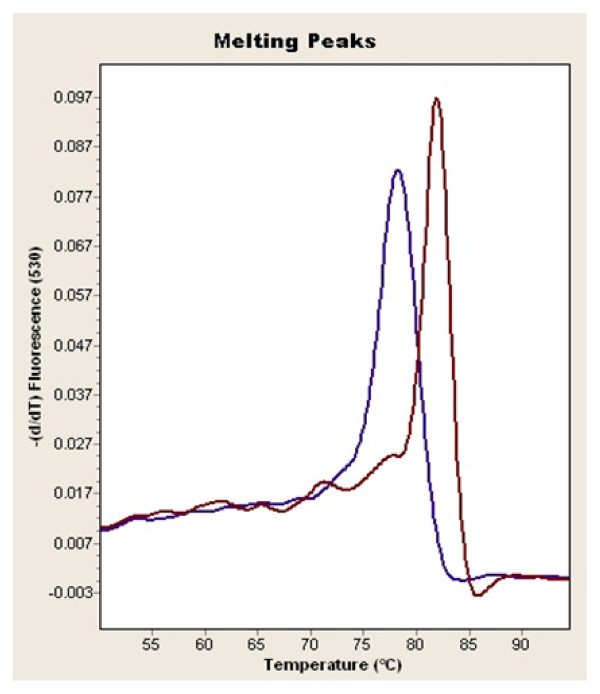
On seventy eight advanced CKD (stages 4 and 5) pediatric patients undergoing maintenance hemodialysis( MHD) or conservative treatment (CT) the following parameters were studied: body mass index, left ventricular mass index(LVMI), serum adiponectin , cholesterol, HDL-cholesterol, high sensitivity C-reactive protein (hs CRP),interleukin 6(IL6) and single-nucleotide polymorphisms (SNPs) in the ADIPOQ gene at positions 45, and 276. Seventy age-and gender-matched healthy subjects served as control subjects.
Markedly (P = 0.01) elevated plasma adiponectin levels were observed in CKD patients, especially CT patients, compared to control subjects. The wild type of ADIPOQ 45T > G (T) allele is the main gene for patients and controls. MHD and CT patients had significantly higher frequency of the TT genotypes of +276G > T gene (P = 0.04) compared with control subjects. A significant positive correlation was observed between plasma adiponectin and IL6 level, whereas negative correlations were found between adiponectin level, cholesterol, HDL cholesterol and hs CRP. In a stepwise backward multiple regression model only IL6 (P = 0.001) was independently associated with plasma adiponectin levels. The adiponectin gene the 276 GT+TT genotypes were associated with a higher level of adiponectin .
The present study demonstrated that ADPN is related to several metabolic and inflammatory CV risk factors in a manner consistent with the hypothesis that this protein might have a protective role against these factors. We observed an association between the +276G>T SNP in the adiponectin gene and CKD in children. Genetic variation of +276 gene seemed to have a positive impact on circulating adiponectin levels in CKD patients.
慢性肾脏病(CKD)患者心血管疾病(CVD)和炎症的患病率较高。脂联素(ADPN)是一种脂肪细胞因子,可能具有显著的抗炎和抗动脉粥样硬化作用。此前已发现CVD高风险患者的脂联素水平较低。
对78例接受维持性血液透析(MHD)或保守治疗(CT)的晚期CKD(4期和5期)儿科患者,研究了以下参数:体重指数、左心室质量指数(LVMI)、血清脂联素、胆固醇、高密度脂蛋白胆固醇、高敏C反应蛋白(hs CRP)、白细胞介素6(IL6)以及脂联素基因(ADIPOQ)第45位和第276位的单核苷酸多态性(SNP)。70名年龄和性别匹配的健康受试者作为对照。
与对照相比,CKD患者,尤其是CT患者,血浆脂联素水平显著升高(P = 0.01)。ADIPOQ 45T>G(T)等位基因的野生型是患者和对照的主要基因。与对照相比,MHD和CT患者+276G>T基因的TT基因型频率显著更高(P = 0.04)。血浆脂联素与IL6水平之间存在显著正相关,而脂联素水平与胆固醇、高密度脂蛋白胆固醇和hs CRP之间存在负相关。在逐步向后多元回归模型中,只有IL6(P = 0.001)与血浆脂联素水平独立相关。脂联素基因276 GT+TT基因型与较高的脂联素水平相关。
本研究表明,ADPN与多种代谢和炎症性心血管危险因素相关,这与该蛋白可能对这些因素具有保护作用的假设一致。我们观察到脂联素基因中的+276G>T SNP与儿童CKD之间存在关联。+276基因的遗传变异似乎对CKD患者循环脂联素水平有积极影响。