Institute of Plant Science and Resources, Okayama University, Okayama, Japan.
PLoS One. 2012;7(3):e33800. doi: 10.1371/journal.pone.0033800. Epub 2012 Mar 29.
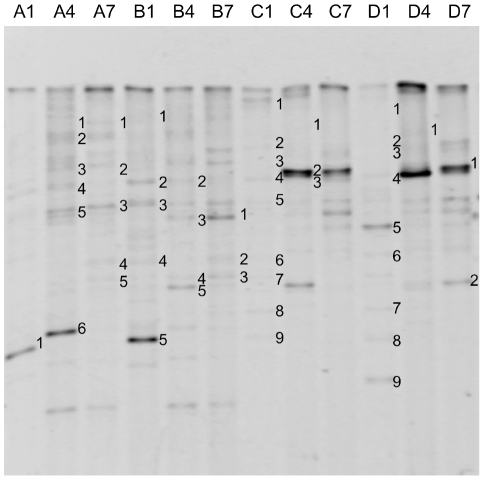
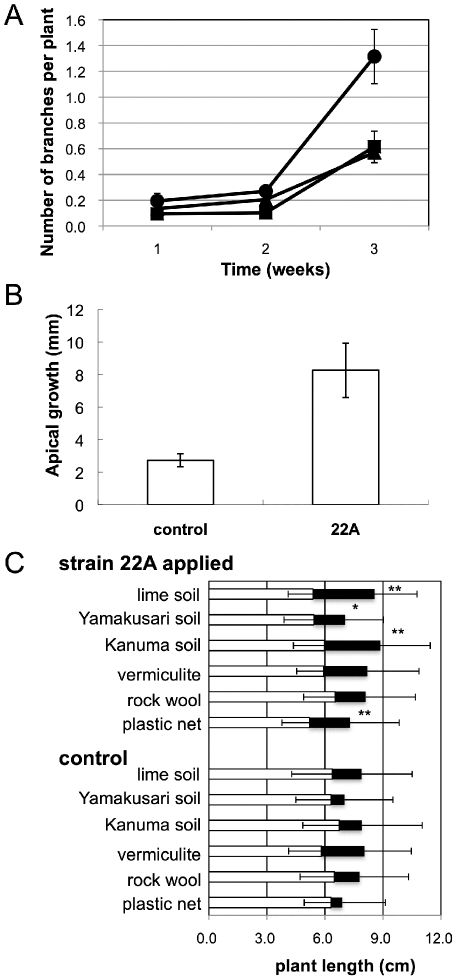
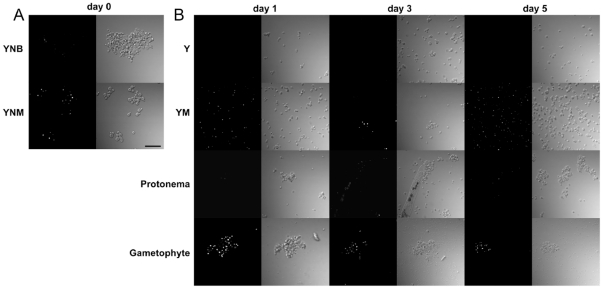
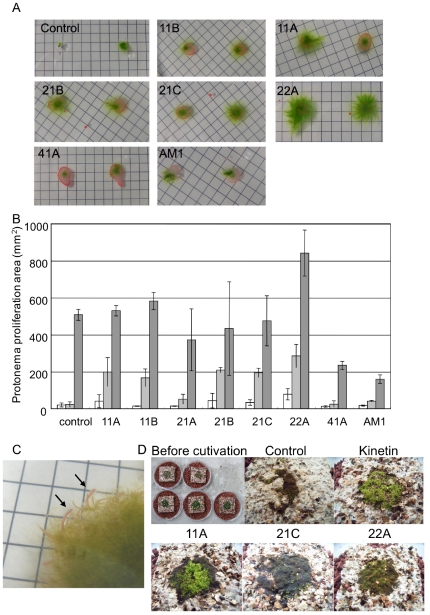
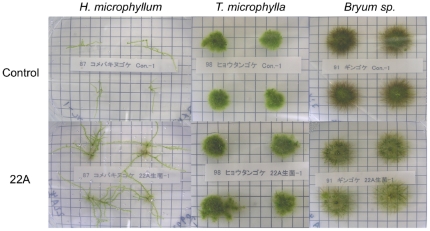
Bryophytes, or mosses, are considered the most maintenance-free materials for roof greening. Racomitrium species are most often used due to their high tolerance to desiccation. Because they grow slowly, a technology for forcing their growth is desired. We succeeded in the efficient production of R. japonicum in liquid culture. The structure of the microbial community is crucial to stabilize the culture. A culture-independent technique revealed that the cultures contain methylotrophic bacteria. Using yeast cells that fluoresce in the presence of methanol, methanol emission from the moss was confirmed, suggesting that it is an important carbon and energy source for the bacteria. We isolated Methylobacterium species from the liquid culture and studied their characteristics. The isolates were able to strongly promote the growth of some mosses including R. japonicum and seed plants, but the plant-microbe combination was important, since growth promotion was not uniform across species. One of the isolates, strain 22A, was cultivated with R. japonicum in liquid culture and in a field experiment, resulting in strong growth promotion. Mutualistic symbiosis can thus be utilized for industrial moss production.
苔藓植物,又称苔藓,被认为是最不需要维护的屋顶绿化材料。由于其对干燥的高耐受性,通常使用短肋巢蕨属物种。由于它们生长缓慢,因此需要一种促进其生长的技术。我们成功地在液体培养中高效生产了日本金发藓。微生物群落的结构对于稳定培养至关重要。一种非培养技术表明,培养物中含有甲醇营养型细菌。使用在存在甲醇的情况下发出荧光的酵母细胞,证实了苔藓从甲醇中发出的排放物,表明甲醇是细菌的重要碳源和能源。我们从液体培养物中分离出甲基杆菌属并研究了它们的特性。分离株能够强烈促进一些苔藓植物的生长,包括日本金发藓和种子植物,但植物-微生物的组合很重要,因为不同物种的生长促进效果并不均匀。其中一个分离株,菌株 22A,在液体培养和田间试验中与日本金发藓一起培养,结果表明其生长得到了强烈促进。因此,可以利用互利共生关系进行工业苔藓生产。