Department of Anatomy and Cell Biology, University of Florida, Gainesville, Florida, United States of America.
PLoS One. 2012;7(4):e34468. doi: 10.1371/journal.pone.0034468. Epub 2012 Apr 3.
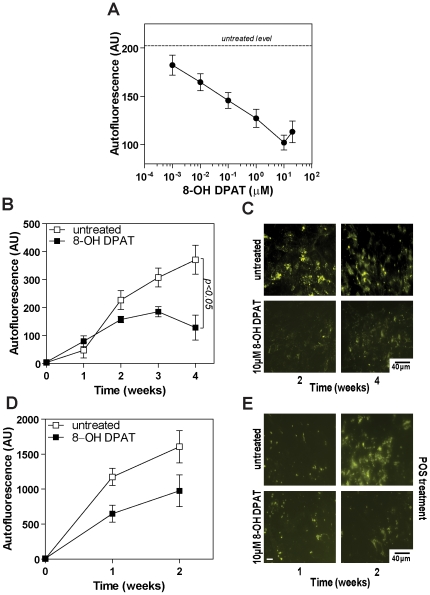
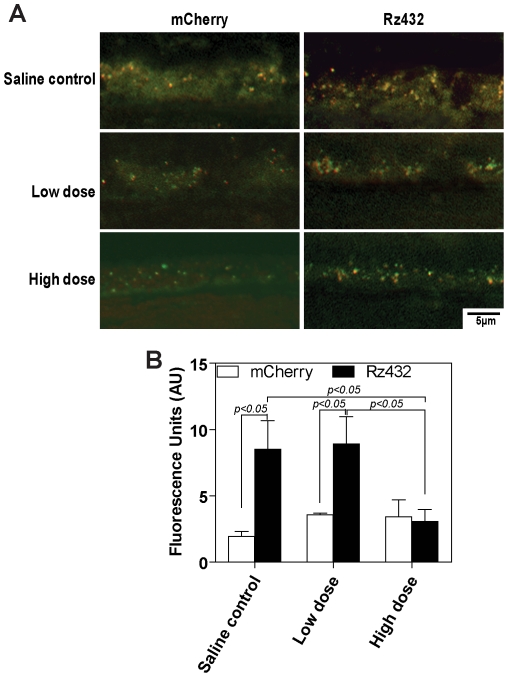
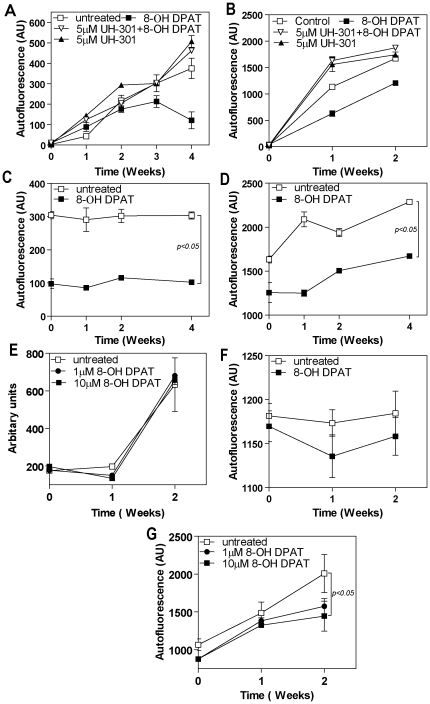
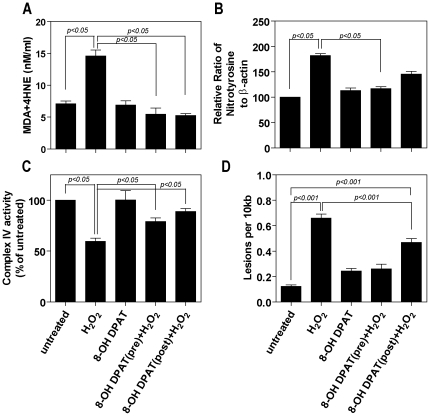
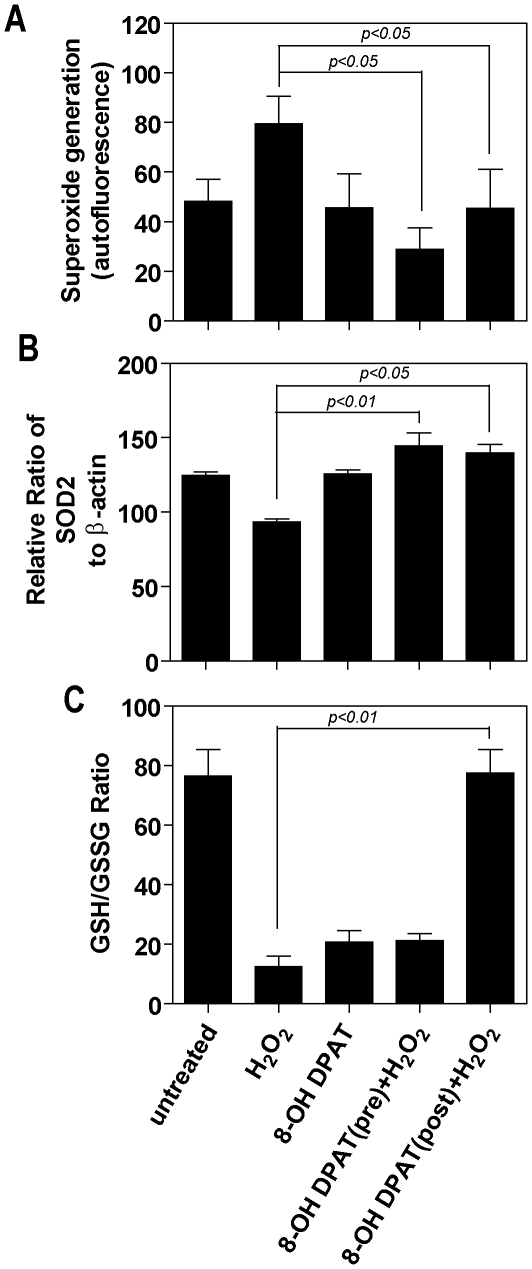
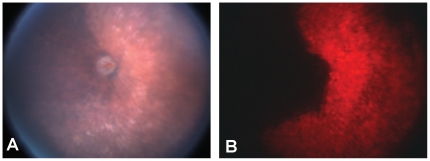
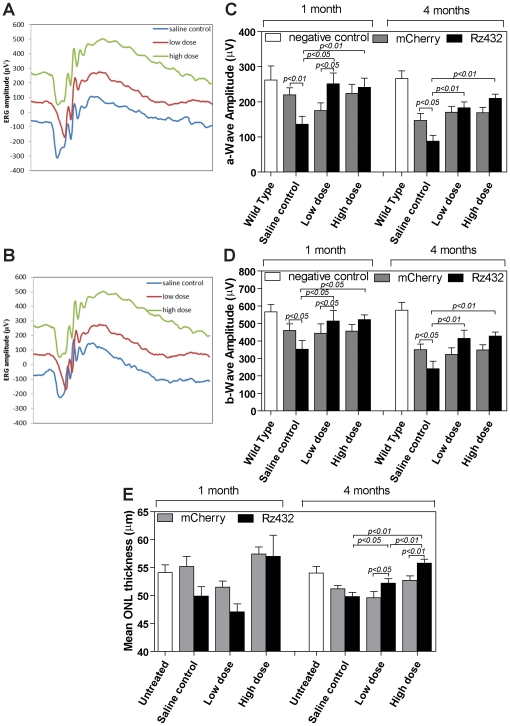
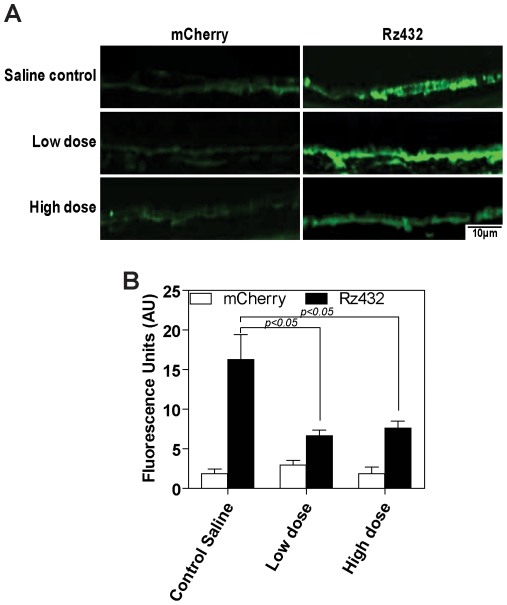
Age-related macular degeneration (AMD), a major cause of blindness in the elderly, is associated with oxidative stress, lipofuscin accumulation and retinal degeneration. The aim of this study was to determine if a 5-HT(1A) receptor agonist can reduce lipofuscin accumulation, reduce oxidative damage and prevent retinal cell loss both in vitro and in vivo. Autophagy-derived and photoreceptor outer segment (POS)-derived lipofuscin formation was assessed using FACS analysis and confocal microscopy in cultured retinal pigment epithelial (RPE) cells in the presence or absence of the 5-HT(1A) receptor agonist, 8-OH DPAT. 8-OH DPAT treatment resulted in a dose-dependent reduction in both autophagy- and POS-derived lipofuscin compared to control. Reduction in autophagy-induced lipofuscin was sustained for 4 weeks following removal of the drug. The ability of 8-OH DPAT to reduce oxidative damage following exposure to 200 µM H(2)O(2) was assessed. 8-OH DPAT reduced superoxide generation and increased mitochondrial superoxide dismutase (MnSOD) levels and the ratio of reduced glutathione to the oxidized form of glutathione in H(2)O(2)-treated cells compared to controls and protected against H(2)O(2)-initiated lipid peroxidation, nitrotyrosine levels and mitochondrial damage. SOD2 knockdown mice, which have an AMD-like phenotype, received daily subcutaneous injections of either saline, 0.5 or 5.0 mg/kg 8-OH DPAT and were evaluated at monthly intervals. Systemic administration of 8-OH DPAT improved the electroretinogram response in SOD2 knockdown eyes of mice compared to knockdown eyes receiving vehicle control. There was a significant increase in the ONL thickness in mice treated with 8-OH DPAT at 4 months past the time of MnSOD knockdown compared to untreated controls together with a 60% reduction in RPE lipofuscin. The data indicate that 5-HT(1A) agonists can reduce lipofuscin accumulation and protect the retina from oxidative damage and mitochondrial dysfunction. 5-HT(1A) receptor agonists may have potential as therapeutic agents in the treatment of retinal degenerative disease.
年龄相关性黄斑变性(AMD)是老年人失明的主要原因,与氧化应激、脂褐素积累和视网膜变性有关。本研究旨在确定 5-HT(1A)受体激动剂是否可以减少脂褐素积累、减轻氧化损伤并预防体外和体内视网膜细胞丢失。使用 FACS 分析和共聚焦显微镜评估培养的视网膜色素上皮(RPE)细胞中自噬衍生和光感受器外节(POS)衍生的脂褐素形成,存在或不存在 5-HT(1A)受体激动剂 8-OH DPAT。与对照相比,8-OH DPAT 处理导致自噬和 POS 衍生的脂褐素呈剂量依赖性减少。在药物去除后,诱导自噬的脂褐素减少持续了 4 周。评估 8-OH DPAT 在暴露于 200µM H(2)O(2)后减少氧化损伤的能力。与对照相比,8-OH DPAT 减少了超氧化物的产生,增加了线粒体超氧化物歧化酶(MnSOD)水平以及 H(2)O(2)处理细胞中还原型谷胱甘肽与氧化型谷胱甘肽的比值,并防止 H(2)O(2)引发的脂质过氧化、硝基酪氨酸水平和线粒体损伤。SOD2 敲低小鼠具有 AMD 样表型,每天接受皮下注射盐水、0.5 或 5.0mg/kg 8-OH DPAT,并在每月间隔进行评估。与接受载体对照的 SOD2 敲低眼睛相比,全身给予 8-OH DPAT 可改善 SOD2 敲低小鼠眼睛的视网膜电图反应。与未治疗的对照相比,MnSOD 敲低后 4 个月接受 8-OH DPAT 治疗的小鼠的 ONL 厚度显着增加,同时 RPE 脂褐素减少 60%。数据表明 5-HT(1A)激动剂可以减少脂褐素积累并保护视网膜免受氧化损伤和线粒体功能障碍。5-HT(1A)受体激动剂可能具有作为治疗视网膜退行性疾病的治疗剂的潜力。