Place Sean P, Menge Bruce A, Hofmann Gretchen E
Department of Biological Sciences & Environment and Sustainability Program, University of South Carolina, Columbia, SC 29208 USA.
Funct Ecol. 2012 Feb 1;26(1):144-155. doi: 10.1111/j.1365-2435.2011.01924.x. Epub 2011 Oct 13.
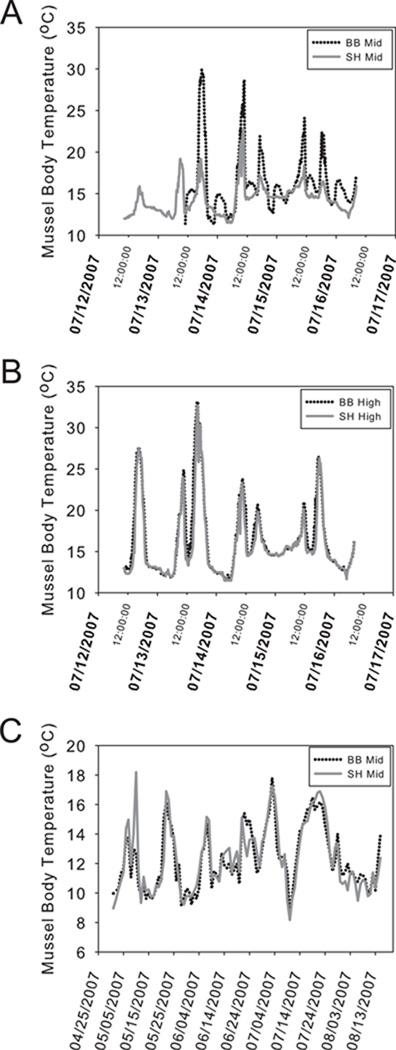
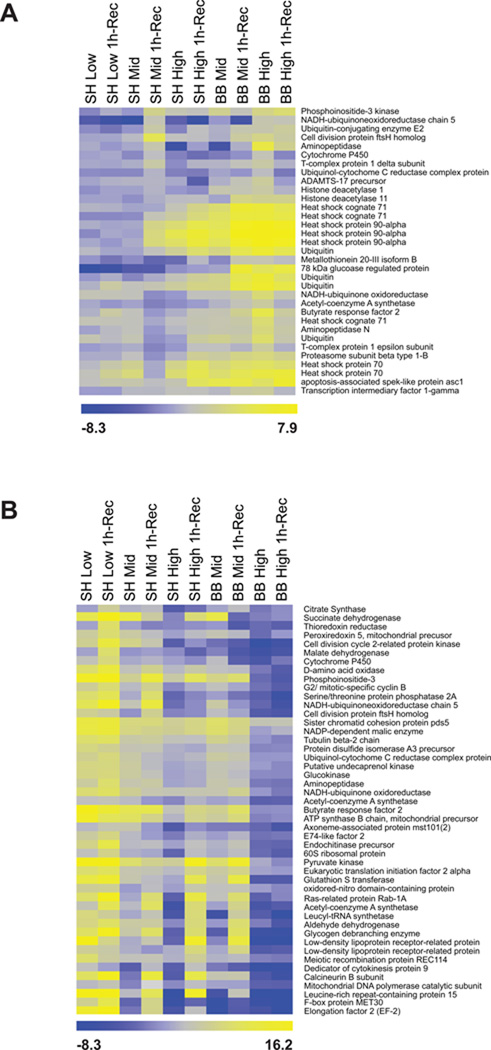
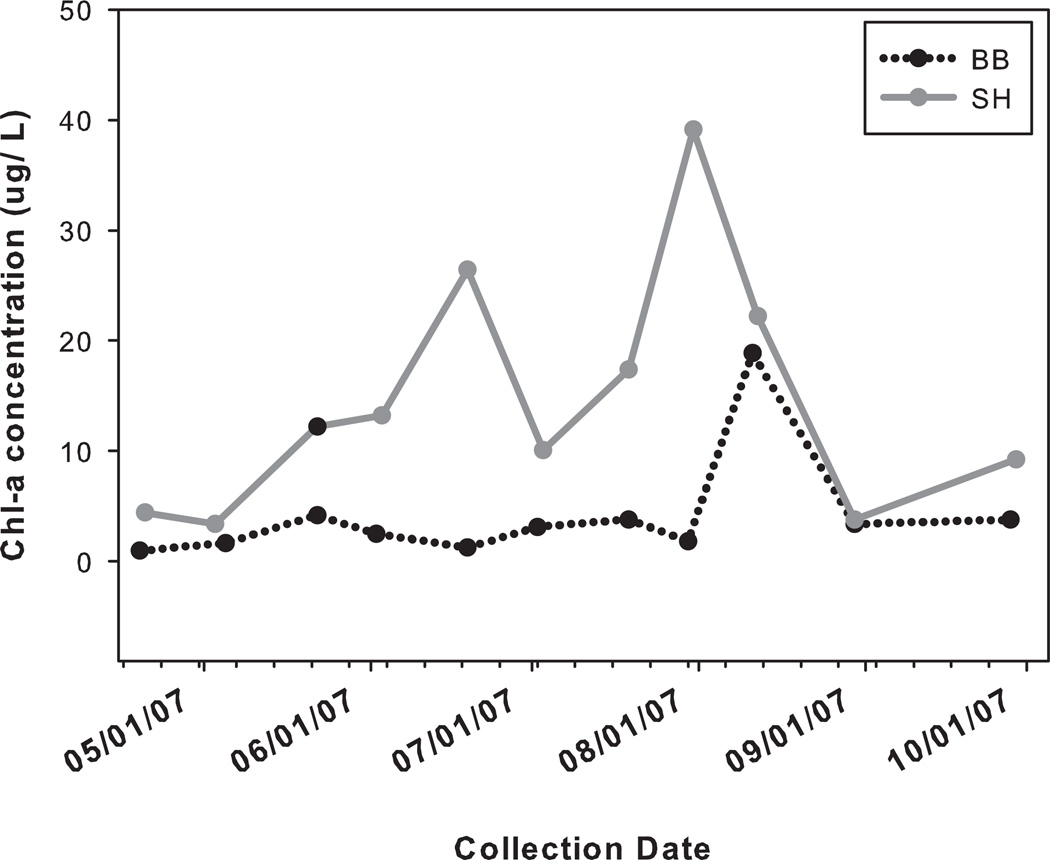
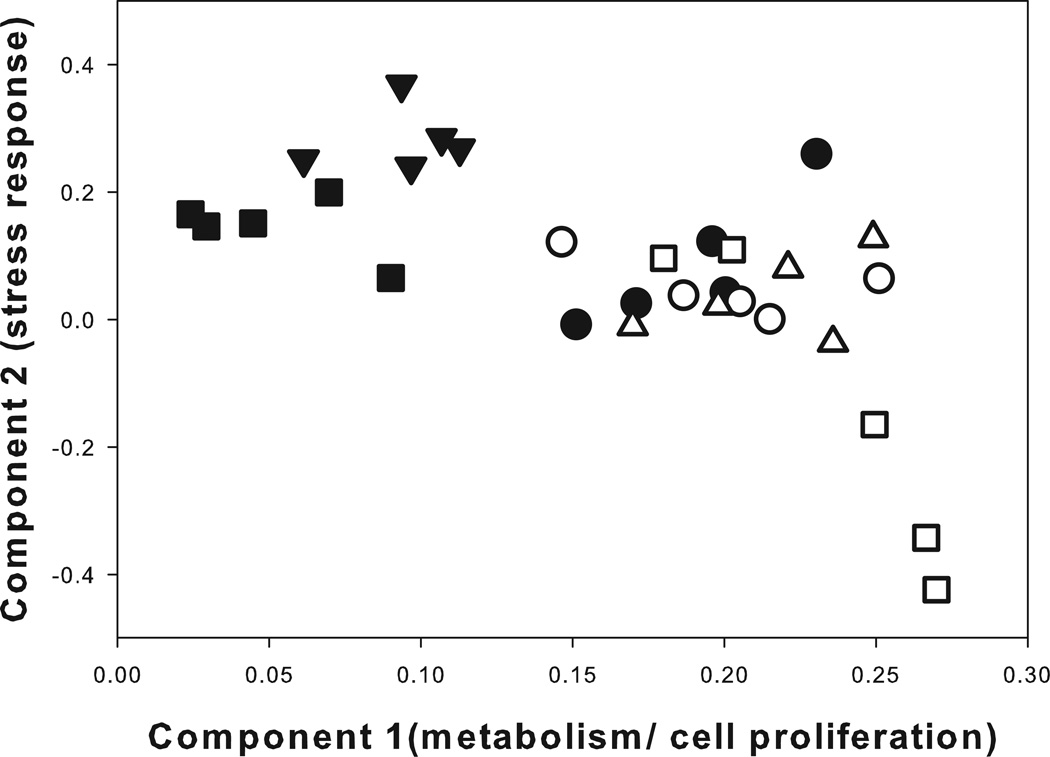
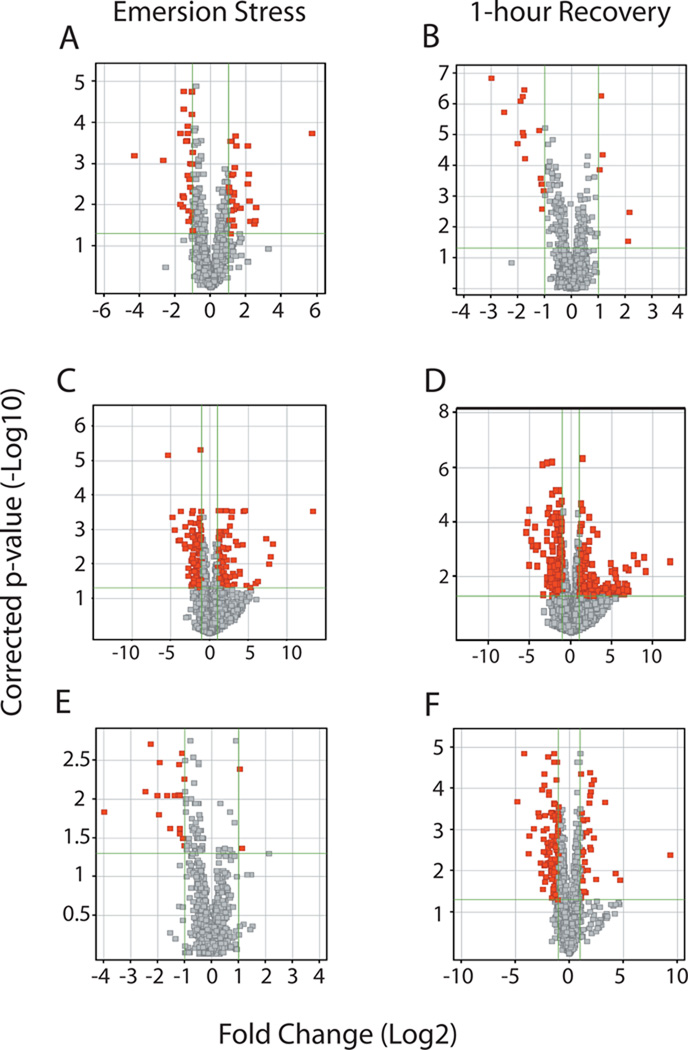
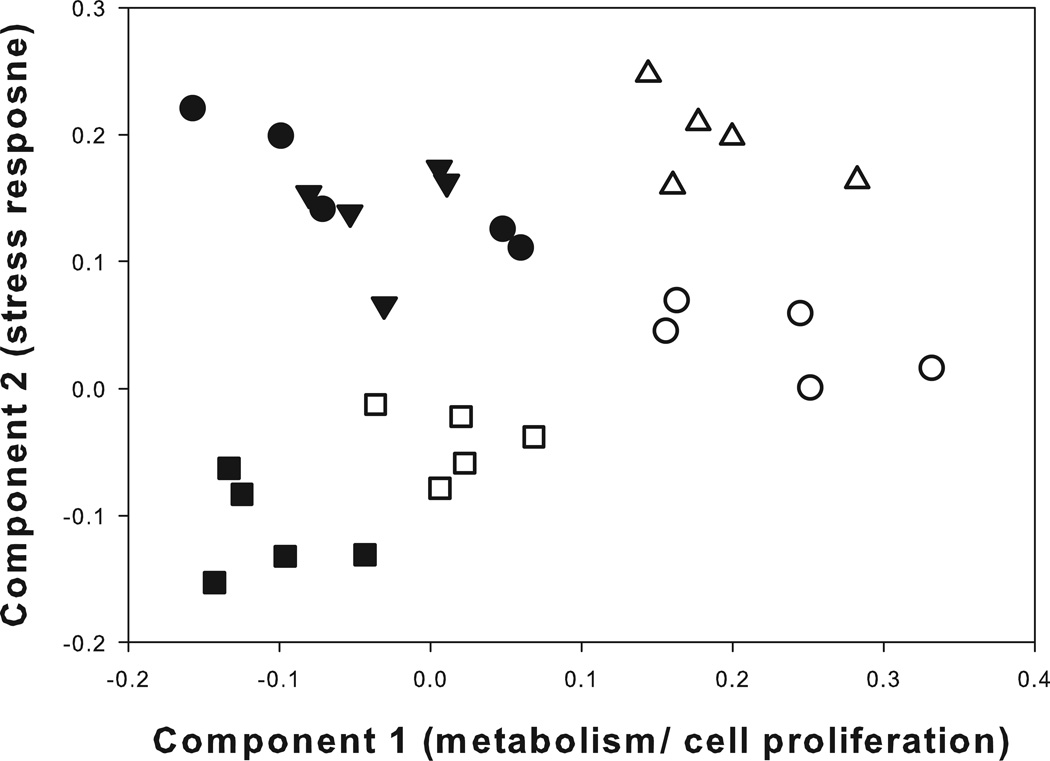
The marine intertidal zone is characterized by large variation in temperature, pH, dissolved oxygen and the supply of nutrients and food on seasonal and daily time scales. These oceanic fluctuations drive of ecological processes such as recruitment, competition and consumer-prey interactions largely via physiological mehcanisms. Thus, to understand coastal ecosystem dynamics and responses to climate change, it is crucial to understand these mechanisms.Here we utilize transcriptome analysis of the physiological response of the mussel Mytilus californianus at different spatial scales to gain insight into these mechanisms. We used mussels inhabiting different vertical locations within Strawberry Hill on Cape Perpetua, OR and Boiler Bay on Cape Foulweather, OR to study inter- and intra-site variation of gene expression.The results highlight two distinct gene expression signatures related to the cycling of metabolic activity and perturbations to cellular homeostasis. Intermediate spatial scales show a strong influence of oceanographic differences in food and stress environments between sites separated by ~65 km.Together, these new insights into environmental control of gene expression may allow understanding of important physiological drivers within and across populations.
海洋潮间带的特点是温度、pH值、溶解氧以及营养物质和食物供应在季节和昼夜时间尺度上有很大变化。这些海洋波动主要通过生理机制驱动诸如补充、竞争和捕食者-猎物相互作用等生态过程。因此,要理解沿海生态系统动态以及对气候变化的响应,了解这些机制至关重要。在此,我们利用加州贻贝在不同空间尺度上的生理反应进行转录组分析,以深入了解这些机制。我们使用栖息在俄勒冈州佩佩图阿角草莓山以及俄勒冈州恶劣天气角锅炉湾不同垂直位置的贻贝,来研究基因表达的位点间和位点内变异。结果突出了与代谢活动循环和细胞内稳态扰动相关的两种不同的基因表达特征。中等空间尺度显示出约65公里外不同位点间食物和应激环境的海洋学差异的强烈影响。总之,这些对基因表达环境控制的新见解可能有助于理解种群内部和种群之间重要的生理驱动因素。