Department of Anthropology, University of California-Santa Barbara, Santa Barbara, CA 93106, United States.
Exp Gerontol. 2012 Oct;47(10):807-13. doi: 10.1016/j.exger.2012.05.006. Epub 2012 May 15.
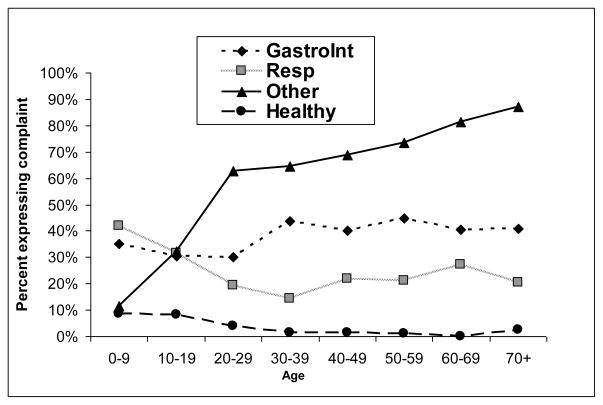
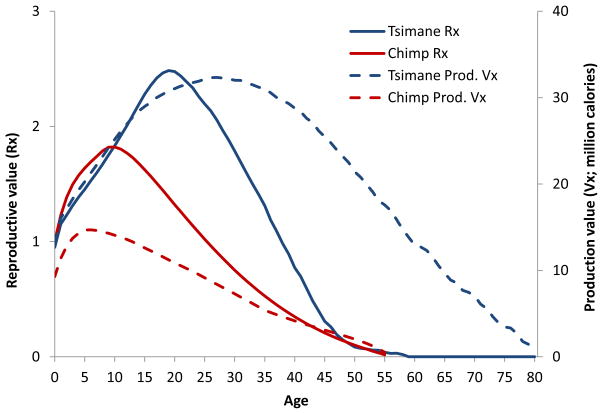
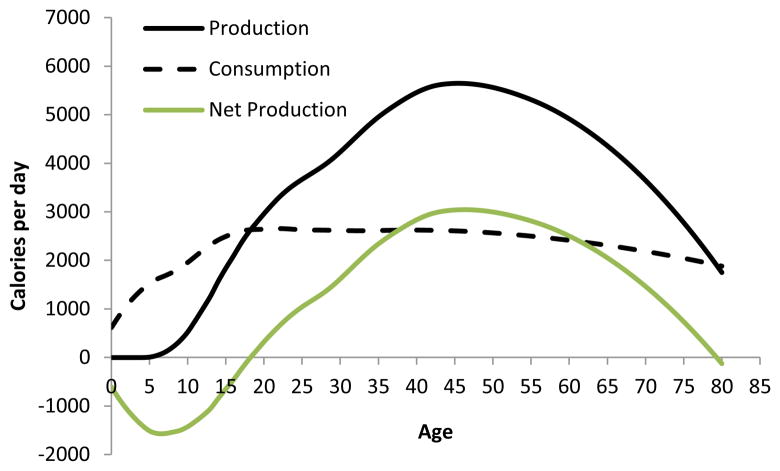
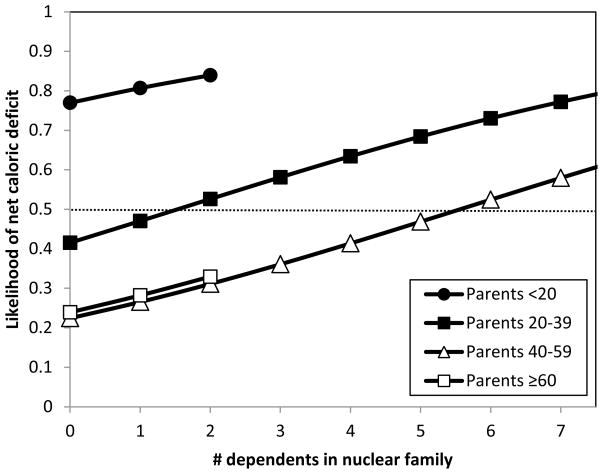
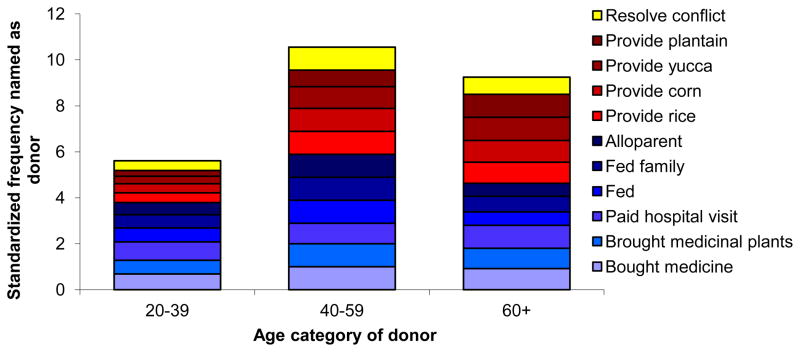
Humans are the longest living and slowest growing of all primates. Although most primates are social, humans are highly cooperative and social in ways that likely co-evolved with the slow human life history. In this paper we highlight the role of resource transfers and non-material assistance within and across generations in shaping low human mortality rates. The use of complex cooperative strategies to minimize risk is a necessary precursor for selecting further reductions in mortality rate in late adulthood. In conjunction with changes in the age-profile of production, the impacts of resource transfers and other forms of cooperation on reducing mortality likely played an important role in selection on post-reproductive lifespan throughout human evolution. Using medical data and ethnographic interviews, we explore several types of common risks experienced by Tsimane forager-horticulturalists, and quantify the types and targets of aid. Our results illustrate the importance of transfers in several key domains and suggest that the absence of transfers would greatly increase human mortality rates throughout the life course.
人类是所有灵长类动物中寿命最长、生长最慢的。尽管大多数灵长类动物都是社会性的,但人类在合作和社交方面具有高度的合作性,这可能与人类缓慢的生命历史共同进化而来。在本文中,我们强调了资源转移和代际间非物质援助在塑造人类低死亡率中的作用。使用复杂的合作策略来最小化风险是选择在成年后期进一步降低死亡率的必要前提。结合生产年龄结构的变化,资源转移和其他形式的合作对降低死亡率的影响可能在整个人类进化过程中对选择生殖后寿命发挥了重要作用。我们使用医疗数据和民族志访谈,探讨了 Tsimane 觅食-园艺者所经历的几种常见风险,并量化了援助的类型和对象。我们的结果说明了转移在几个关键领域的重要性,并表明如果没有转移,人类在整个生命周期的死亡率将大大增加。