School of Biological Sciences, Flinders University, Adelaide, South Australia, Australia.
PLoS One. 2012;7(5):e36478. doi: 10.1371/journal.pone.0036478. Epub 2012 May 11.
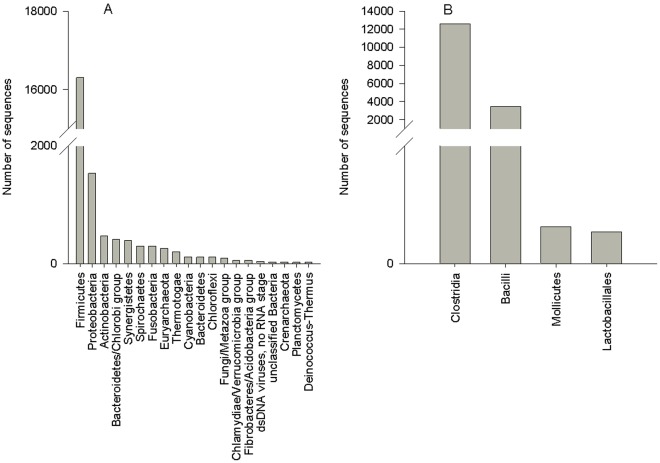
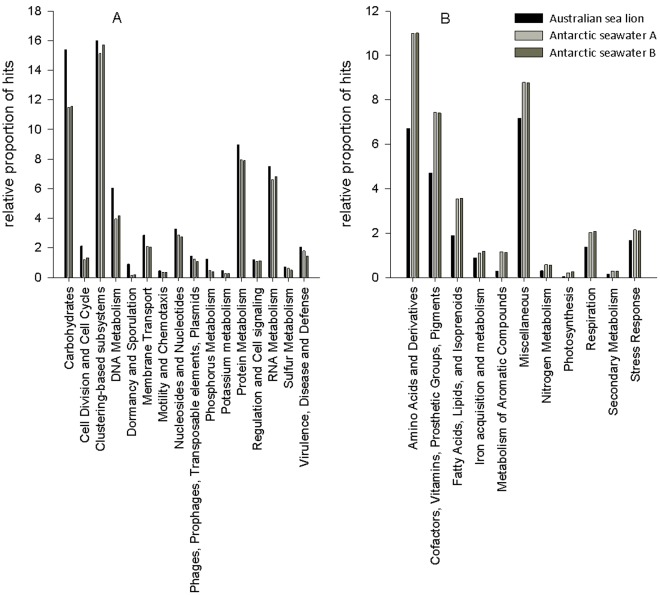
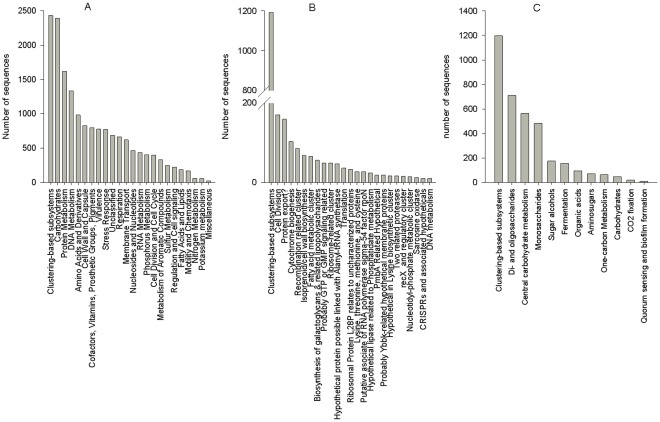
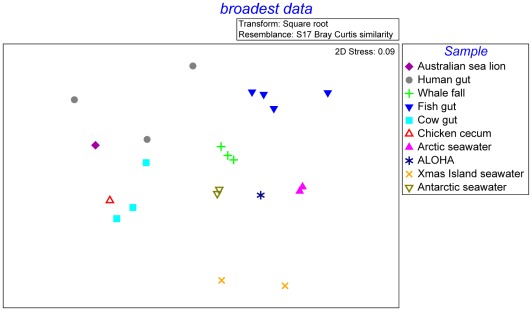
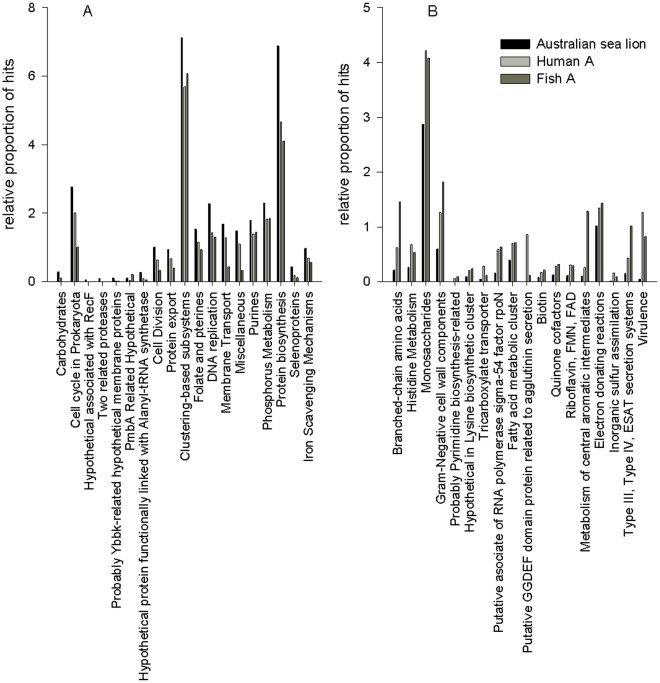
Metagenomic analysis was used to examine the taxonomic diversity and metabolic potential of an Australian sea lion (Neophoca cinerea) gut microbiome. Bacteria comprised 98% of classifiable sequences and of these matches to Firmicutes (80%) were dominant, with Proteobacteria and Actinobacteria representing 8% and 2% of matches respectively. The relative proportion of Firmicutes (80%) to Bacteriodetes (2%) is similar to that in previous studies of obese humans and obese mice, suggesting the gut microbiome may confer a predisposition towards the excess body fat that is needed for thermoregulation within the cold oceanic habitats foraged by Australian sea lions. Core metabolic functions, including carbohydrate utilisation (14%), protein metabolism (9%) and DNA metabolism (7%) dominated the metagenome, but in comparison to human and fish gut microbiomes there was a significantly higher proportion of genes involved in phosphorus metabolism (2.4%) and iron scavenging mechanisms (1%). When sea lions defecate at sea, the relatively high nutrient metabolism potential of bacteria in their faeces may accelerate the dissolution of nutrients from faecal particles, enhancing their persistence in the euphotic zone where they are available to stimulate marine production.
采用宏基因组学分析方法研究了澳大利亚海狮(Neophoca cinerea)肠道微生物组的分类多样性和代谢潜能。细菌占可分类序列的 98%,其中厚壁菌门(Firmicutes)的匹配序列占优势(80%),变形菌门(Proteobacteria)和放线菌门(Actinobacteria)分别占 8%和 2%。厚壁菌门(Firmicutes)与拟杆菌门(Bacteriodetes)的相对比例(80%比 2%)与肥胖人群和肥胖小鼠的先前研究相似,这表明肠道微生物组可能使澳大利亚海狮倾向于积累过多的体脂,以适应其在寒冷海洋环境中觅食时的体温调节需要。核心代谢功能,包括碳水化合物利用(14%)、蛋白质代谢(9%)和 DNA 代谢(7%)在宏基因组中占主导地位,但与人类和鱼类肠道微生物组相比,涉及磷代谢(2.4%)和铁摄取机制(1%)的基因比例显著更高。当海狮在海上排便时,其粪便中细菌的相对较高的营养代谢潜能可能会加速粪便颗粒中营养物质的溶解,从而增强其在真光层中的持久性,这些营养物质可刺激海洋生产力。