Novartis Vaccines and Diagnostics, Via Fiorentina 1, 53100 Siena, Italy.
Vaccine. 2012 May 30;30 Suppl 2(0 2):B87-97. doi: 10.1016/j.vaccine.2012.01.033.
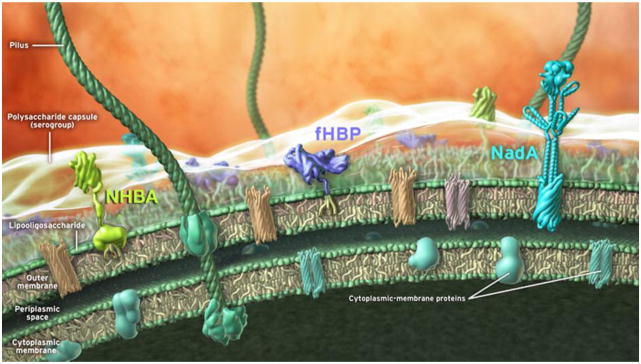
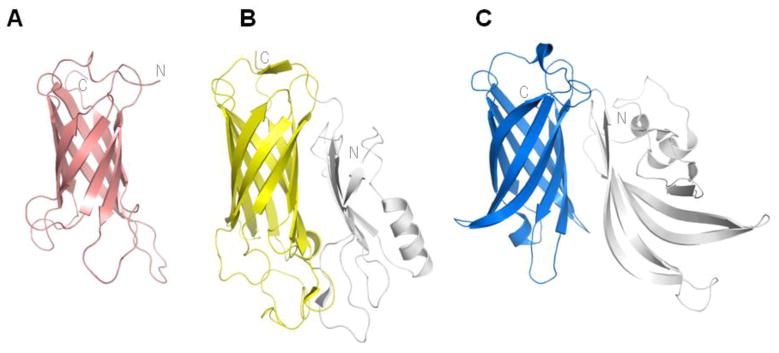
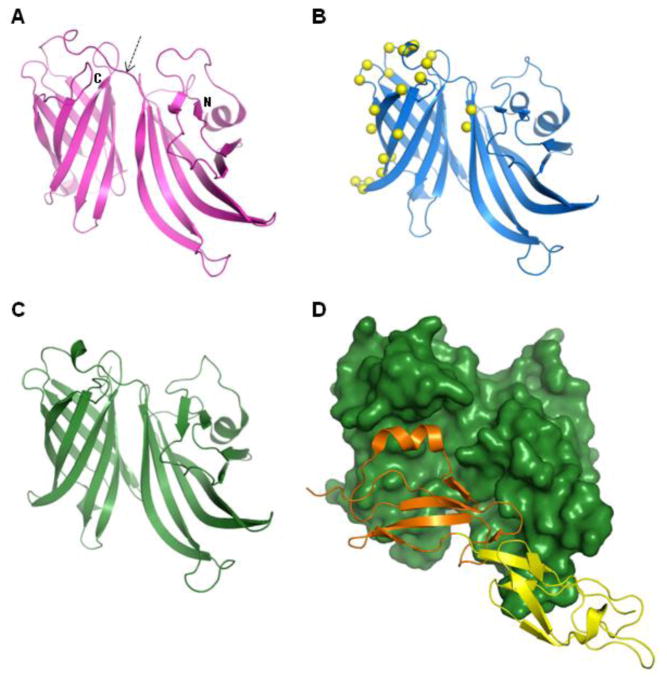
Neisseria meningitidis is a major cause of endemic cases and epidemics of meningitis and devastating septicemia. Although effective vaccines exist for several serogroups of pathogenic N. meningitidis, conventional vaccinology approaches have failed to provide a universal solution for serogroup B (MenB) which consequently remains an important burden of disease worldwide. The advent of whole-genome sequencing changed the approach to vaccine development, enabling the identification of potential vaccine candidates starting directly with the genomic information, with a process named reverse vaccinology. The application of reverse vaccinology to MenB allowed the identification of new protein antigens able to induce bactericidal antibodies. Three highly immunogenic antigens (fHbp, NadA and NHBA) were combined with outer membrane vesicles and formulated for human use in a multicomponent vaccine, named 4CMenB. This is the first MenB vaccine based on recombinant proteins able to elicit a robust bactericidal immune response in adults, adolescents and infants against a broad range of serogroup B isolates. This review describes the successful story of the development of the 4CMenB vaccine, with particular emphasis on the functional, immunological and structural characterization of the protein antigens included in the vaccine.
脑膜炎奈瑟菌是导致地方性病例和脑膜炎流行以及破坏性败血症的主要原因。尽管针对几种致病性奈瑟菌血清群已有有效的疫苗,但传统的疫苗学方法未能为血清群 B(MenB)提供通用解决方案,因此它仍然是全球重要的疾病负担。全基因组测序的出现改变了疫苗开发的方法,使得可以直接从基因组信息开始识别潜在的疫苗候选物,这一过程被称为反向疫苗学。将反向疫苗学应用于 MenB 允许鉴定能够诱导杀菌抗体的新蛋白抗原。三种高度免疫原性抗原(fHbp、NadA 和 NHBA)与外膜囊泡结合,并在一种多组分疫苗中进行了人体配方,该疫苗名为 4CMenB。这是第一种基于重组蛋白的 MenB 疫苗,能够在成人、青少年和婴儿中针对广泛的血清群 B 分离株引发强大的杀菌免疫反应。本文描述了 4CMenB 疫苗开发的成功故事,特别强调了疫苗中包含的蛋白抗原的功能、免疫学和结构特征。