Division of Pathology, Department of Molecular and Clinical Cancer Medicine, University of Liverpool, 6th Floor, Duncan Building, Daulby Street, Liverpool L69 3GA, UK.
Br J Cancer. 2012 Jul 10;107(2):388-99. doi: 10.1038/bjc.2012.162. Epub 2012 May 29.
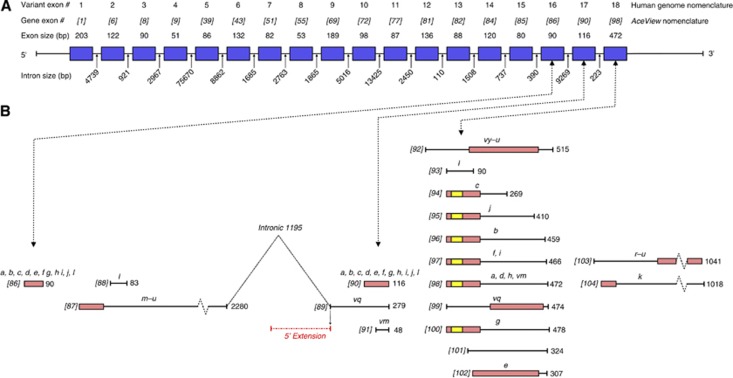
Previously, using gene-knockdown techniques together with genome expression array analysis, we showed the gene protein Kinase C (PKC)-zeta (PRKCZ) to mediate the malignant phenotype of human prostate cancer. However, according to NCBI, the gene has undergone several major iterations. Therefore, to understand the relationship between its structure and biological activities, we have analysed its expressed sequence in prostate cancer cell lines and tissues.
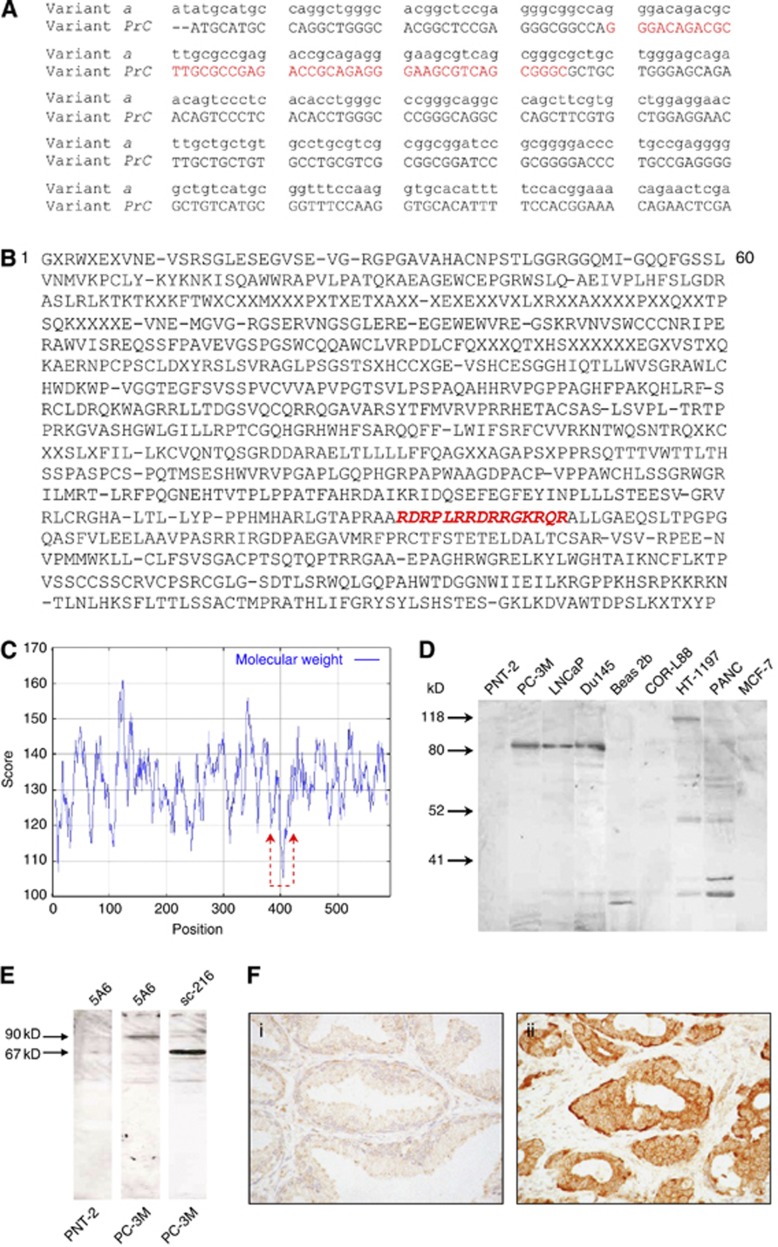
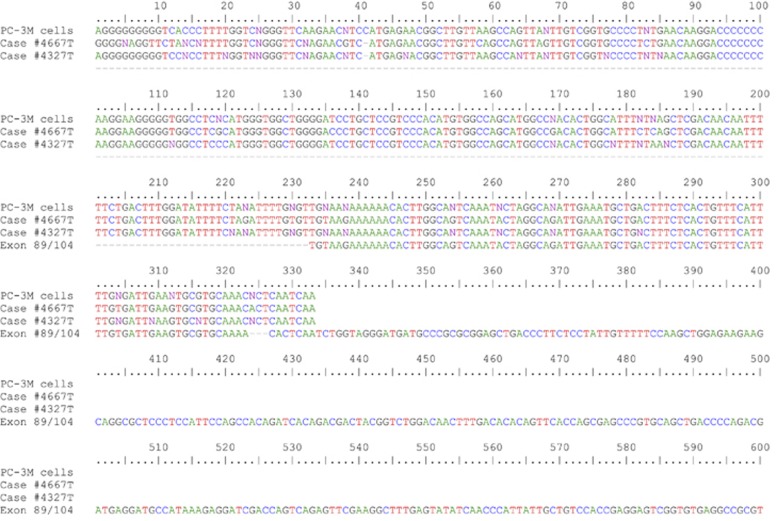
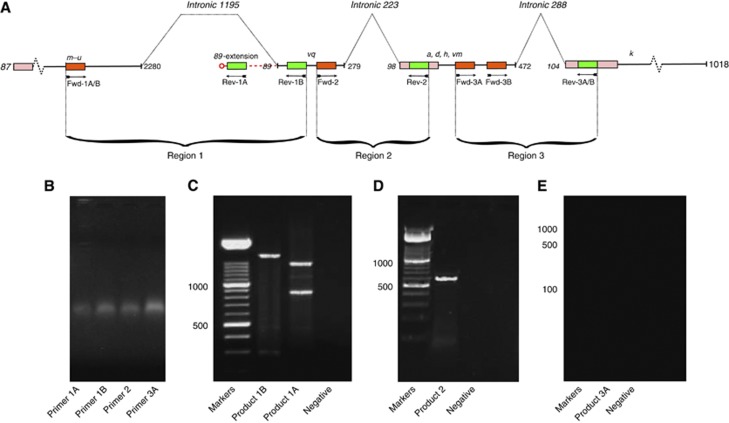
Transcriptome-walking and targeted PCR were used to sequence the mRNA transcribed from PRKCZ. Hydropathy analysis was employed to analyse the hypothetical protein sequence subsequently translated and to identify an appropriate epitope to generate a specific monoclonal antibody.
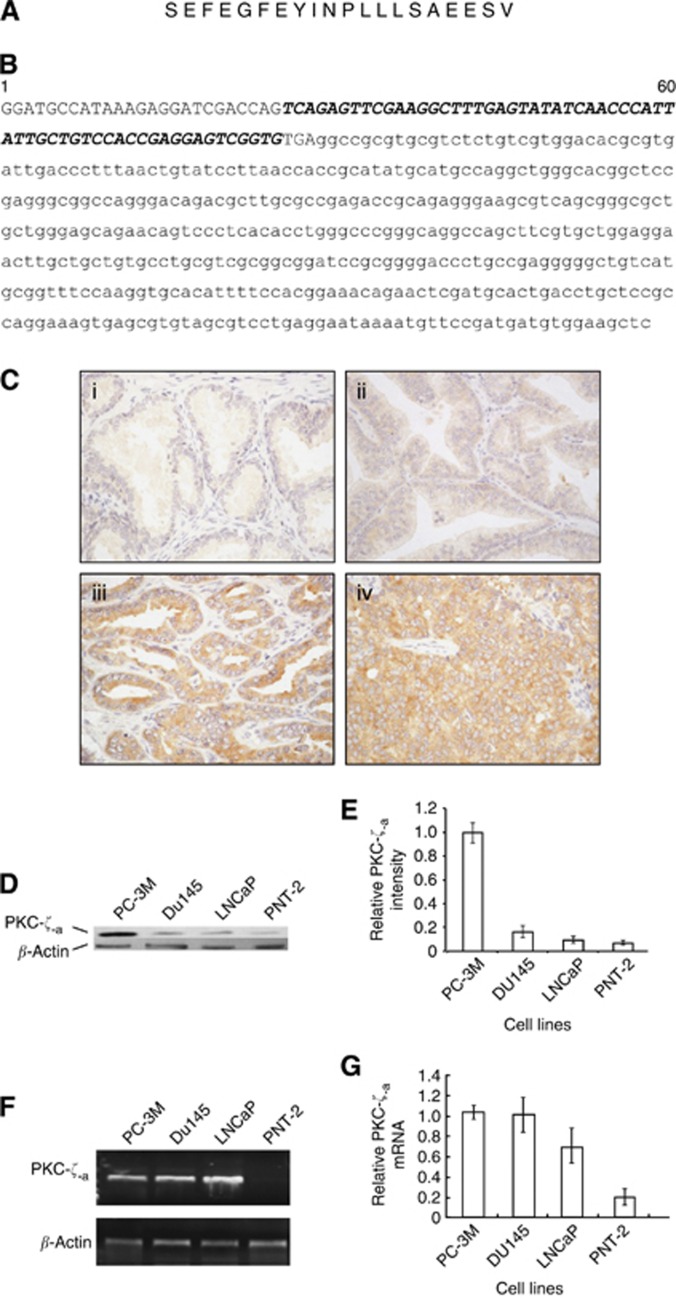
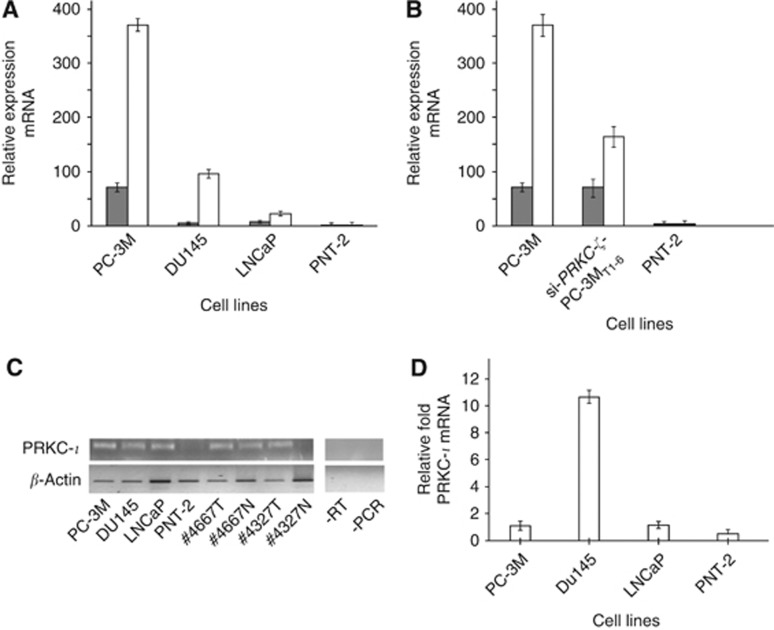
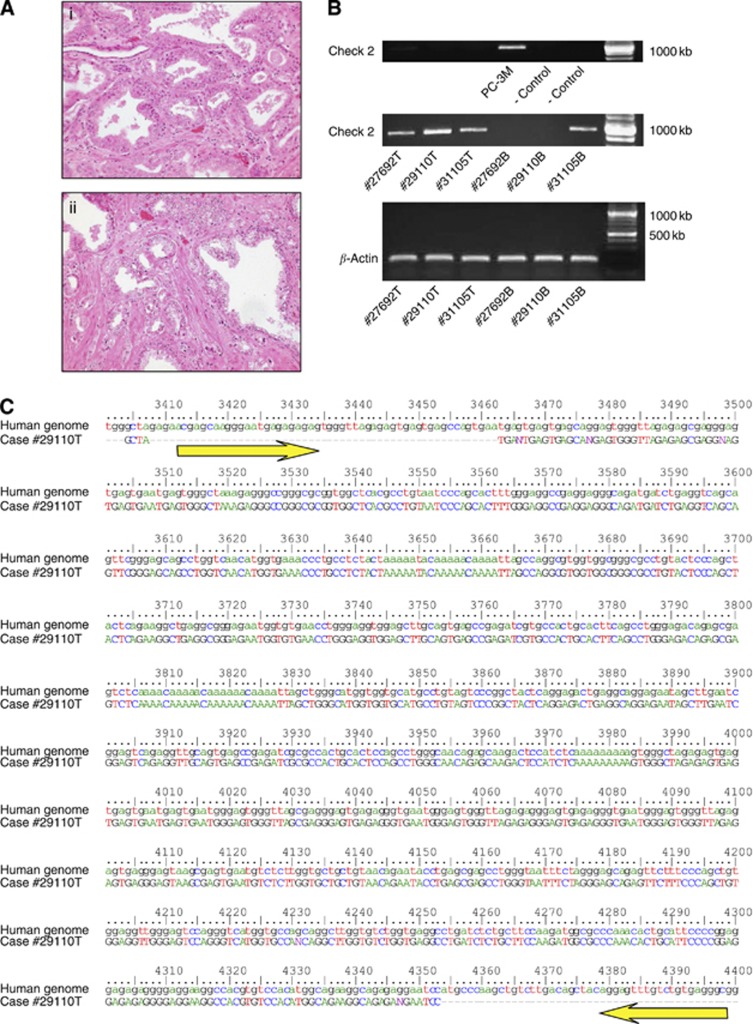
A novel sequence was identified within the 3'-terminal domain of human PRKCZ that, in prostate cancer cell lines and tissues, is expressed during transcription and thereafter translated into protein (designated PKC-ζ(-PrC)) independent of conventional PKC-ζ(-a). The monoclonal antibody detected expression of this 96 kD protein only within malignant prostatic epithelium.
Transcription and translation of this gene sequence, including previous intronic sequences, generates a novel specific biomarker of human prostate cancer. The presence of catalytic domains characteristic of classic PKC-β and atypical PKC-ι within PKC-ζ(-PrC) provides a potential mechanism for this PRKCZ variant to modulate the malignant prostatic phenotype out-with normal cell-regulatory control.
先前,我们使用基因敲低技术结合基因组表达谱分析,表明蛋白激酶 C(PKC)-zeta(PRKCZ)基因介导人前列腺癌的恶性表型。然而,根据 NCBI,该基因已经经历了几次重大迭代。因此,为了了解其结构与生物活性之间的关系,我们分析了前列腺癌细胞系和组织中 PRKCZ 的表达序列。
转录组漫步和靶向 PCR 用于测序 PRKCZ 转录的 mRNA。采用疏水性分析来分析随后翻译的假设蛋白质序列,并识别合适的抗原决定簇来产生特异性单克隆抗体。
在人类 PRKCZ 的 3'-末端结构域内鉴定出一个新序列,在前列腺癌细胞系和组织中,在转录过程中表达,随后翻译成蛋白质(命名为 PKC-ζ(-PrC)),与传统的 PKC-ζ(-a)无关。该单克隆抗体仅在恶性前列腺上皮中检测到这种 96 kD 蛋白质的表达。
该基因序列的转录和翻译,包括先前的内含子序列,产生了一种新的人前列腺癌特异性生物标志物。PKC-ζ(-PrC) 内存在经典 PKC-β 和非典型 PKC-ι 的催化结构域,为这种 PRKCZ 变体提供了一种潜在的机制,使其能够调节恶性前列腺表型,而不受正常细胞调控的影响。