• 文献检索
  • 文档翻译
  • 深度研究
  • 学术资讯
  • Suppr Zotero 插件Zotero 插件
  • 邀请有礼
  • 套餐&价格
  • 历史记录
应用&插件
Suppr Zotero 插件Zotero 插件浏览器插件Mac 客户端Windows 客户端微信小程序
定价
高级版会员购买积分包购买API积分包
服务
文献检索文档翻译深度研究API 文档MCP 服务
关于我们
关于 Suppr公司介绍联系我们用户协议隐私条款
关注我们

Suppr 超能文献

核心技术专利:CN118964589B侵权必究
粤ICP备2023148730 号-1Suppr @ 2026

文献检索

告别复杂PubMed语法,用中文像聊天一样搜索,搜遍4000万医学文献。AI智能推荐,让科研检索更轻松。

立即免费搜索

文件翻译

保留排版,准确专业,支持PDF/Word/PPT等文件格式,支持 12+语言互译。

免费翻译文档

深度研究

AI帮你快速写综述,25分钟生成高质量综述,智能提取关键信息,辅助科研写作。

立即免费体验

来自俄罗斯远东西伯利亚最新白垩纪的一种新的蜥脚形亚目恐龙。

A new saurolophine dinosaur from the latest cretaceous of far Eastern Russia.

机构信息

Department of Palaeontology, Institut Royal des Sciences Naturelles de Belgique, Bruxelles, Belgium.

出版信息

PLoS One. 2012;7(5):e36849. doi: 10.1371/journal.pone.0036849. Epub 2012 May 30.

DOI:10.1371/journal.pone.0036849
PMID:22666331
原文链接:https://pmc.ncbi.nlm.nih.gov/articles/PMC3364265/
Abstract

BACKGROUND

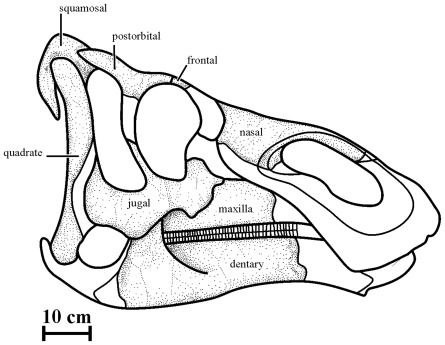
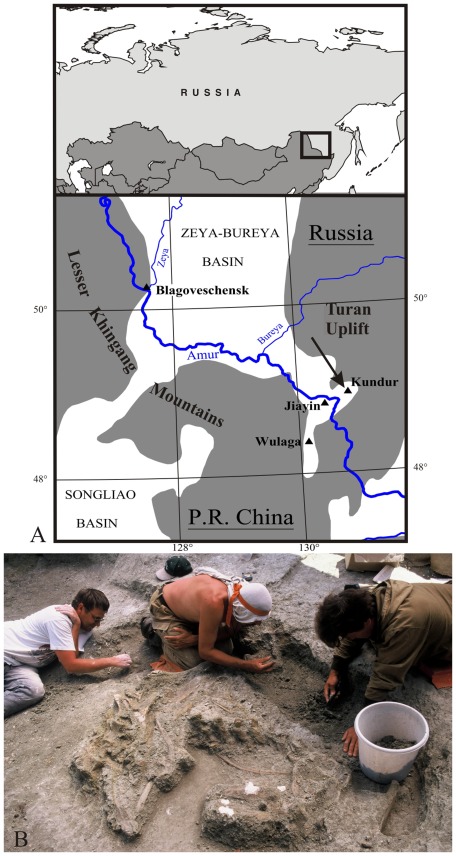
Four main dinosaur sites have been investigated in latest cretaceous deposits from the Amur/Heilongjiang Region: Jiayin and Wulaga in China (Yuliangze Formation), Blagoveschensk and Kundur in Russia (Udurchukan Formation). More than 90% of the bones discovered in these localities belong to hollow-crested lambeosaurine saurolophids, but flat-headed saurolophines are also represented: Kerberosaurus manakini at Blagoveschensk and Wulagasaurus dongi at Wulaga.

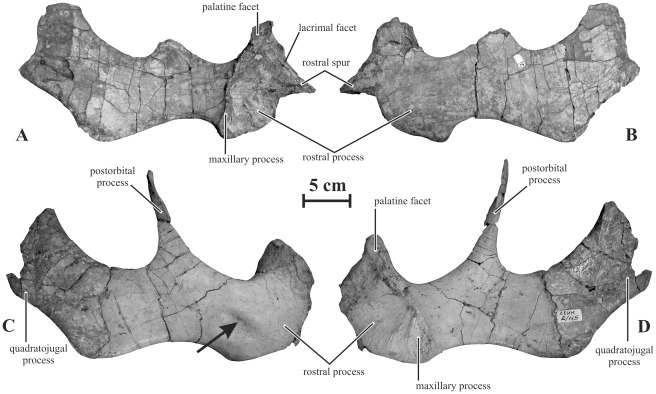
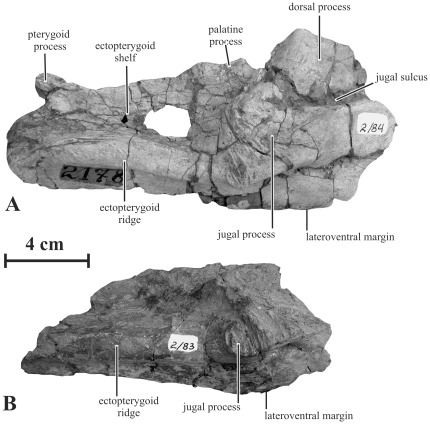
METHODOLOGY/PRINCIPAL FINDINGS: Herein we describe a new saurolophine dinosaur, Kundurosaurus nagornyi gen. et sp. nov., from the Udurchukan Formation (Maastrichtian) of Kundur, represented by disarticulated cranial and postcranial material. This new taxon is diagnosed by four autapomorphies.

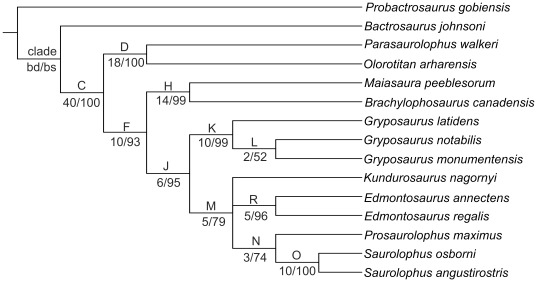
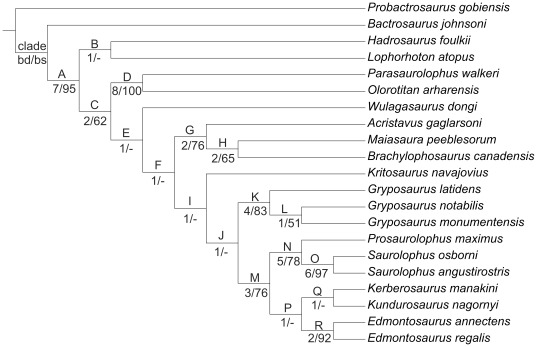
CONCLUSIONS/SIGNIFICANCE: A phylogenetic analysis of saurolophines indicates that Kundurosaurus nagornyi is nested within a rather robust clade including Edmontosaurus spp., Saurolophus spp., and Prosaurolophus maximus, possibly as a sister-taxon for Kerberosaurus manakini also from the Udurchukan Formation of Far Eastern Russia. The high diversity and mosaic distribution of Maastrichtian hadrosaurid faunas in the Amur-Heilongjiang region are the result of a complex palaeogeographical history and imply that many independent hadrosaurid lineages dispersed without any problem between western America and eastern Asia at the end of the Cretaceous.

摘要

背景

在黑龙江/阿穆尔地区最新白垩纪沉积物中已经调查了四个主要的恐龙遗址:中国的嘉荫和乌尔加(于亮泽组),俄罗斯的布拉戈维申斯克和坤德尔(乌杜尔恰肯组)。在这些地方发现的骨骼中,超过 90%属于中空冠龙类鸭嘴龙,但平头鸭嘴龙也有代表:布拉戈维申斯克的 Kerberosaurus manakini 和乌尔加的 Wulagasaurus dongi。

方法/主要发现:本文描述了一个来自坤德尔 Udurchukan 组(马斯特里赫特阶)的新的鸭嘴龙类恐龙 Kundurosaurus nagornyi gen. et sp. nov.,由不相连的头骨和后头骨材料代表。这个新的分类单元通过四个独特的特征来诊断。

结论/意义:对鸭嘴龙类的系统发育分析表明,Kundurosaurus nagornyi 嵌套在一个相当强壮的分支中,包括埃德蒙顿龙属、鸭嘴龙属和原鸭嘴龙属,可能与来自俄罗斯远东乌杜尔恰肯组的 Kerberosaurus manakini 是姐妹群。黑龙江/阿穆尔地区马斯特里赫特阶鸭嘴龙类动物群的高度多样性和镶嵌分布是复杂的古地理历史的结果,这意味着许多独立的鸭嘴龙类谱系在白垩纪末期没有任何问题地在美洲西部和亚洲东部之间扩散。
https://cdn.ncbi.nlm.nih.gov/pmc/blobs/d8ab/3364265/e2b6853672e0/pone.0036849.g021.jpg
https://cdn.ncbi.nlm.nih.gov/pmc/blobs/d8ab/3364265/88259eab69cf/pone.0036849.g001.jpg
https://cdn.ncbi.nlm.nih.gov/pmc/blobs/d8ab/3364265/5b81417a31c4/pone.0036849.g002.jpg
https://cdn.ncbi.nlm.nih.gov/pmc/blobs/d8ab/3364265/b0043d99419d/pone.0036849.g003.jpg
https://cdn.ncbi.nlm.nih.gov/pmc/blobs/d8ab/3364265/8a4e15ca53bf/pone.0036849.g004.jpg
https://cdn.ncbi.nlm.nih.gov/pmc/blobs/d8ab/3364265/3b2be5989a88/pone.0036849.g005.jpg
https://cdn.ncbi.nlm.nih.gov/pmc/blobs/d8ab/3364265/5c67109006c6/pone.0036849.g006.jpg
https://cdn.ncbi.nlm.nih.gov/pmc/blobs/d8ab/3364265/673f1b70588f/pone.0036849.g007.jpg
https://cdn.ncbi.nlm.nih.gov/pmc/blobs/d8ab/3364265/01368a3eef8c/pone.0036849.g008.jpg
https://cdn.ncbi.nlm.nih.gov/pmc/blobs/d8ab/3364265/3459730f3036/pone.0036849.g009.jpg
https://cdn.ncbi.nlm.nih.gov/pmc/blobs/d8ab/3364265/7537bad54769/pone.0036849.g010.jpg
https://cdn.ncbi.nlm.nih.gov/pmc/blobs/d8ab/3364265/82fc8d589cd1/pone.0036849.g011.jpg
https://cdn.ncbi.nlm.nih.gov/pmc/blobs/d8ab/3364265/81a761720376/pone.0036849.g012.jpg
https://cdn.ncbi.nlm.nih.gov/pmc/blobs/d8ab/3364265/d87e3a70a665/pone.0036849.g013.jpg
https://cdn.ncbi.nlm.nih.gov/pmc/blobs/d8ab/3364265/585ac906cf03/pone.0036849.g014.jpg
https://cdn.ncbi.nlm.nih.gov/pmc/blobs/d8ab/3364265/6905895e1574/pone.0036849.g015.jpg
https://cdn.ncbi.nlm.nih.gov/pmc/blobs/d8ab/3364265/3ea4faa23402/pone.0036849.g016.jpg
https://cdn.ncbi.nlm.nih.gov/pmc/blobs/d8ab/3364265/c2074641e422/pone.0036849.g017.jpg
https://cdn.ncbi.nlm.nih.gov/pmc/blobs/d8ab/3364265/9fcc3e50716d/pone.0036849.g018.jpg
https://cdn.ncbi.nlm.nih.gov/pmc/blobs/d8ab/3364265/4510785da1ab/pone.0036849.g019.jpg
https://cdn.ncbi.nlm.nih.gov/pmc/blobs/d8ab/3364265/4ce600c58b7f/pone.0036849.g020.jpg
https://cdn.ncbi.nlm.nih.gov/pmc/blobs/d8ab/3364265/e2b6853672e0/pone.0036849.g021.jpg
https://cdn.ncbi.nlm.nih.gov/pmc/blobs/d8ab/3364265/88259eab69cf/pone.0036849.g001.jpg
https://cdn.ncbi.nlm.nih.gov/pmc/blobs/d8ab/3364265/5b81417a31c4/pone.0036849.g002.jpg
https://cdn.ncbi.nlm.nih.gov/pmc/blobs/d8ab/3364265/b0043d99419d/pone.0036849.g003.jpg
https://cdn.ncbi.nlm.nih.gov/pmc/blobs/d8ab/3364265/8a4e15ca53bf/pone.0036849.g004.jpg
https://cdn.ncbi.nlm.nih.gov/pmc/blobs/d8ab/3364265/3b2be5989a88/pone.0036849.g005.jpg
https://cdn.ncbi.nlm.nih.gov/pmc/blobs/d8ab/3364265/5c67109006c6/pone.0036849.g006.jpg
https://cdn.ncbi.nlm.nih.gov/pmc/blobs/d8ab/3364265/673f1b70588f/pone.0036849.g007.jpg
https://cdn.ncbi.nlm.nih.gov/pmc/blobs/d8ab/3364265/01368a3eef8c/pone.0036849.g008.jpg
https://cdn.ncbi.nlm.nih.gov/pmc/blobs/d8ab/3364265/3459730f3036/pone.0036849.g009.jpg
https://cdn.ncbi.nlm.nih.gov/pmc/blobs/d8ab/3364265/7537bad54769/pone.0036849.g010.jpg
https://cdn.ncbi.nlm.nih.gov/pmc/blobs/d8ab/3364265/82fc8d589cd1/pone.0036849.g011.jpg
https://cdn.ncbi.nlm.nih.gov/pmc/blobs/d8ab/3364265/81a761720376/pone.0036849.g012.jpg
https://cdn.ncbi.nlm.nih.gov/pmc/blobs/d8ab/3364265/d87e3a70a665/pone.0036849.g013.jpg
https://cdn.ncbi.nlm.nih.gov/pmc/blobs/d8ab/3364265/585ac906cf03/pone.0036849.g014.jpg
https://cdn.ncbi.nlm.nih.gov/pmc/blobs/d8ab/3364265/6905895e1574/pone.0036849.g015.jpg
https://cdn.ncbi.nlm.nih.gov/pmc/blobs/d8ab/3364265/3ea4faa23402/pone.0036849.g016.jpg
https://cdn.ncbi.nlm.nih.gov/pmc/blobs/d8ab/3364265/c2074641e422/pone.0036849.g017.jpg
https://cdn.ncbi.nlm.nih.gov/pmc/blobs/d8ab/3364265/9fcc3e50716d/pone.0036849.g018.jpg
https://cdn.ncbi.nlm.nih.gov/pmc/blobs/d8ab/3364265/4510785da1ab/pone.0036849.g019.jpg
https://cdn.ncbi.nlm.nih.gov/pmc/blobs/d8ab/3364265/4ce600c58b7f/pone.0036849.g020.jpg
https://cdn.ncbi.nlm.nih.gov/pmc/blobs/d8ab/3364265/e2b6853672e0/pone.0036849.g021.jpg

相似文献

1
A new saurolophine dinosaur from the latest cretaceous of far Eastern Russia.来自俄罗斯远东西伯利亚最新白垩纪的一种新的蜥脚形亚目恐龙。
PLoS One. 2012;7(5):e36849. doi: 10.1371/journal.pone.0036849. Epub 2012 May 30.
2
A new hadrosauroid (Dinosauria: Ornithopoda) from the Late Cretaceous Baynshire Formation of the Gobi Desert (Mongolia).戈壁沙漠晚白垩世巴音斯克组的一新鸭嘴龙类恐龙(恐龙纲:鸟臀目)。
PLoS One. 2019 Apr 17;14(4):e0208480. doi: 10.1371/journal.pone.0208480. eCollection 2019.
3
Cranial Endocast of the lambeosaurine hadrosaurid Amurosaurus riabinini from the Amur region, Russia.俄罗斯阿穆尔地区鸭嘴龙科赖氏龙的颅腔模铸型。
PLoS One. 2013 Nov 13;8(11):e78899. doi: 10.1371/journal.pone.0078899. eCollection 2013.
4
A new hadrosauroid dinosaur from the early late cretaceous of Shanxi Province, China.来自中国山西省晚白垩世早期的一种新的鸭嘴龙超科恐龙。
PLoS One. 2013 Oct 18;8(10):e77058. doi: 10.1371/journal.pone.0077058. eCollection 2013.
5
A new saurolophine hadrosaurid (Dinosauria: Ornithopoda) from the Upper Cretaceous of Shandong, China.来自中国山东上白垩统的一种新的亚冠龙类鸭嘴龙(恐龙纲:鸟脚亚目)。
An Acad Bras Cienc. 2019;91Suppl 2(Suppl 2):e20160920. doi: 10.1590/0001-3765201720160920. Epub 2017 Aug 31.
6
New horned dinosaurs from Utah provide evidence for intracontinental dinosaur endemism.犹他州新发现的角龙类恐龙为大陆性恐龙特有现象提供证据。
PLoS One. 2010 Sep 22;5(9):e12292. doi: 10.1371/journal.pone.0012292.
7
A new troodontid theropod, Talos sampsoni gen. et sp. nov., from the Upper Cretaceous Western Interior Basin of North America.一种新的伤齿龙类兽脚亚目恐龙,Talos sampsoni 属。及种。新种,来自北美洲上白垩统西部内陆盆地。
PLoS One. 2011;6(9):e24487. doi: 10.1371/journal.pone.0024487. Epub 2011 Sep 19.
8
Cranial growth and variation in edmontosaurs (Dinosauria: Hadrosauridae): implications for latest Cretaceous megaherbivore diversity in North America.埃德蒙顿龙(恐龙:鸭嘴龙科)的颅生长和变异:对北美洲晚白垩世大型食草动物多样性的启示。
PLoS One. 2011;6(9):e25186. doi: 10.1371/journal.pone.0025186. Epub 2011 Sep 28.
9
New Egyptian sauropod reveals Late Cretaceous dinosaur dispersal between Europe and Africa.新发现的埃及蜥脚类恐龙揭示了晚白垩世时期欧洲和非洲恐龙的扩散。
Nat Ecol Evol. 2018 Mar;2(3):445-451. doi: 10.1038/s41559-017-0455-5. Epub 2018 Jan 29.
10
A New Hadrosaurine (Dinosauria: Hadrosauridae) from the Marine Deposits of the Late Cretaceous Hakobuchi Formation, Yezo Group, Japan.日本北海道晚白垩世泊部组海相沉积地层中发现的一新鸭嘴龙类恐龙(恐龙纲:鸭嘴龙科)。
Sci Rep. 2019 Sep 5;9(1):12389. doi: 10.1038/s41598-019-48607-1.

引用本文的文献

1
Dinosaurs from the Santonian-Campanian Atlantic coastline substantiate phylogenetic signatures of vicariance in Cretaceous North America.来自桑托阶-坎帕阶大西洋海岸线的恐龙证实了白垩纪北美地区的生物地理隔离系统发育特征。
R Soc Open Sci. 2021 Aug 25;8(8):210127. doi: 10.1098/rsos.210127. eCollection 2021 Aug.
2
A new brachylophosaurin (Dinosauria: Hadrosauridae) from the Upper Cretaceous Menefee Formation of New Mexico.来自新墨西哥州上白垩统梅尼菲组的一种新短冠龙类(恐龙:鸭嘴龙科)。
PeerJ. 2021 Apr 2;9:e11084. doi: 10.7717/peerj.11084. eCollection 2021.
3
Description and rediagnosis of the crested hadrosaurid (Ornithopoda) dinosaur on the basis of new cranial remains.

本文引用的文献

1
The last polar dinosaurs: high diversity of latest Cretaceous arctic dinosaurs in Russia.最后的极地恐龙:俄罗斯白垩纪晚期北极恐龙的高度多样性
Naturwissenschaften. 2009 Apr;96(4):495-501. doi: 10.1007/s00114-008-0499-0. Epub 2008 Dec 16.
基于新的颅骨化石对冠饰鸭嘴龙科(鸟脚亚目)恐龙的描述与重新诊断
PeerJ. 2021 Jan 25;9:e10669. doi: 10.7717/peerj.10669. eCollection 2021.
4
Re-examination of the cranial osteology of the Arctic Alaskan hadrosaurine with implications for its taxonomic status.重新检查北极阿拉斯加鸭嘴龙类的颅骨骨骼学,对其分类地位具有重要意义。
PLoS One. 2020 May 6;15(5):e0232410. doi: 10.1371/journal.pone.0232410. eCollection 2020.
5
New records of theropods from the latest Cretaceous of New Jersey and the Maastrichtian Appalachian fauna.新泽西州晚白垩世兽脚亚目恐龙及马斯特里赫特阶阿巴拉契亚动物群的新记录。
R Soc Open Sci. 2019 Nov 13;6(11):191206. doi: 10.1098/rsos.191206. eCollection 2019 Nov.
6
The First Definite Lambeosaurine Bone From the Liscomb Bonebed of the Upper Cretaceous Prince Creek Formation, Alaska, United States.美国阿拉斯加上白垩统普林斯克里克组利斯考姆骨床的首个明确的赖氏龙类骨骼。
Sci Rep. 2019 Mar 29;9(1):5384. doi: 10.1038/s41598-019-41325-8.
7
The Venice specimen of (Dinosauria, Ornithopoda).(恐龙纲,鸟脚亚目)的威尼斯标本。
PeerJ. 2017 Jun 20;5:e3403. doi: 10.7717/peerj.3403. eCollection 2017.
8
A New Leptoceratopsid (Ornithischia, Ceratopsia) with a Unique Ischium from the Upper Cretaceous of Shandong Province, China.来自中国山东省上白垩统的一种具有独特坐骨的新纤角龙科(鸟臀目,角龙科)恐龙。
PLoS One. 2015 Dec 23;10(12):e0144148. doi: 10.1371/journal.pone.0144148. eCollection 2015.
9
Perinatal Specimens of Saurolophus angustirostris (Dinosauria: Hadrosauridae), from the Upper Cretaceous of Mongolia.蒙古上白垩统窄吻亚冠龙(恐龙纲:鸭嘴龙科)的围产期标本。
PLoS One. 2015 Oct 14;10(10):e0138806. doi: 10.1371/journal.pone.0138806. eCollection 2015.
10
Paleoneuroanatomy of the European lambeosaurine dinosaur Arenysaurus ardevoli.欧洲薄板龙恐龙阿雷佐龙的古神经解剖学。
PeerJ. 2015 Feb 24;3:e802. doi: 10.7717/peerj.802. eCollection 2015.