Martín-Rufián Mercedes, Tosina Marta, Campos-Sandoval José A, Manzanares Elisa, Lobo Carolina, Segura J A, Alonso Francisco J, Matés José M, Márquez Javier
Laboratorio de Química de Proteínas, Departamento de Biología Molecular y Bioquímica, Facultad de Ciencias, Universidad de Málaga, Málaga, Spain.
PLoS One. 2012;7(6):e38380. doi: 10.1371/journal.pone.0038380. Epub 2012 Jun 5.
Glutaminase is expressed in most mammalian tissues and cancer cells, but the regulation of its expression is poorly understood. An essential step to accomplish this goal is the characterization of its species- and cell-specific isoenzyme pattern of expression. Our aim was to identify and characterize transcript variants of the mammalian glutaminase Gls2 gene.
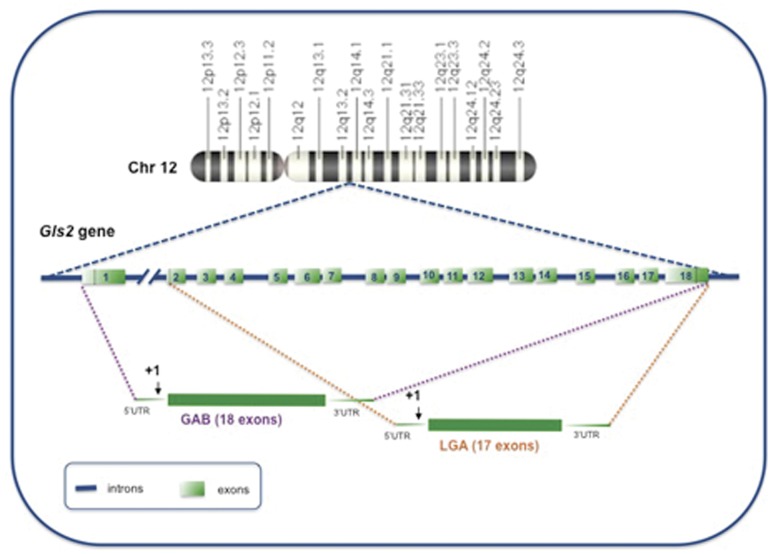
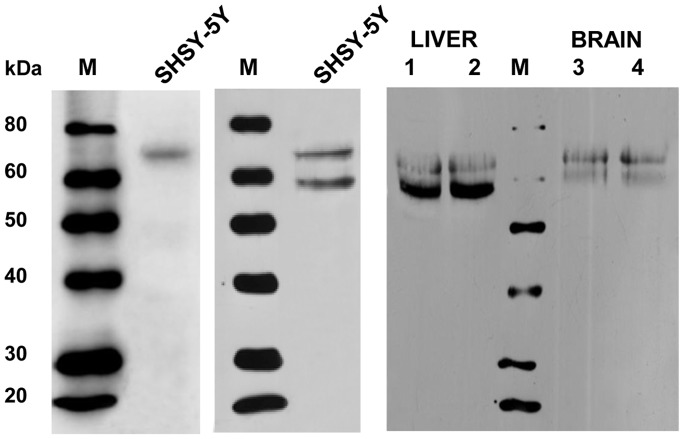
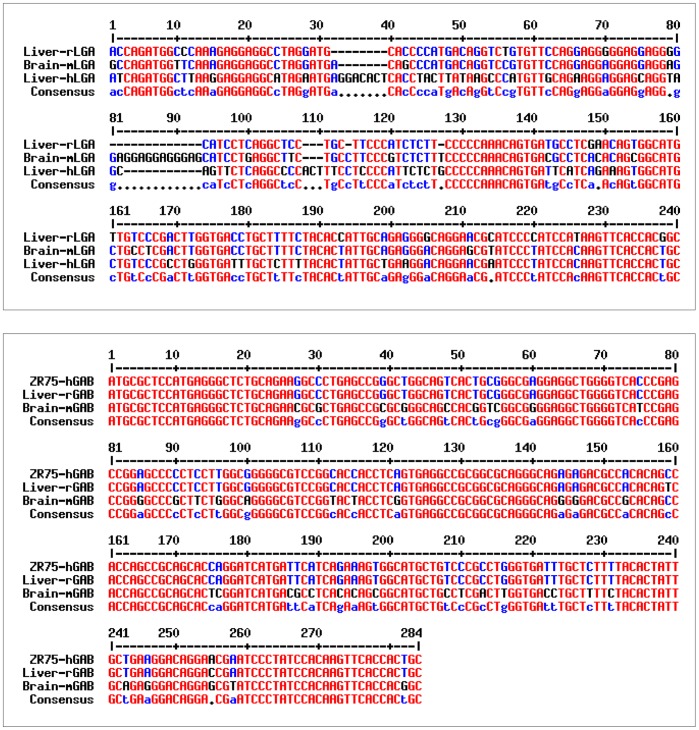
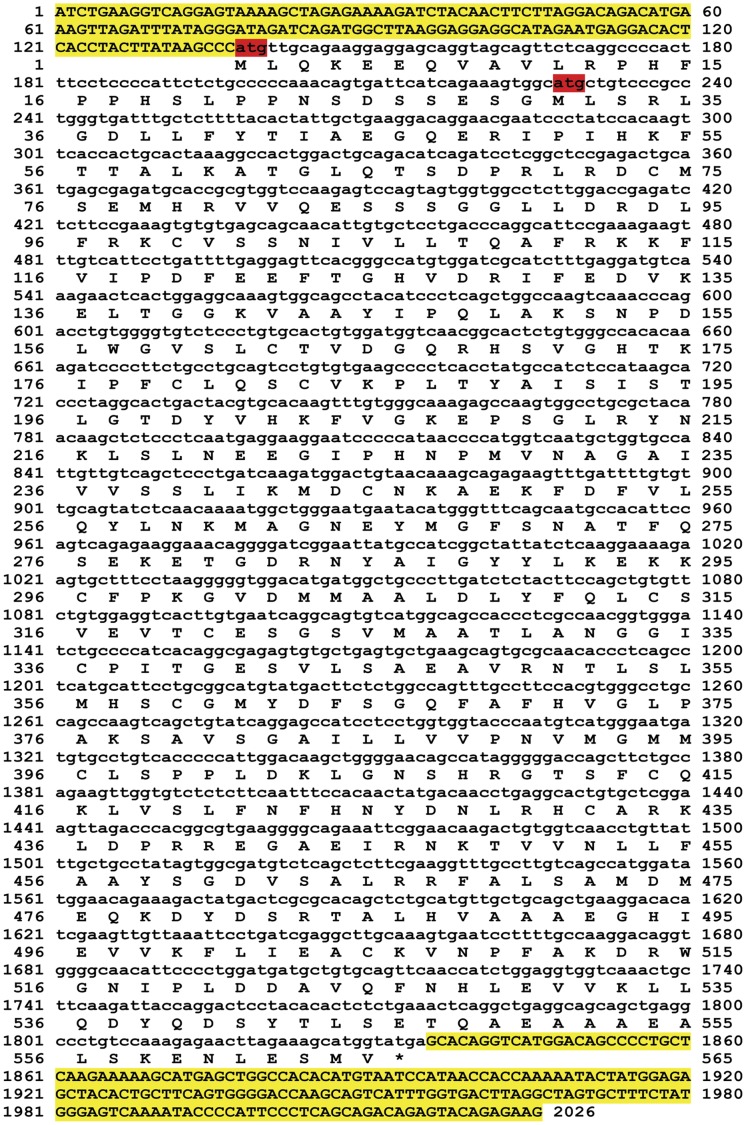
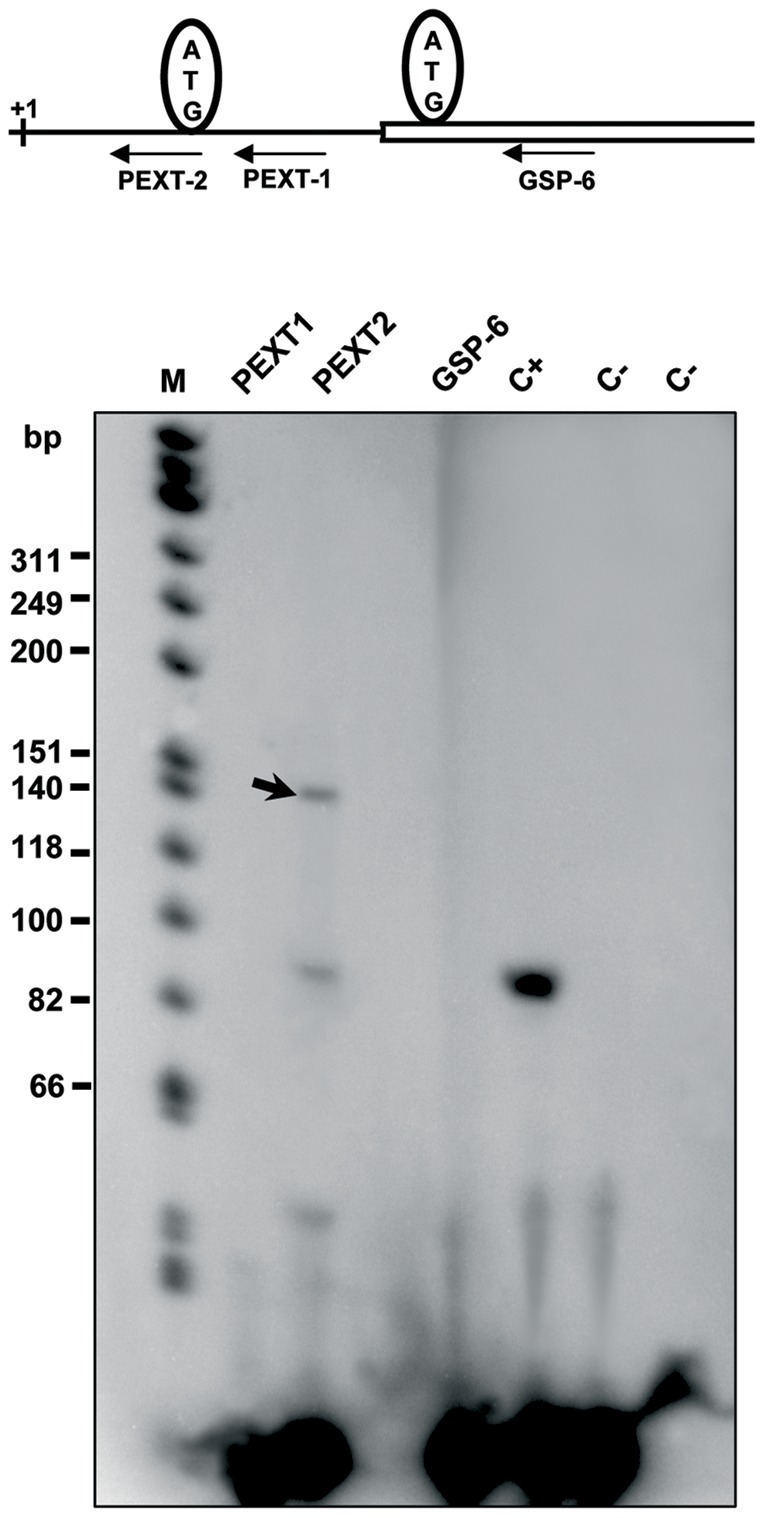
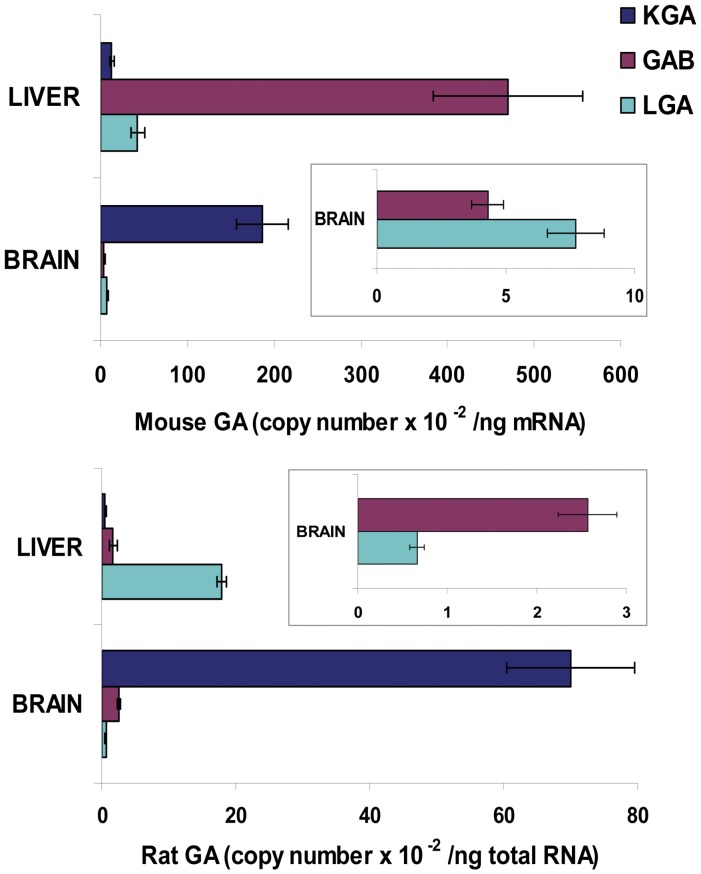
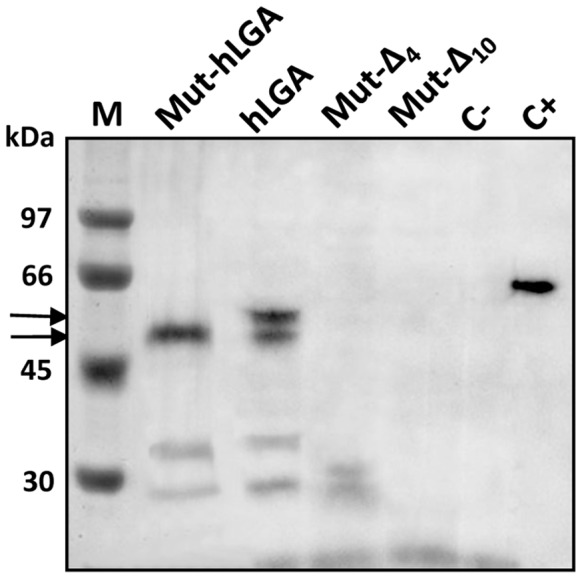
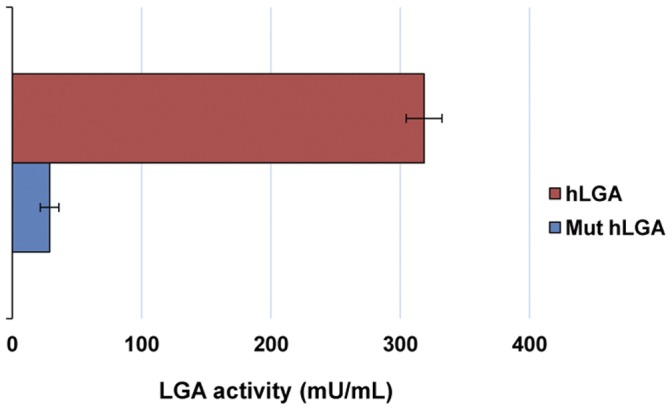
METHODOLOGY/PRINCIPAL FINDINGS: We demonstrate for the first time simultaneous expression of two transcript variants from the Gls2 gene in human, rat and mouse. A combination of RT-PCR, primer-extension analysis, bioinformatics, real-time PCR, in vitro transcription and translation and immunoblot analysis was applied to investigate GLS2 transcripts in mammalian tissues. Short (LGA) and long (GAB) transcript forms were isolated in brain and liver tissue of human, rat and mouse. The short LGA transcript arises by a combination of two mechanisms of transcriptional modulation: alternative transcription initiation and alternative promoter. The LGA variant contains both the transcription start site (TSS) and the alternative promoter in the first intron of the Gls2 gene. The full human LGA transcript has two in-frame ATGs in the first exon, which are missing in orthologous rat and mouse transcripts. In vitro transcription and translation of human LGA yielded two polypeptides of the predicted size, but only the canonical full-length protein displayed catalytic activity. Relative abundance of GAB and LGA transcripts showed marked variations depending on species and tissues analyzed.
CONCLUSIONS/SIGNIFICANCE: This is the first report demonstrating expression of alternative transcripts of the mammalian Gls2 gene. Transcriptional mechanisms giving rise to GLS2 variants and isolation of novel GLS2 transcripts in human, rat and mouse are presented. Results were also confirmed at the protein level, where catalytic activity was demonstrated for the human LGA protein. Relative abundance of GAB and LGA transcripts was species- and tissue-specific providing evidence of a differential regulation of GLS2 transcripts in mammals.
谷氨酰胺酶在大多数哺乳动物组织和癌细胞中均有表达,但其表达调控机制却鲜为人知。实现这一目标的关键步骤是对其物种和细胞特异性同工酶表达模式进行表征。我们的目的是鉴定并表征哺乳动物谷氨酰胺酶Gls2基因的转录变体。
方法/主要发现:我们首次证明了Gls2基因的两种转录变体在人、大鼠和小鼠中同时表达。运用逆转录聚合酶链反应(RT-PCR)、引物延伸分析、生物信息学、实时定量PCR、体外转录和翻译以及免疫印迹分析等方法,对哺乳动物组织中的GLS2转录本进行研究。在人、大鼠和小鼠的脑和肝组织中分离出了短(LGA)和长(GAB)转录本形式。短LGA转录本通过两种转录调控机制产生:选择性转录起始和选择性启动子。LGA变体包含Gls2基因第一个内含子中的转录起始位点(TSS)和选择性启动子。完整的人LGA转录本在第一个外显子中有两个读码框内的甲硫氨酸密码子(ATG),而在直系同源的大鼠和小鼠转录本中则缺失。人LGA的体外转录和翻译产生了两种预测大小的多肽,但只有典型的全长蛋白具有催化活性。GAB和LGA转录本的相对丰度因所分析的物种和组织不同而有显著差异。
结论/意义:这是首次报道哺乳动物Gls2基因可变转录本的表达情况。本文阐述了产生GLS2变体的转录机制以及在人、大鼠和小鼠中分离出新的GLS2转录本的过程。研究结果在蛋白质水平也得到了证实,即人LGA蛋白具有催化活性。GAB和LGA转录本的相对丰度具有物种和组织特异性,这为哺乳动物中GLS2转录本的差异调控提供了证据。