Department of Medicine and Webb-Waring Center, University of Colorado Denver, Aurora, Colorado, United States of America.
PLoS One. 2012;7(6):e38708. doi: 10.1371/journal.pone.0038708. Epub 2012 Jun 7.
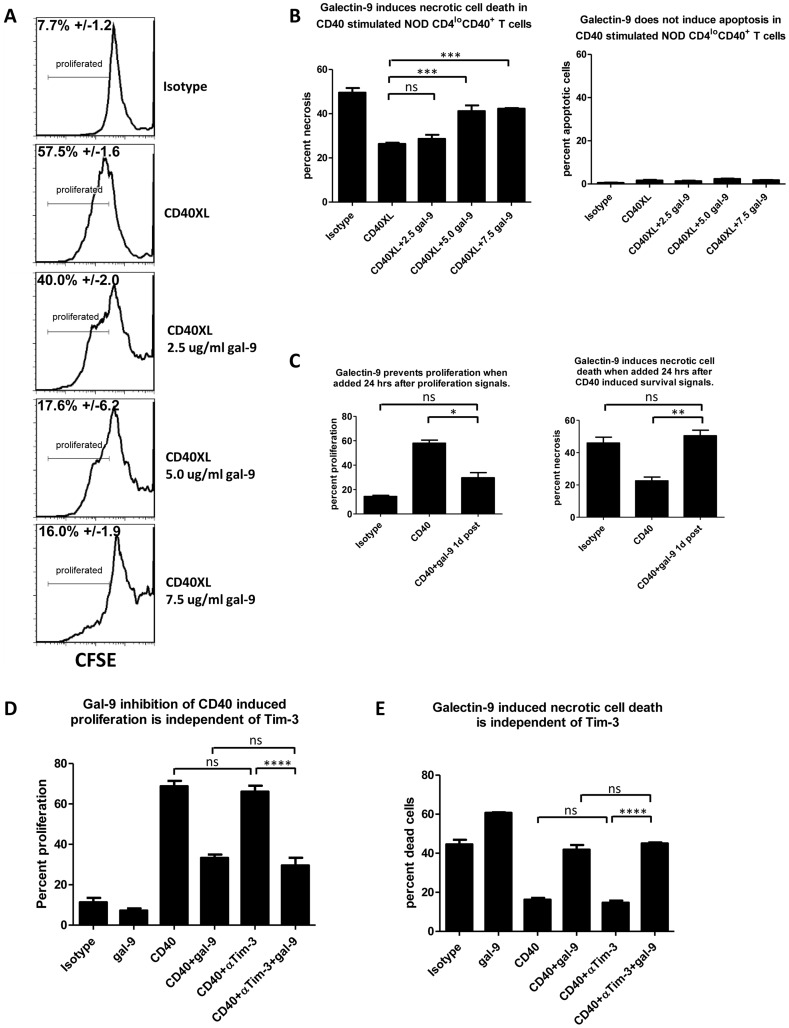
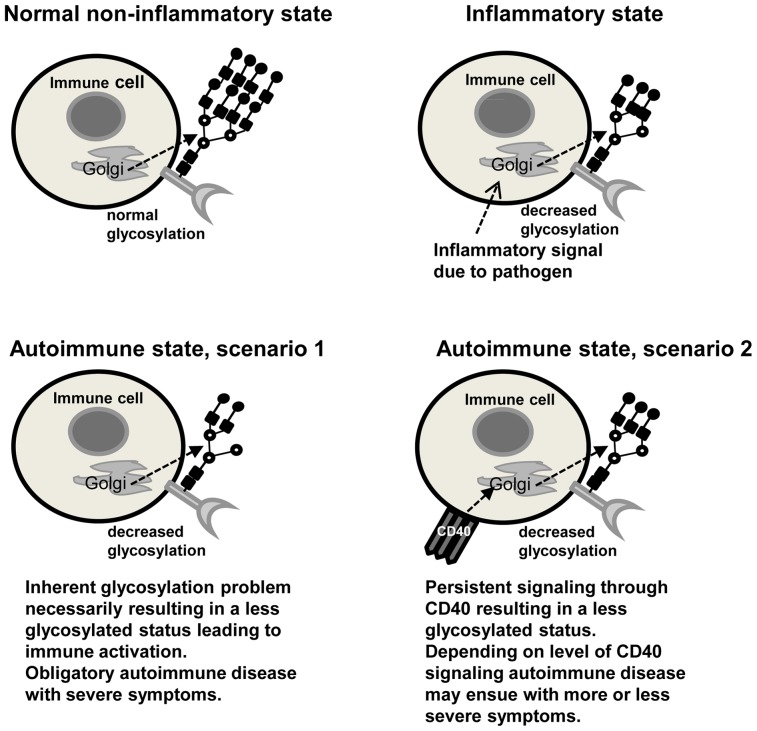
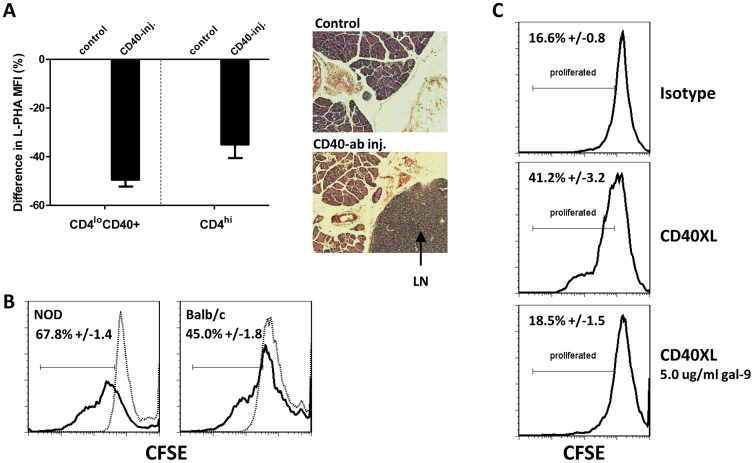
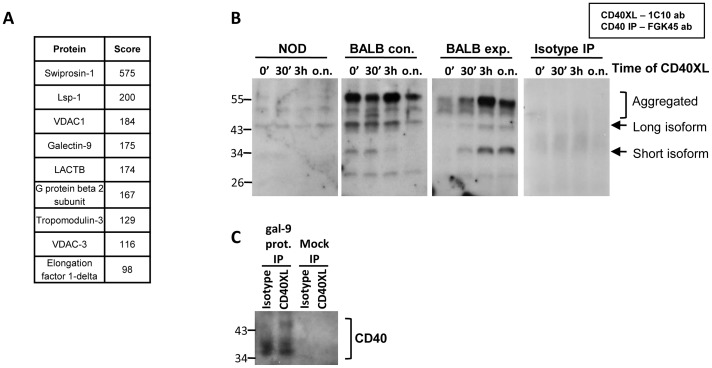
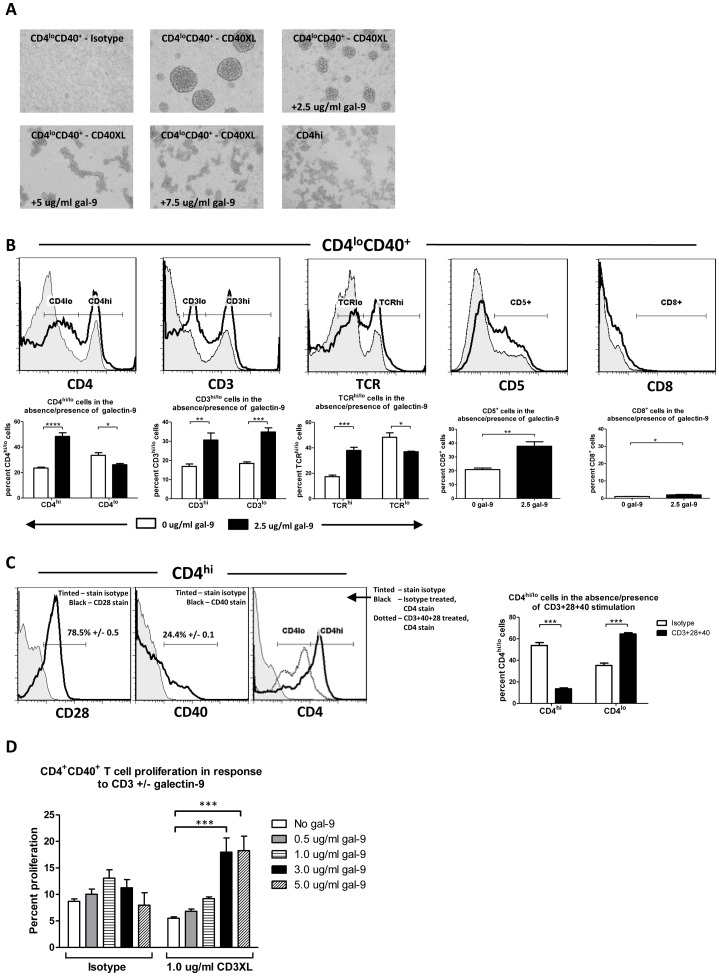
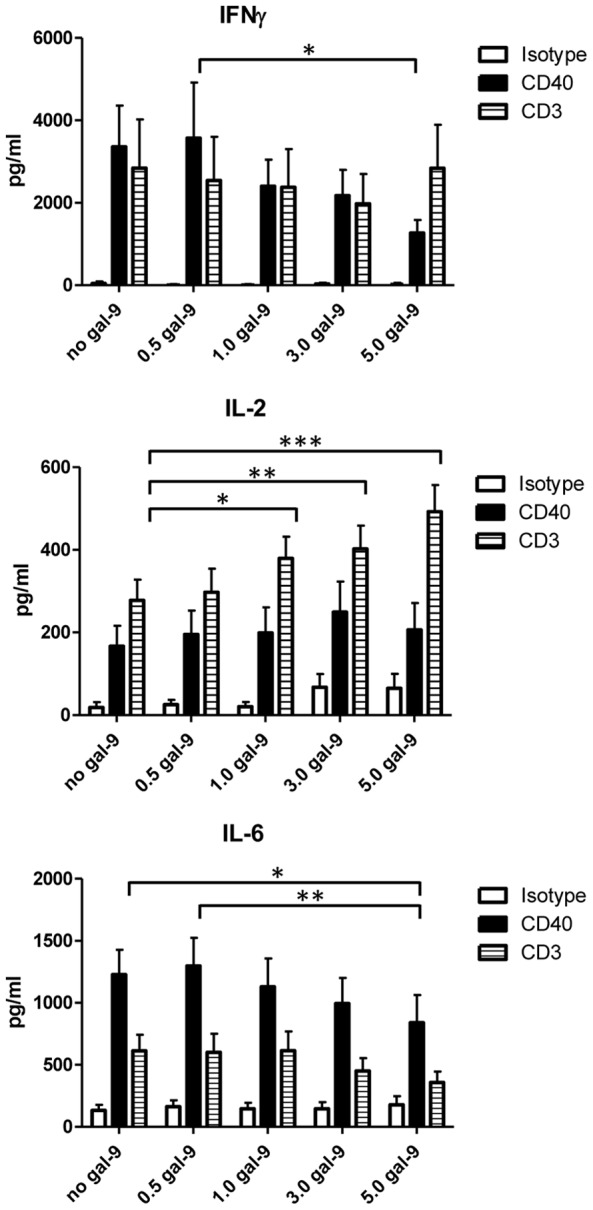
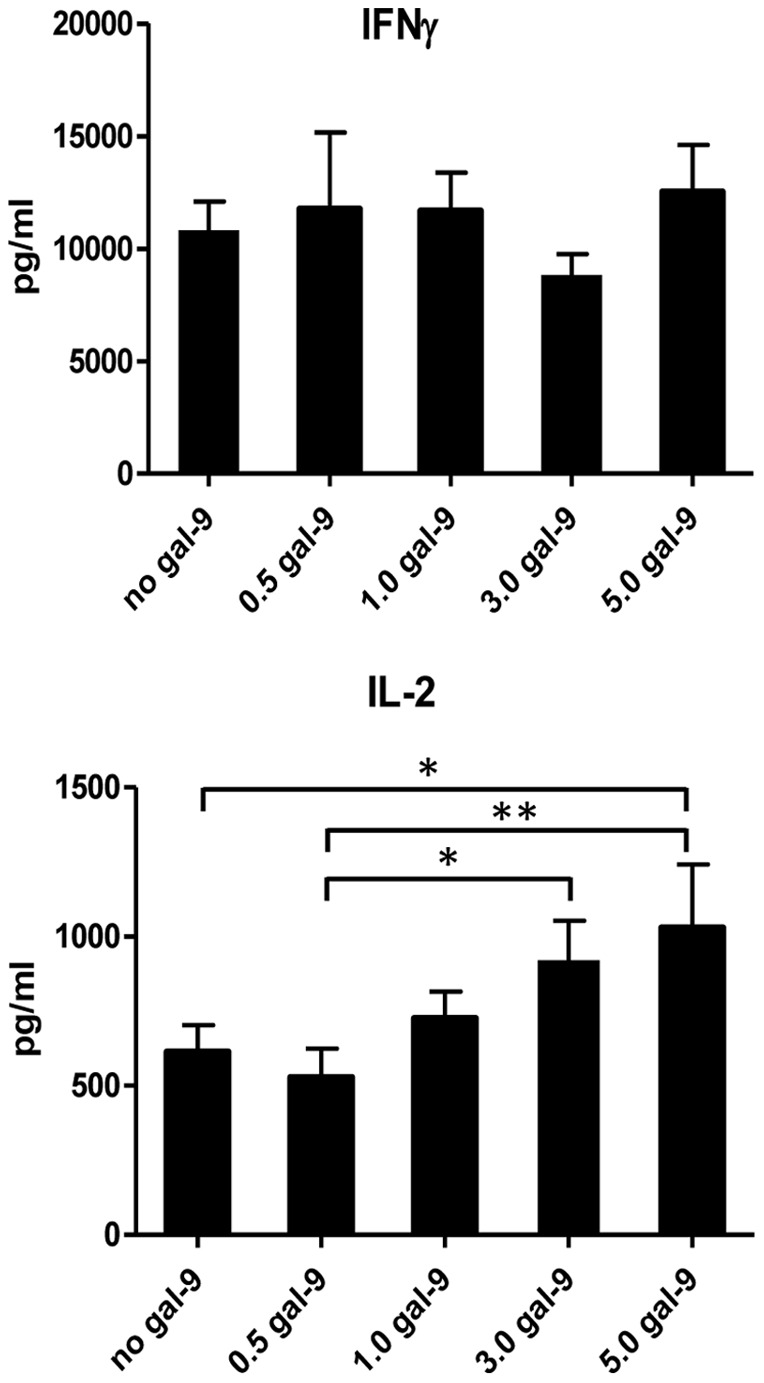
While it has long been understood that CD40 plays a critical role in the etiology of autoimmunity, glycobiology is emerging as an important contributor. CD40 signaling is also gaining further interest in transplantation and cancer therapies. Work on CD40 signaling has focused on signaling outcomes and blocking of its ligand, CD154, while little is known about the actual receptor itself and its control. We demonstrated that CD40 is in fact several receptors occurring as constellations of differentially glycosylated forms of the protein that can sometimes form hybrid receptors with other proteins. An enticing area of autoimmunity is differential glycosylation of immune molecules leading to altered signaling. Galectins interact with carbohydrates on proteins to effect such signaling alterations. Studying autoimmune prone NOD and non-autoimmune BALB/c mice, here we reveal that in-vivo CD40 signals alter the glycosylation status of non-autoimmune derived CD4 T cells to resemble that of autoimmune derived CD4 T cells. Galectin-9 interacts with CD40 and, at higher concentrations, prevents CD40 induced proliferative responses of CD4(lo)CD40(+) effector T cells and induces cell death through a Tim-3 independent mechanism. Interestingly, galectin-9, at lower concentrations, alters the surface expression of CD3, CD4, and TCR, regulating access to those molecules and thereby redirects the inflammatory cytokine phenotype and CD3 induced proliferation of autoimmune CD4(lo)CD40(+) T cells. Understanding the dynamics of the CD40 receptor(s) and the impact of glycosylation status in immunity will gain insight into how to maintain useful CD40 signals while shutting down detrimental ones.
虽然人们早就知道 CD40 在自身免疫的发病机制中起着关键作用,但糖生物学正成为一个重要的贡献因素。CD40 信号转导在移植和癌症治疗中也越来越受到关注。CD40 信号转导的研究集中在信号转导的结果和其配体 CD154 的阻断上,而对实际的受体本身及其控制知之甚少。我们证明 CD40 实际上是几种受体,它们以蛋白的差异糖基化形式的聚集体出现,有时与其他蛋白形成杂合受体。自身免疫中一个诱人的领域是免疫分子的差异糖基化导致信号转导改变。半乳糖凝集素与蛋白上的碳水化合物相互作用,从而影响这种信号改变。研究自身免疫倾向的 NOD 和非自身免疫的 BALB/c 小鼠,我们在这里揭示,体内 CD40 信号改变了非自身免疫衍生的 CD4 T 细胞的糖基化状态,使其类似于自身免疫衍生的 CD4 T 细胞。半乳糖凝集素-9 与 CD40 相互作用,在较高浓度时,可阻止 CD40 诱导的 CD4(lo)CD40(+)效应 T 细胞的增殖反应,并通过 Tim-3 非依赖性机制诱导细胞死亡。有趣的是,较低浓度的半乳糖凝集素-9 改变了 CD3、CD4 和 TCR 的表面表达,调节了对这些分子的访问,从而重新定向了炎症细胞因子表型和 CD3 诱导的自身免疫 CD4(lo)CD40(+)T 细胞的增殖。了解 CD40 受体的动态和糖基化状态对免疫的影响将有助于深入了解如何在关闭有害信号的同时保持有用的 CD40 信号。