Department of Basic Sciences, Medicine School of Tunis, University Tunis El Manar, Tunis.
J Asthma Allergy. 2012;5:11-9. doi: 10.2147/JAA.S29566. Epub 2012 May 9.
Vitamin D exerts profound effects on both adaptive and innate immune functions involved in the development and course of autoimmune and inflammatory diseases. As the incidence of vitamin D insufficiency is surprisingly high in the general population, experimental studies have started to investigate whether vitamin D levels (measured as serum 25 hydroxy vitamin D-25[OH]D) are correlated with immune cells and clinical parameters.
The aim of the present research was to investigate serum vitamin D status in a case-control study in children with asthma and to study associations between vitamin D levels and certain immunological parameters.
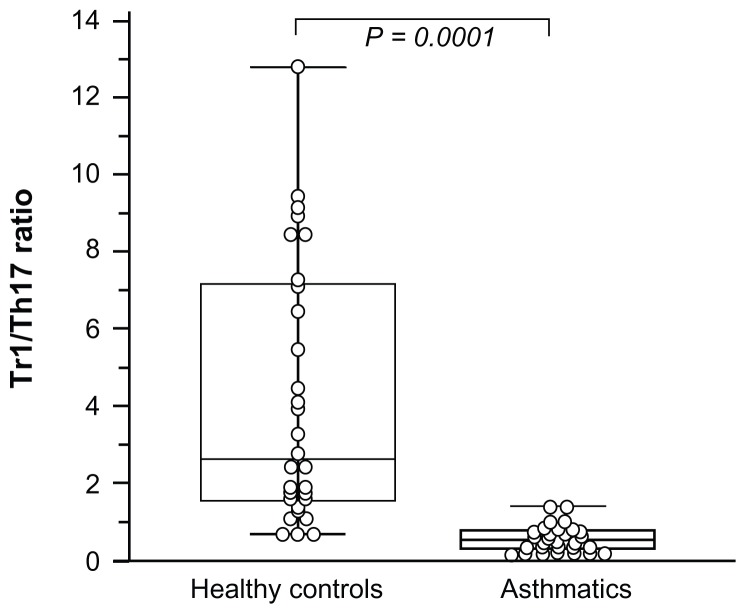
A case control study of thirty-nine children with clinically controlled asthma was enrolled to assess the relationship between serum vitamin D concentrations and disease activity. Vitamin D was assayed with a radioimmunoassay kit. We evaluated the relationship between vitamin D concentrations and forced vital capacity (FVC), forced expiratory volume in 1 second (FEV(1)), and the FEV(1)/FVC ratio. Correlations between inflammatory mediators, Th1, Th2, Th17, and regulatory T cells (Treg) and vitamin D were investigated.
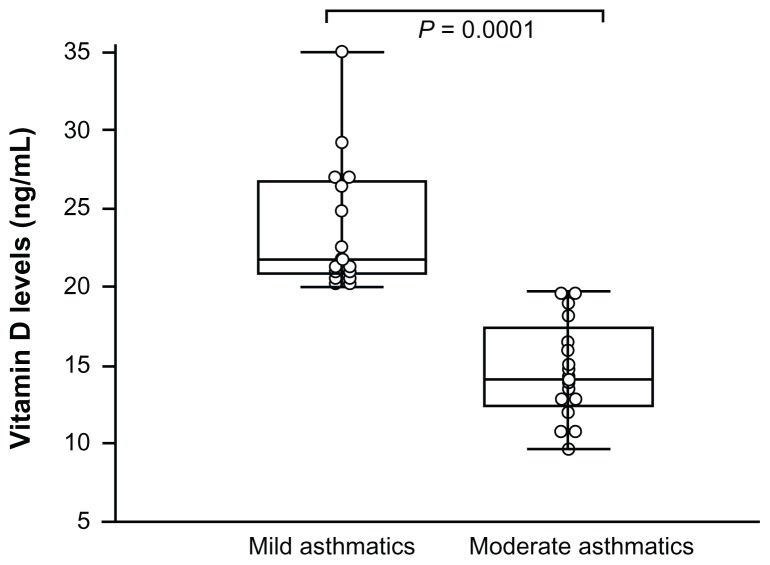
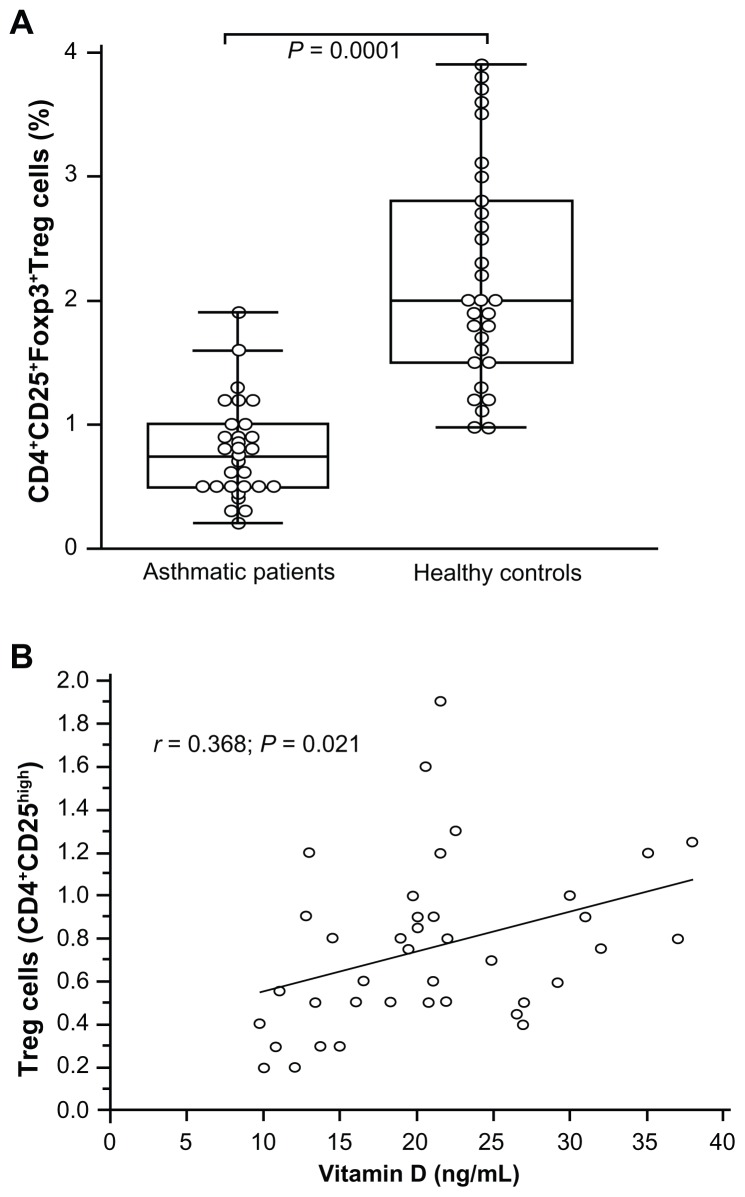
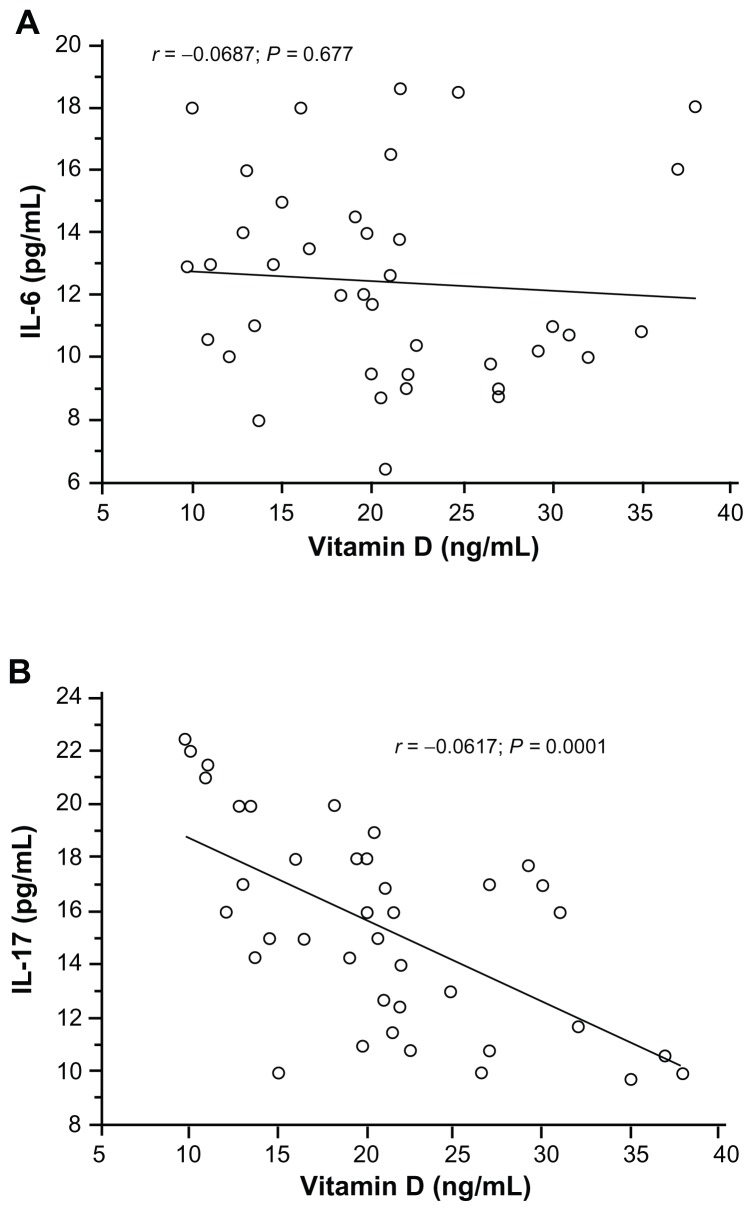
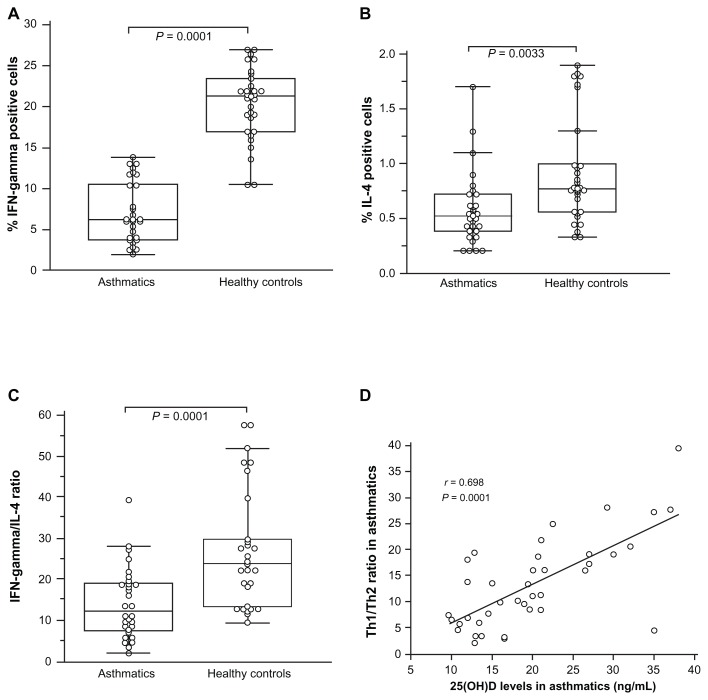
Only 15.38% of our asthmatic children had a sufficient serum 25(OH)D (≥30 ng/mL) whereas 80% of healthy children expressed sufficient levels. Deficient values of vitamin D (<20 ng/mL) were observed in 17 (43.59%) asthmatic patients (14.40 ± 3.30 ng/mL; P = 0.0001). Deficiency was not observed in controls. Th1/Th2 ratio was significantly correlated to 25(OH) D level (r = 0.698; P = 0.0001). A significant negative correlation was observed between serum interleukin-17 and vitamin D levels in young asthmatics (r = -0.617; P = 0.001). A significant correlation was observed between CD25(+)Foxp3(+) Treg cells and vitamin D values in asthmatics (r = 0.368; P = 0.021).
Even in a southern Mediterranean country, hypovitaminosis D is frequent in children with asthma. Our findings suggest that vitamin D is an important promoter of T cell regulation in vivo in young asthmatics.
维生素 D 对参与自身免疫和炎症性疾病发展和进程的适应性和固有免疫功能有深远影响。由于普通人群中维生素 D 不足的发生率惊人地高,因此实验研究已开始研究维生素 D 水平(以血清 25 羟基维生素 D-25[OH]D 来衡量)是否与免疫细胞和临床参数相关。
本研究旨在通过病例对照研究调查儿童哮喘患者的血清维生素 D 状况,并研究维生素 D 水平与某些免疫参数之间的关系。
招募了 39 例临床控制良好的哮喘患儿进行病例对照研究,以评估血清维生素 D 浓度与疾病活动之间的关系。使用放射免疫试剂盒测定维生素 D。我们评估了维生素 D 浓度与用力肺活量(FVC)、第 1 秒用力呼气量(FEV(1))和 FEV(1)/FVC 比值之间的关系。研究了炎症介质、Th1、Th2、Th17 和调节性 T 细胞(Treg)与维生素 D 之间的相关性。
仅有 15.38%的哮喘儿童血清 25(OH)D(≥30ng/ml)充足,而 80%的健康儿童血清 25(OH)D 充足。17 例(43.59%)哮喘患儿维生素 D 缺乏(<20ng/ml)(14.40±3.30ng/ml;P=0.0001)。对照组未见维生素 D 缺乏。Th1/Th2 比值与 25(OH)D 水平显著相关(r=0.698;P=0.0001)。在年轻哮喘患者中,血清白细胞介素-17 与维生素 D 水平呈显著负相关(r=-0.617;P=0.001)。哮喘患者 CD25(+)Foxp3(+)Treg 细胞与维生素 D 值呈显著相关(r=0.368;P=0.021)。
即使在南地中海国家,儿童哮喘患者也普遍存在维生素 D 缺乏症。我们的研究结果表明,维生素 D 是年轻哮喘患者体内 T 细胞调节的重要促进剂。