Laboratory for Epithelial Immunobiology, Research Center for Allergy and Immunology, The Institute of Physical and Chemical Research (RIKEN), Kanagawa, Japan.
Nat Immunol. 2012 Jun 17;13(8):729-36. doi: 10.1038/ni.2352.
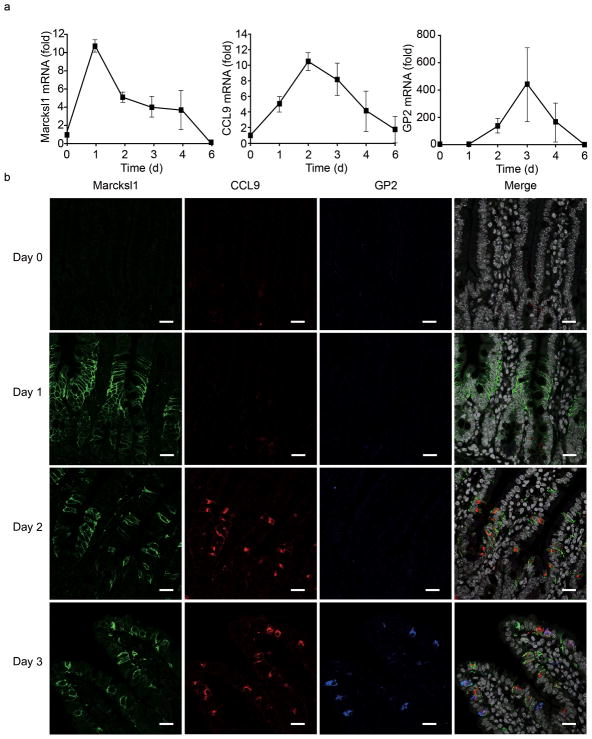
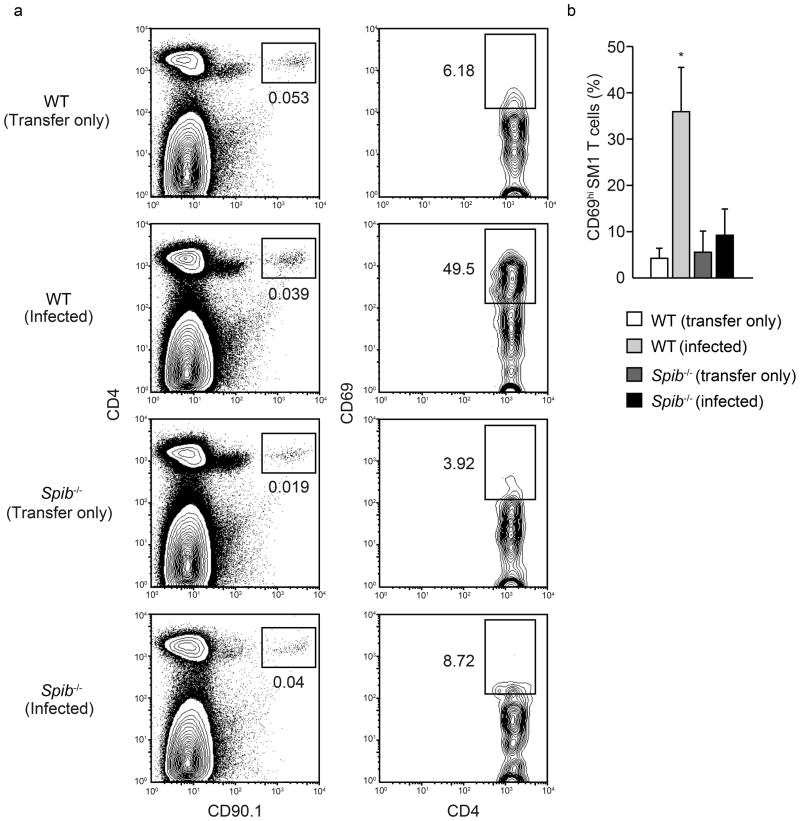
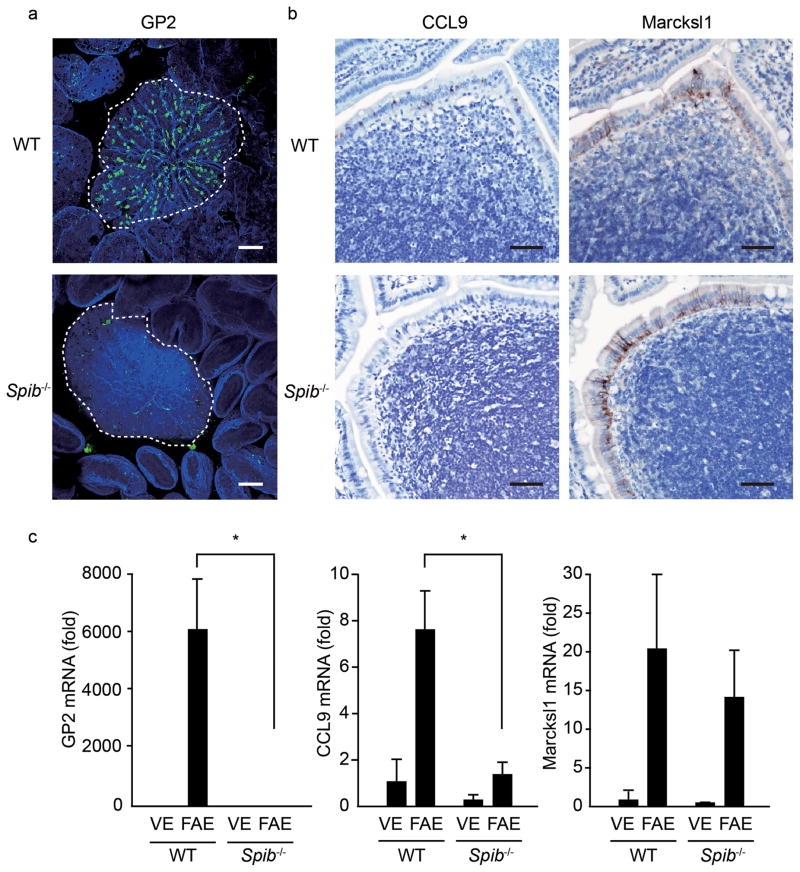
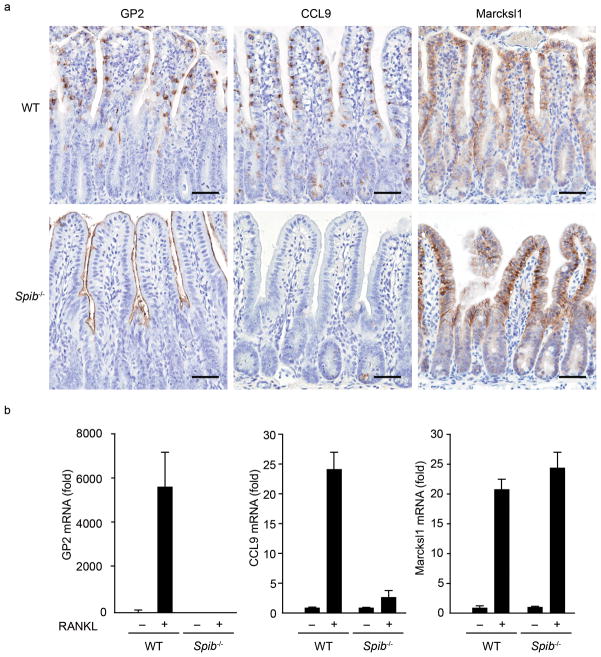
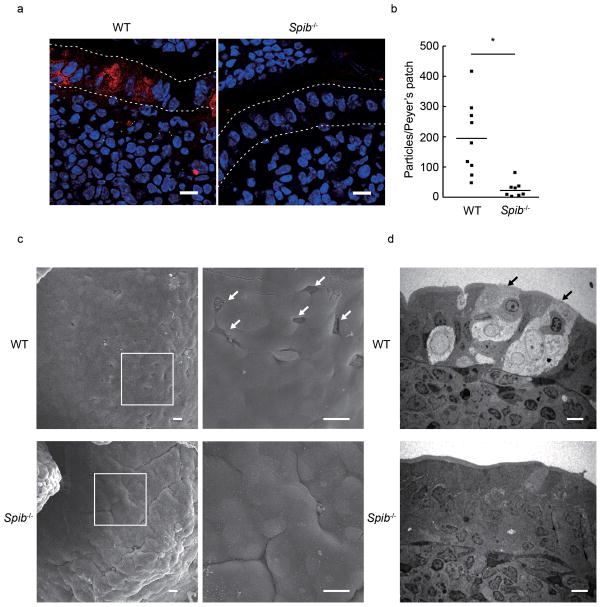
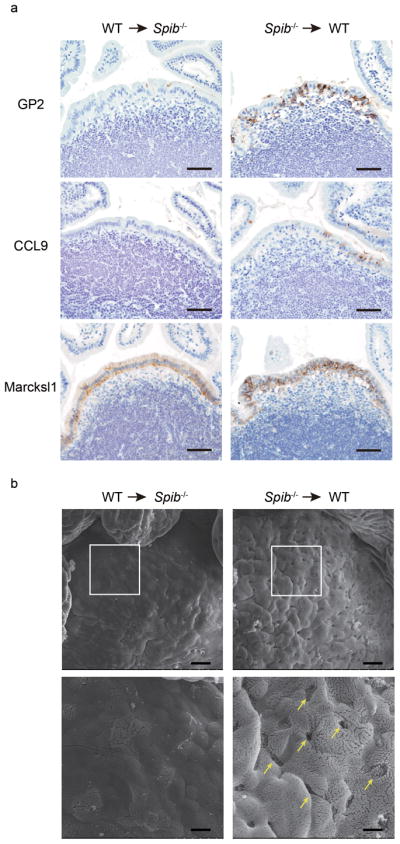
Intestinal microfold cells (M cells) are an enigmatic lineage of intestinal epithelial cells that initiate mucosal immune responses through the uptake and transcytosis of luminal antigens. The mechanisms of M-cell differentiation are poorly understood, as the rarity of these cells has hampered analysis. Exogenous administration of the cytokine RANKL can synchronously activate M-cell differentiation in mice. Here we show the Ets transcription factor Spi-B was induced early during M-cell differentiation. Absence of Spi-B silenced the expression of various M-cell markers and prevented the differentiation of M cells in mice. The activation of T cells via an oral route was substantially impaired in the intestine of Spi-B-deficient (Spib(-/-)) mice. Our study demonstrates that commitment to the intestinal M-cell lineage requires Spi-B as a candidate master regulator.
肠上皮内陷细胞(M 细胞)是一类神秘的肠上皮细胞谱系,通过摄取和转胞运输腔内抗原启动黏膜免疫反应。M 细胞分化的机制尚不清楚,因为这些细胞的稀有性阻碍了分析。细胞因子 RANKL 的外源性给予可以在小鼠中同步激活 M 细胞分化。本文显示 Ets 转录因子 Spi-B 在 M 细胞分化早期被诱导。Spi-B 的缺失沉默了各种 M 细胞标记物的表达,并阻止了小鼠中 M 细胞的分化。通过口服途径激活 T 细胞在 Spi-B 缺陷(Spib(-/-))小鼠的肠道中受到严重损害。我们的研究表明,肠道 M 细胞谱系的定向分化需要 Spi-B 作为候选主调控因子。